
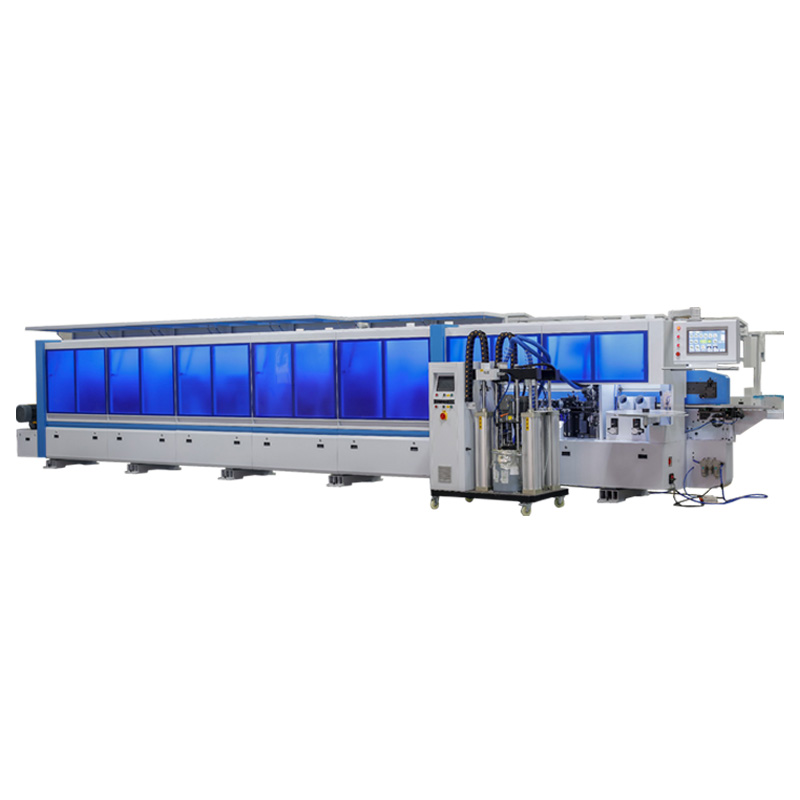
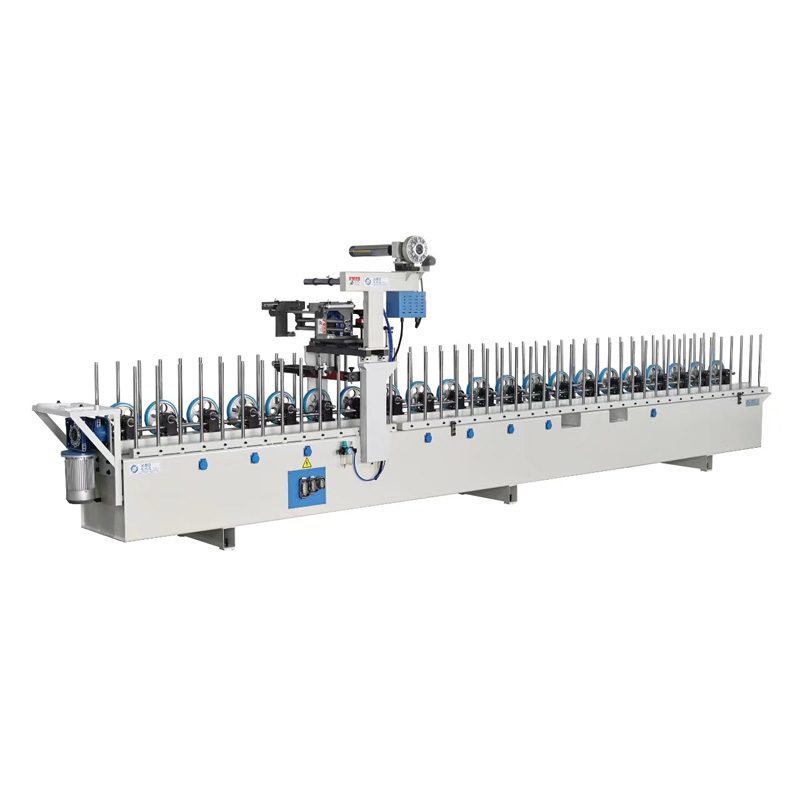
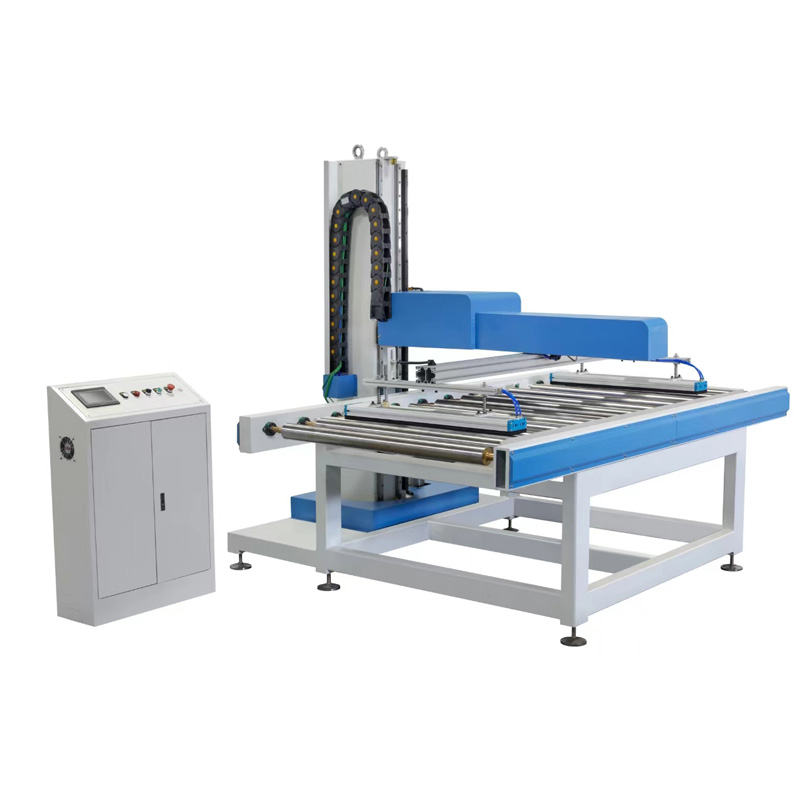
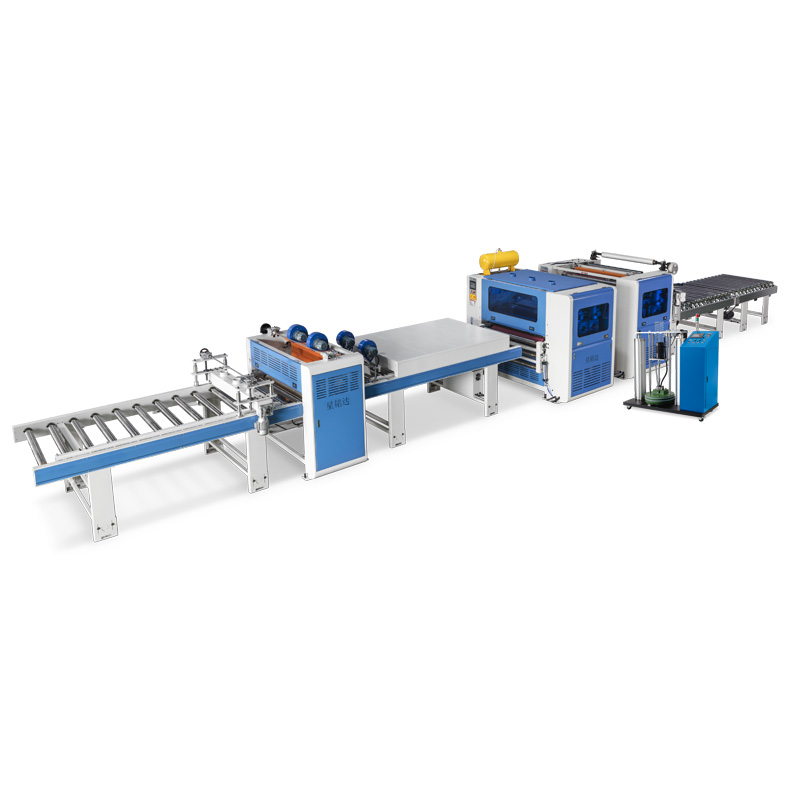
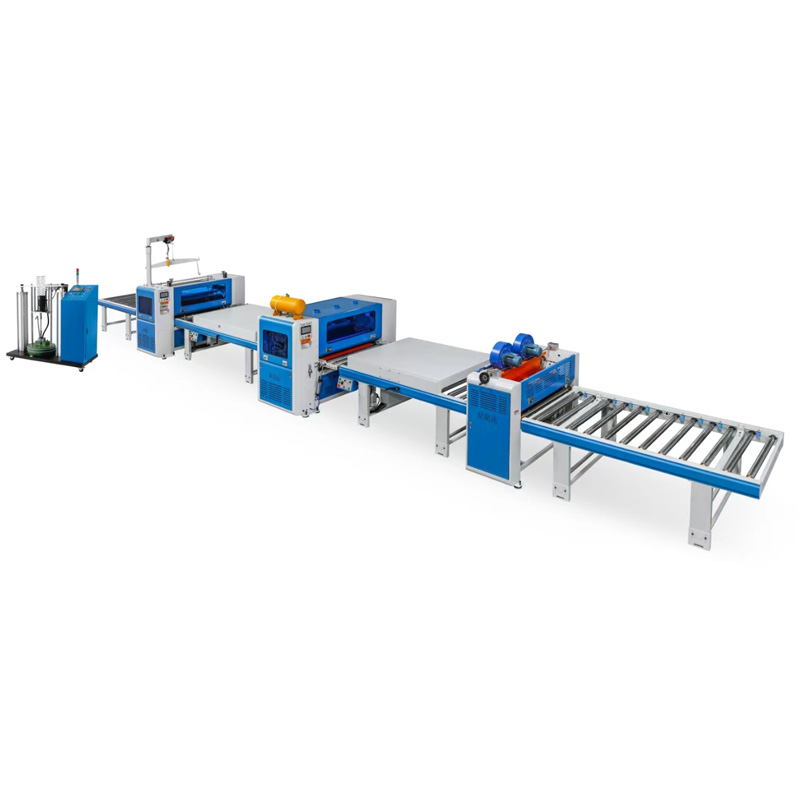
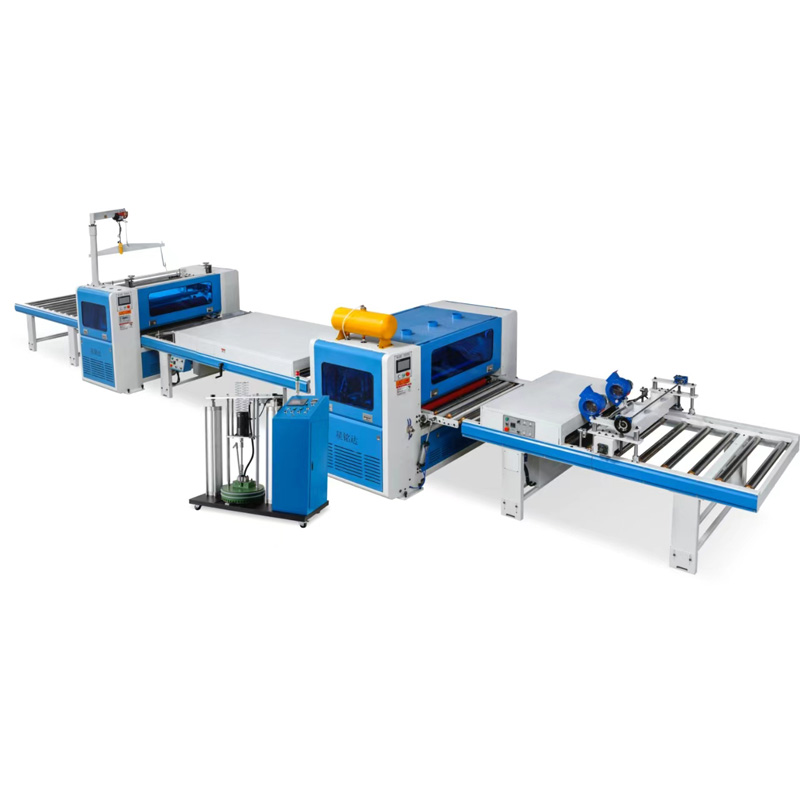
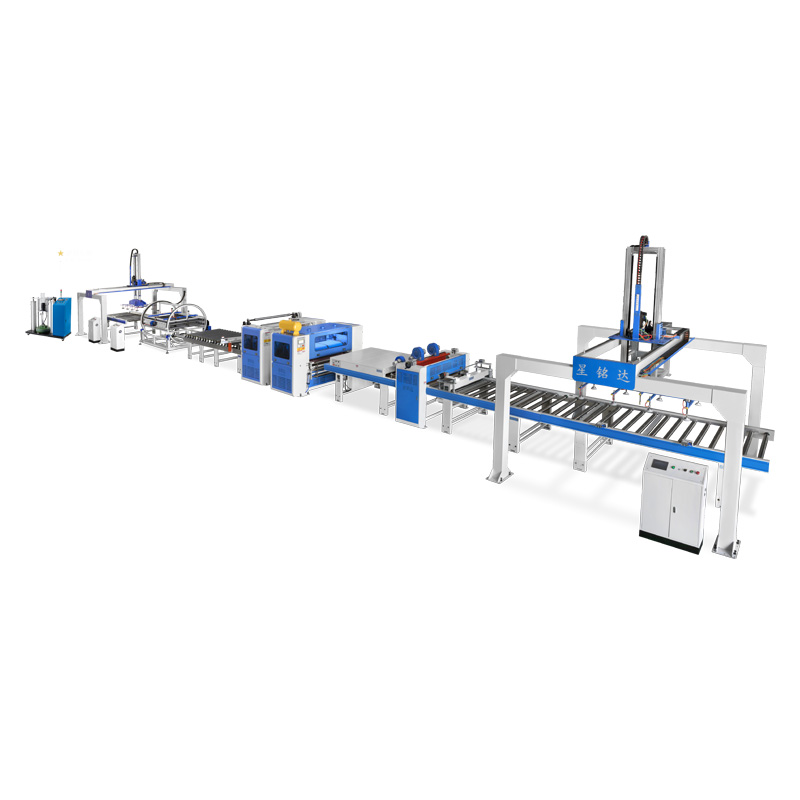
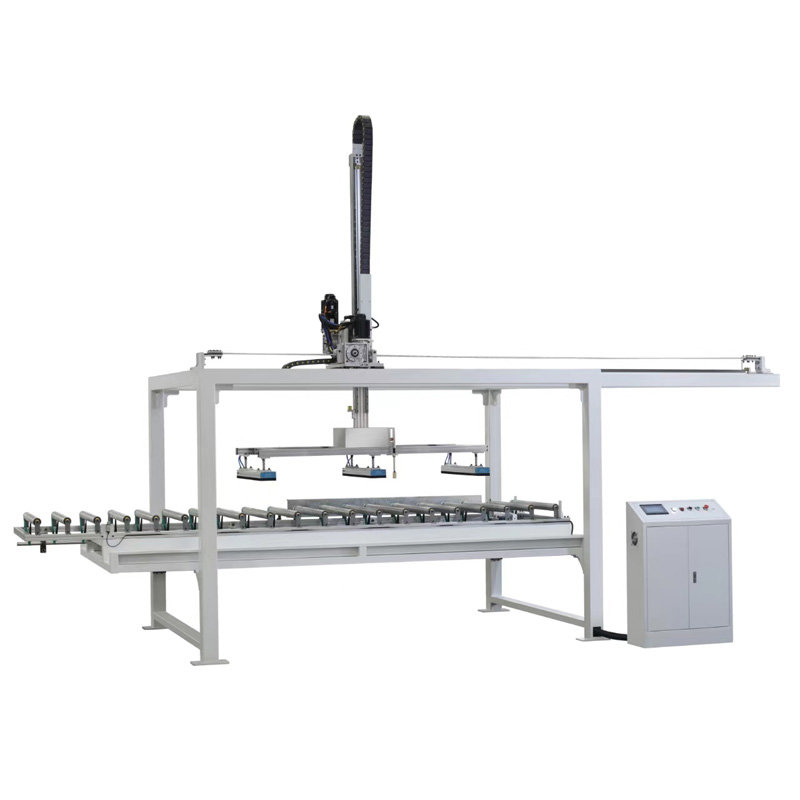
Introduction to the Flat Bed Composite Machine
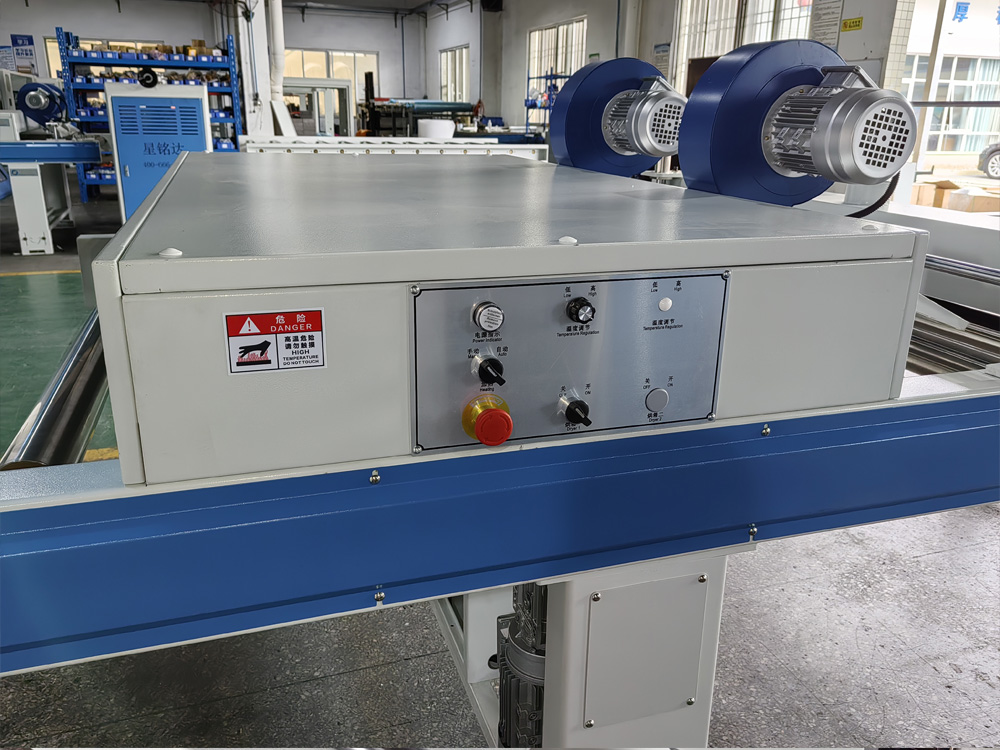
The hot melt adhesive flatbed laminating machine, also known as the double-belt lamination machine, flatbed laminator, or flatbed bonding machine, primarily consists of heating, pressure, and cooling zones. It features two heat-resistant, anti-stick conveyor belts for continuous transportation, enabling the entire hot dry lamination process to be completed within the equipment.
Historical development of flat laminating machines
Originating from Europe in the mid-20th century, after 80 years of development, this process is now very common in Europe and America. Dry composite technology was introduced to China in the 1980s, but some high-precision composite equipment suppliers are still mainly based in Europe, such as the United Kingdom and Germany.
The purpose of laminating machine
Initially, this type of equipment was mainly used in the textile and clothing industry. With the increasing application of hot melt adhesive film, the application of flat bed laminating machines has now expanded to multiple industries such as automotive interior and exterior, high-performance materials, aerospace, military, and home decoration. Traditional techniques such as glue composite, flame composite, and rubber powder composite are gradually being replaced by flat bed composite due to various defects in their manufacturing processes.
Advantages of Flat Bed Composite Machine
Environmental protection, high efficiency
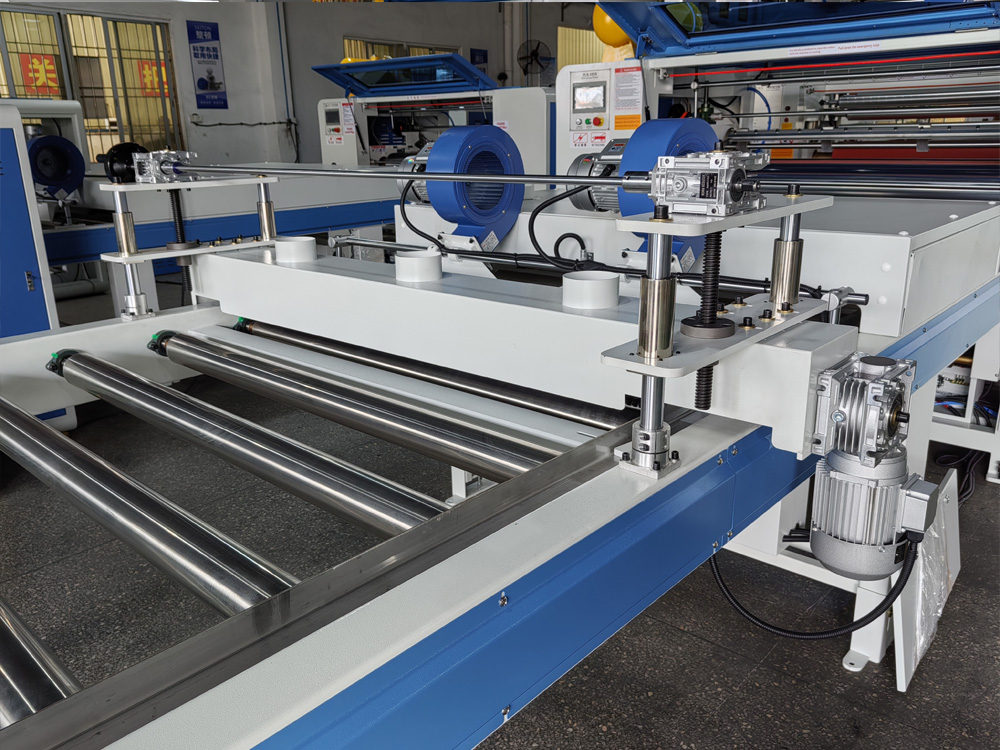
The outstanding advantage of this type of laminating machine is the continuous completion of the entire process of film lamination inside the equipment: after the substrate and film are fed into the equipment, they are continuously heated in the heating zone. Within a certain period of time, the hot melt film in the interlayer of the substrate is heated and melted, producing adhesive force on the upper and lower substrates. With appropriate pressure assistance, the melted gel unfolds and penetrates at the contact surface of the substrate, and then in the cooling zone, the gel is re solidified, forming a peeling force between the upper and lower substrates. The entire composite process is fast, reliable, solvent-free, and has extremely low environmental impact. At the same time, the material is made of continuous composite, which greatly improves work efficiency and reduces the workload and technical requirements of operators. Compared to traditional water-based or powder adhesives, hot melt adhesive films have no added solvents and a very low VOC content.
Save materials, do not waste
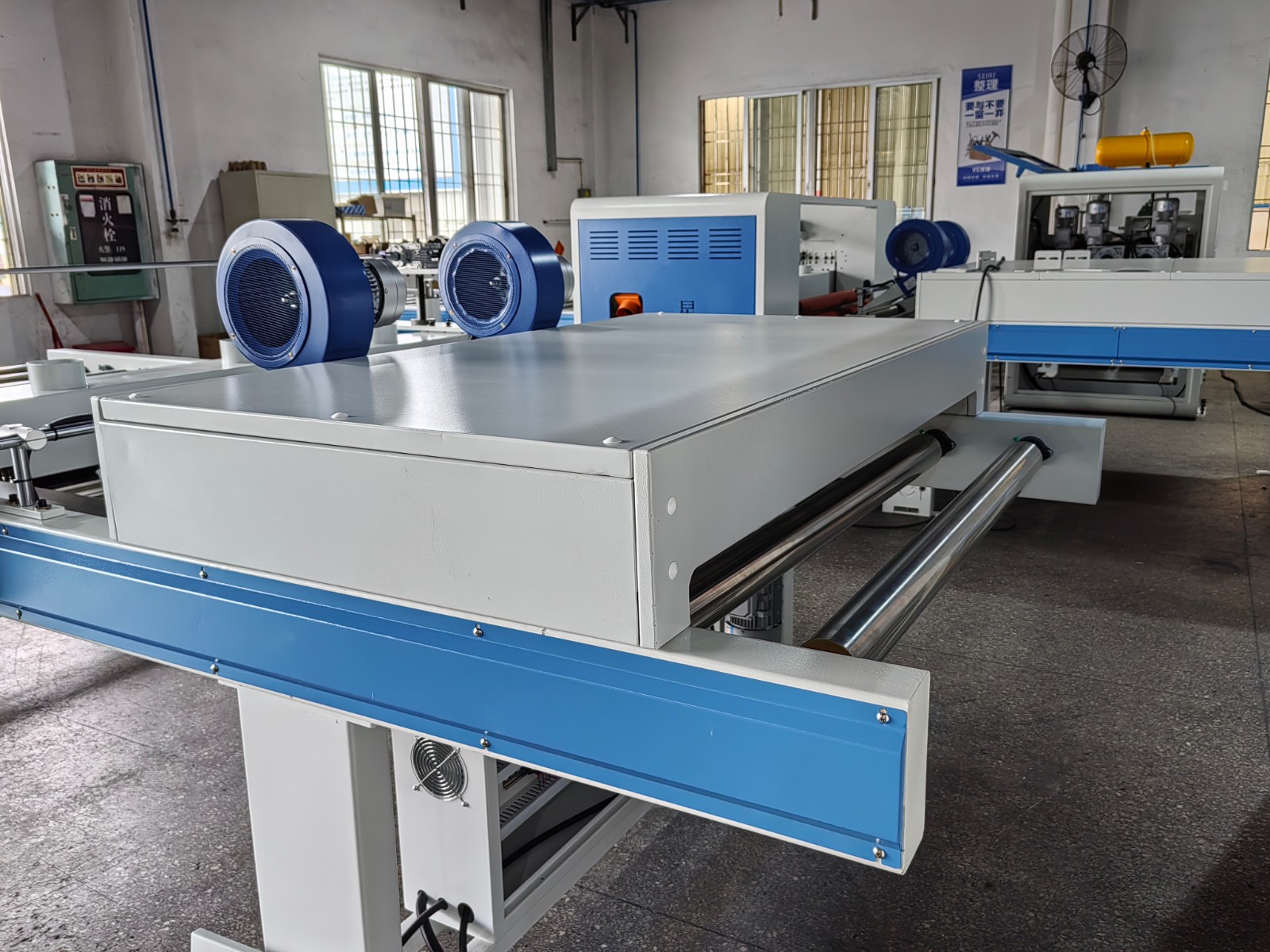
The material of the flat panel laminating machine is usually a roll, and the width of the substrate material and the hot melt adhesive film is the same. After bonding, the material can be cut, and the roll laminating process ensures the maximum area of use for various substrates. In addition, the number and length of bonding can be adjusted at any time, and after the machine stops, the non bonded material can be reused.
Save costs and reduce the workload of workers
The start-up time of composite equipment is fast, and workers can quickly enter the operation mode. After the composite process is officially started, workers only need to supervise or make small adjustments on the production line. Greatly reducing the workload of workers. In addition, after the equipment is running, there is no need for extensive cleaning work.
Why Hot Melt Adhesive Film Flat Bed Composite is the Future Trend of Composite
Problems and Solutions of Existing Composite Processes
At present, in addition to hot melt adhesive film composite, there are also solvent adhesive composite, water-based adhesive composite, flame fusion composite, and reactive polyurethane adhesive (PUR) composite in the domestic market. Among these methods, solvent adhesive and flame fusion produce toxic and harmful substances during operation, and the substances will remain inside the material for a long time, causing odor residue problems that are difficult to eliminate. Although water-based adhesives and reactive polyurethane adhesives have made significant progress in odor, water-based adhesives require large-scale equipment to dry and remove moisture from the gum after compounding, resulting in energy waste and the generation of new emissions of water vapor. Reactive hot melt adhesives require a constant temperature and humidity space for several hours after compounding, in order for the glue to complete curing and form peeling force, which is difficult to meet the rapid response needs of enterprises. Meanwhile, daily cleaning and maintenance of equipment also takes up a significant amount of time and energy for the enterprise
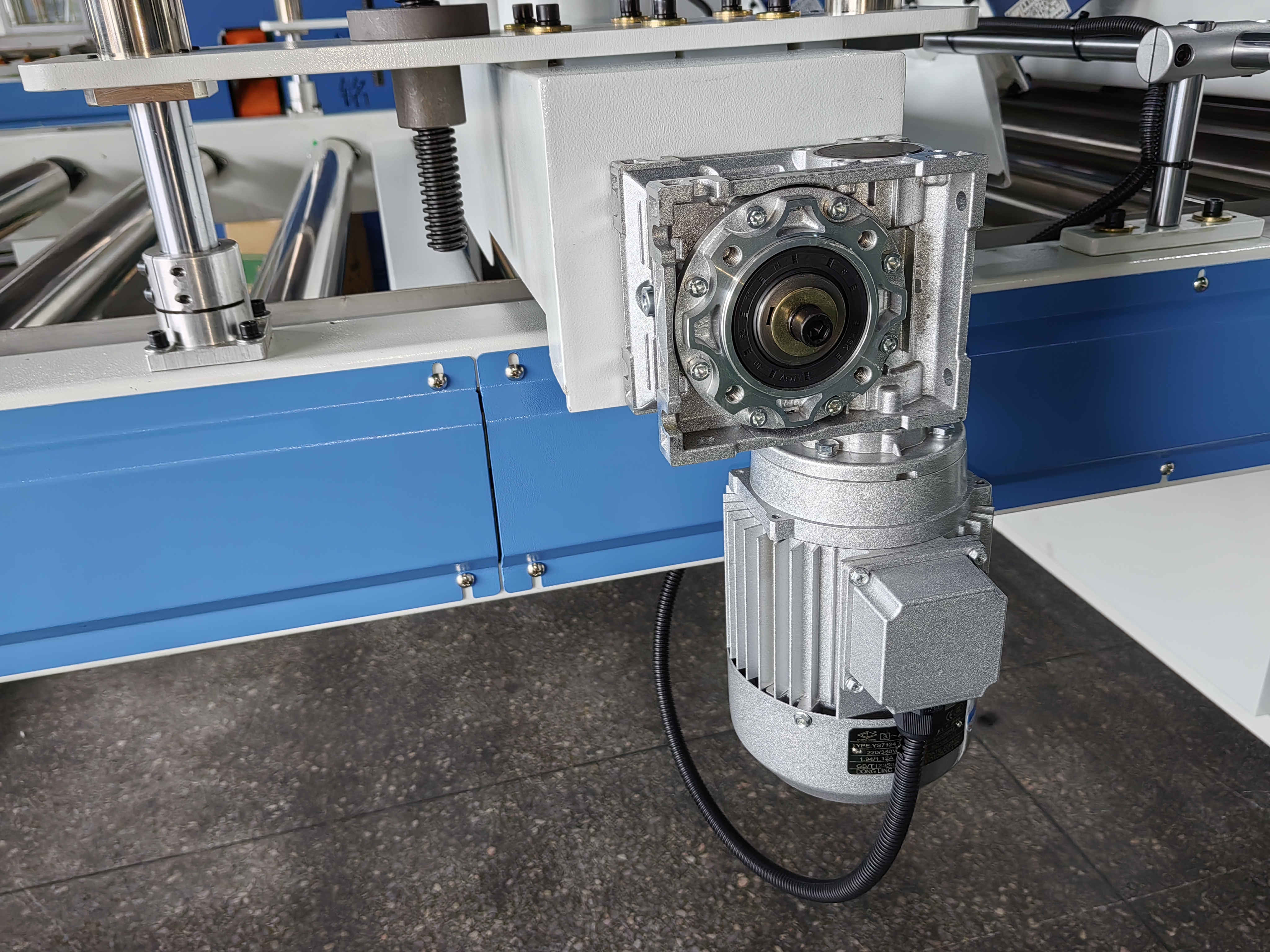
In contrast, using hot melt adhesive film for flat bed composite does not require solvents, has no odor or emission issues, and the material is completed inside the equipment for composite. After cooling, the material forms a peeling force and does not require standing time. The cleaning of equipment after daily work is simple and convenient, without the need for tedious operation and management. While emphasizing environmental performance, it helps enterprises save a lot of labor and material costs. At the same time, enterprises can quickly replace different types and widths of hot melt adhesive films according to material needs, greatly enhancing their ability to quickly respond to market demand and improving their competitiveness
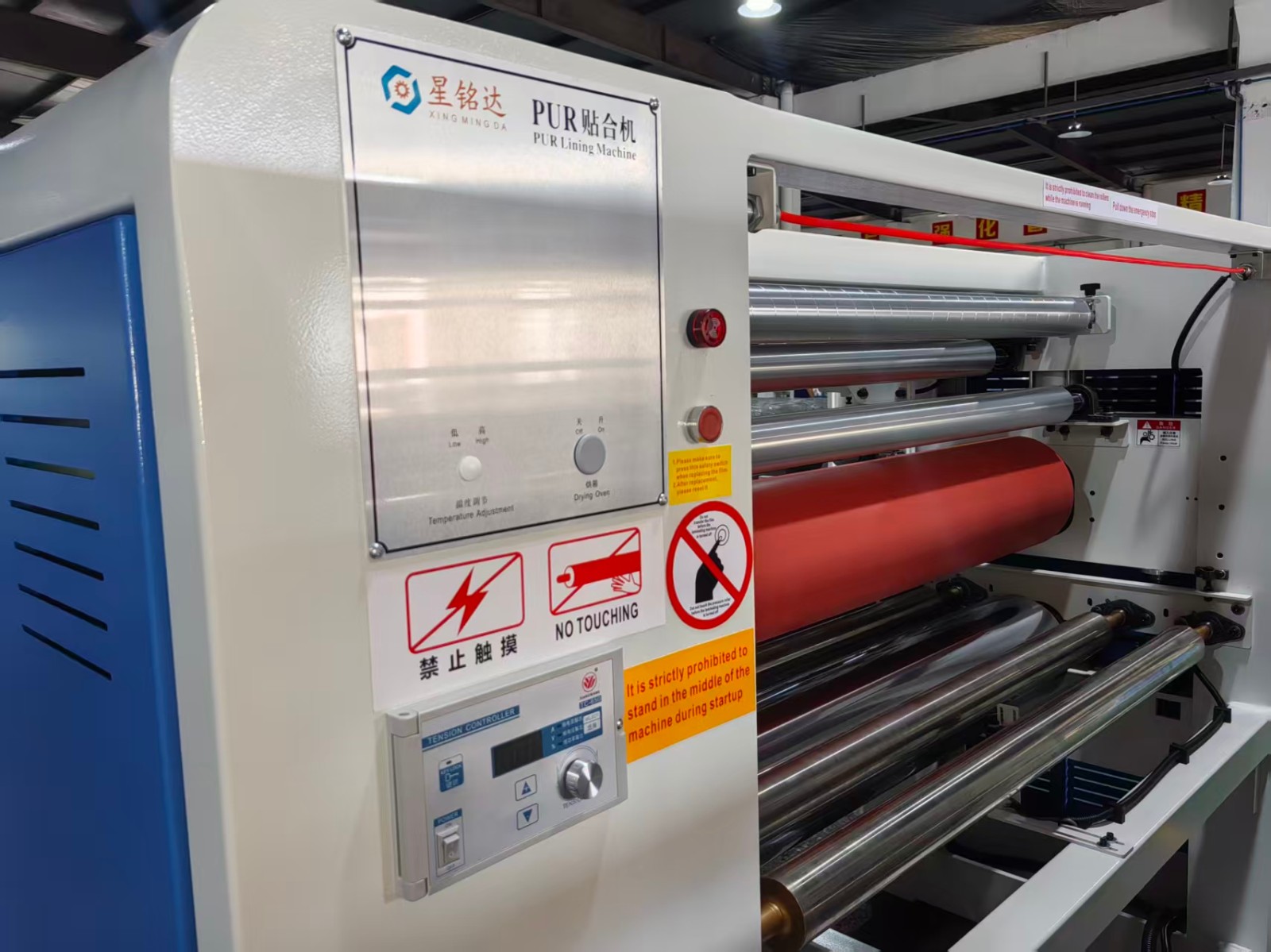
Selection of Flat Bed Composite Machine
When choosing such equipment, the basic properties of the substrate should be considered first, such as material, width, thickness, optimal melting temperature of the hot melt adhesive film, surface condition of the substrate, etc. Combined with production requirements, suitable heating power and output pressure should be selected, and appropriate length of heating and cooling zone equipment should be equipped. At the same time, special attention should be paid to whether the internal structure of the equipment is reasonable, which will greatly affect the heat transfer efficiency, determine the level of work efficiency, and prioritize product quality. And corresponding roll up and roll up equipment, etc