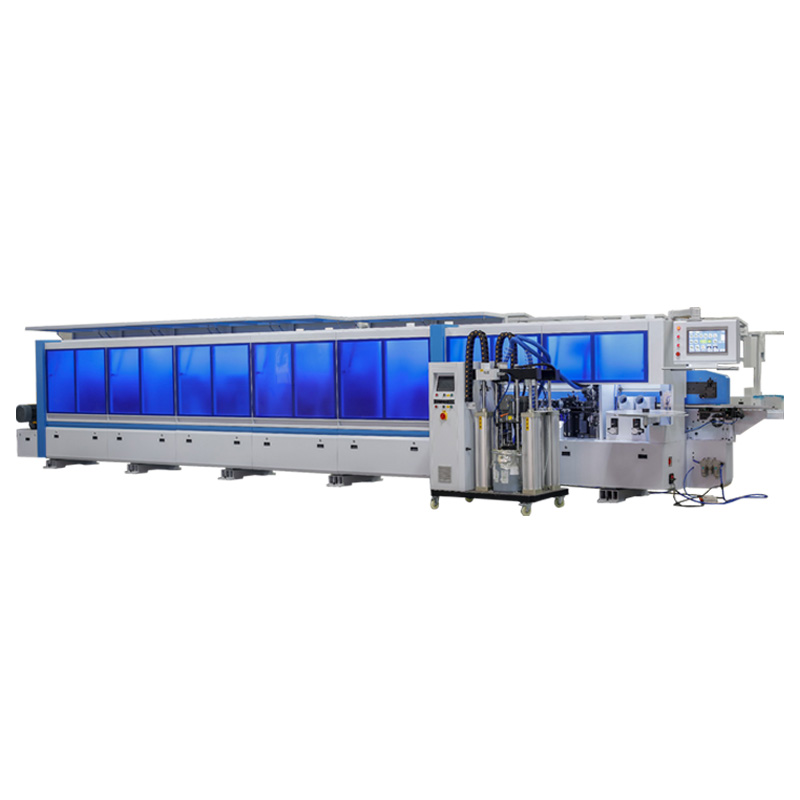
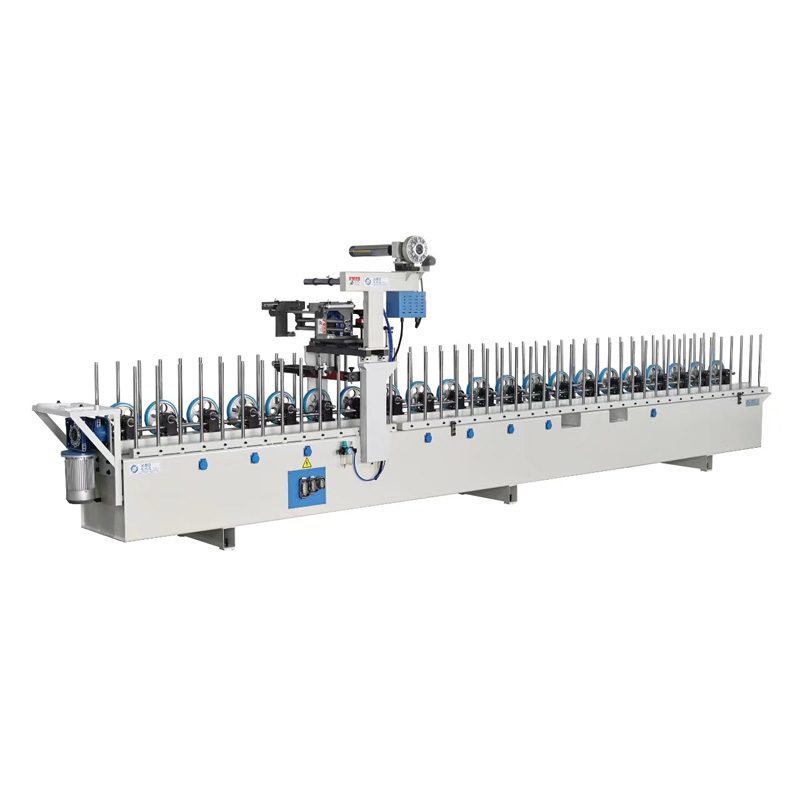
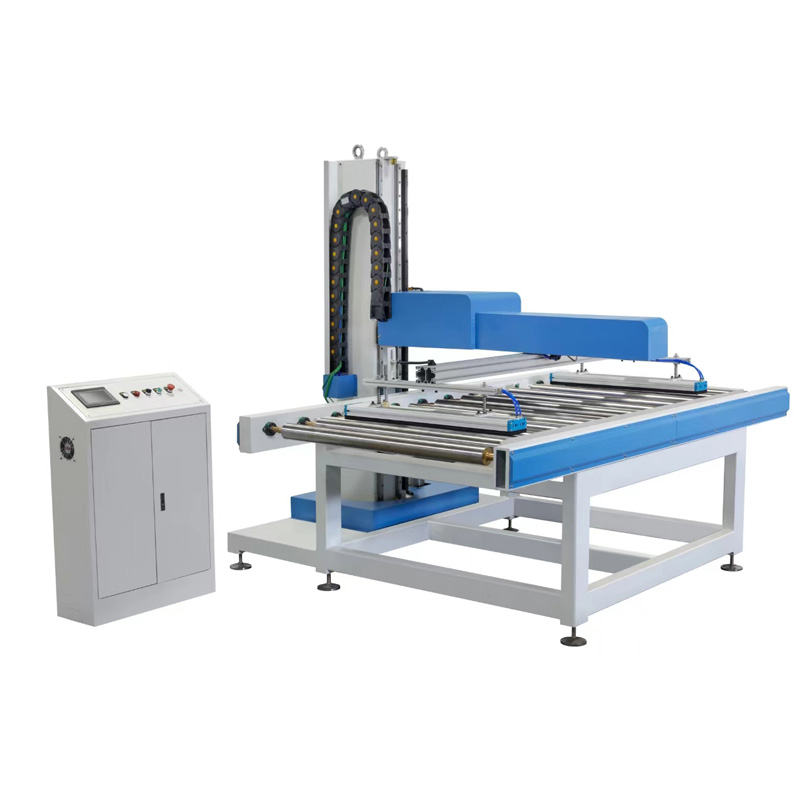
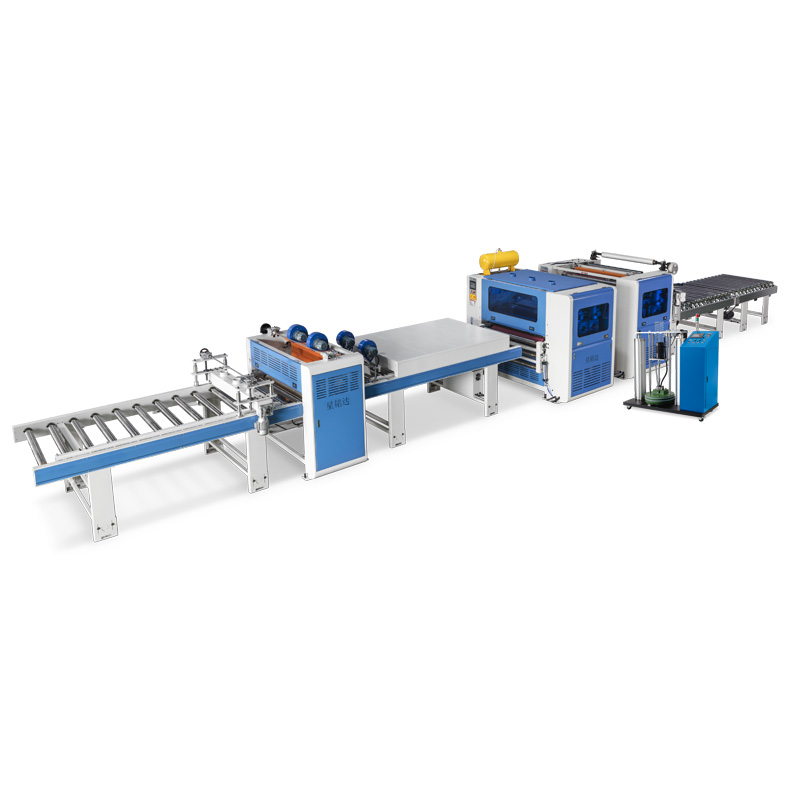
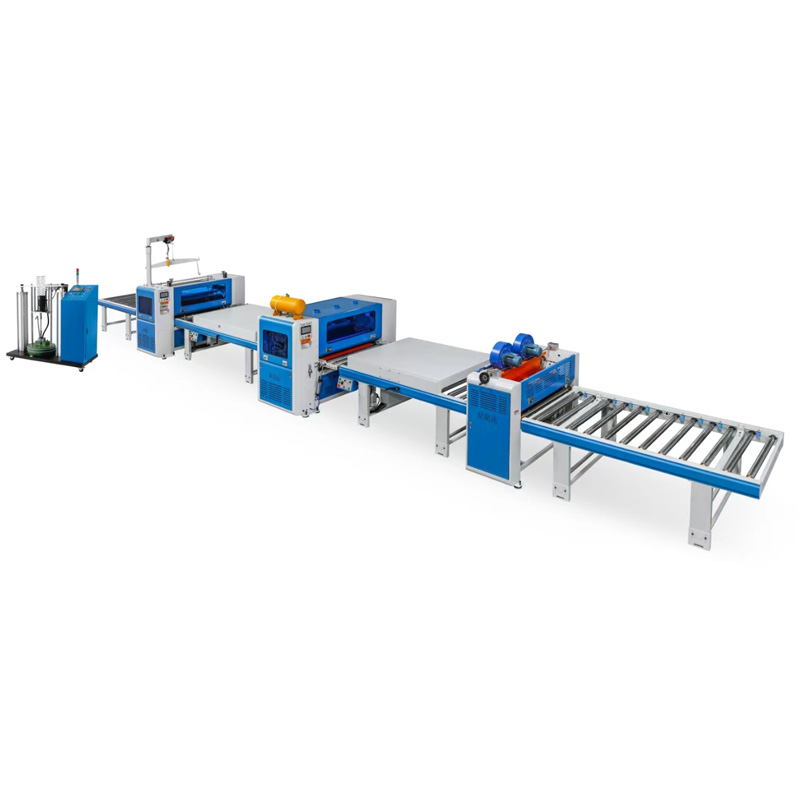
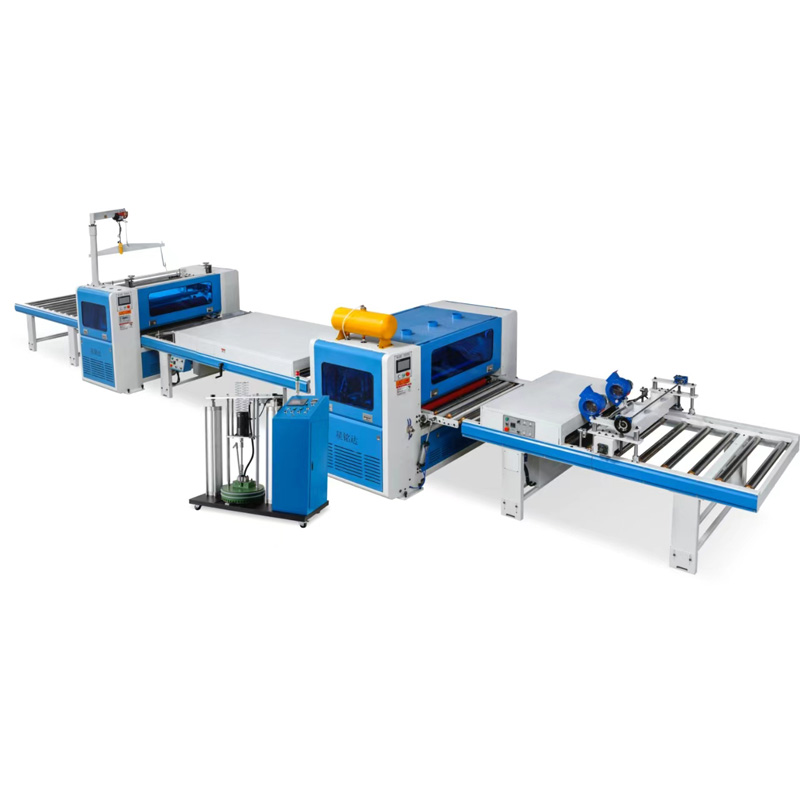
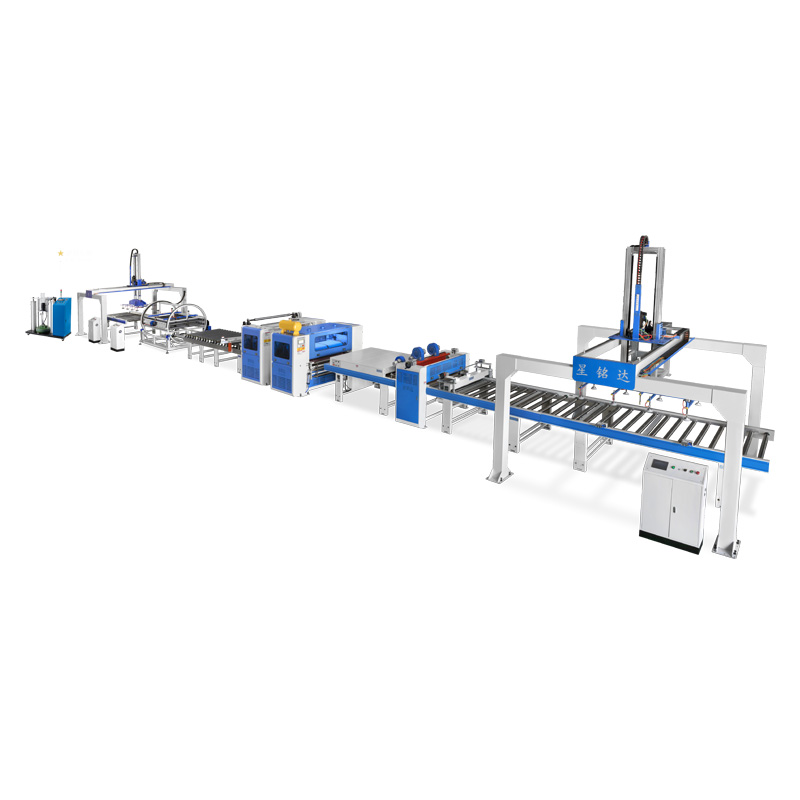
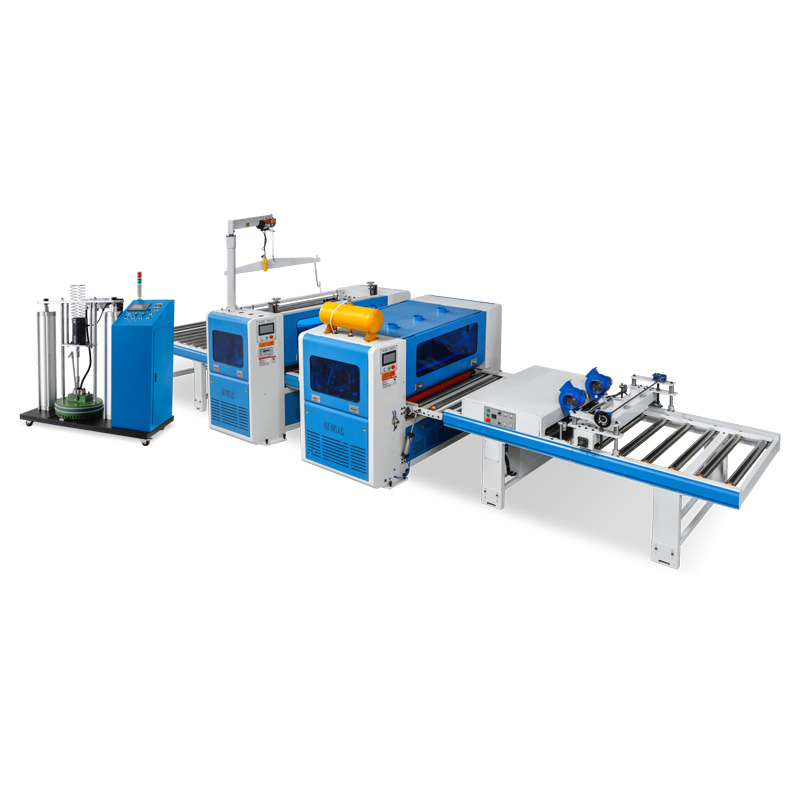
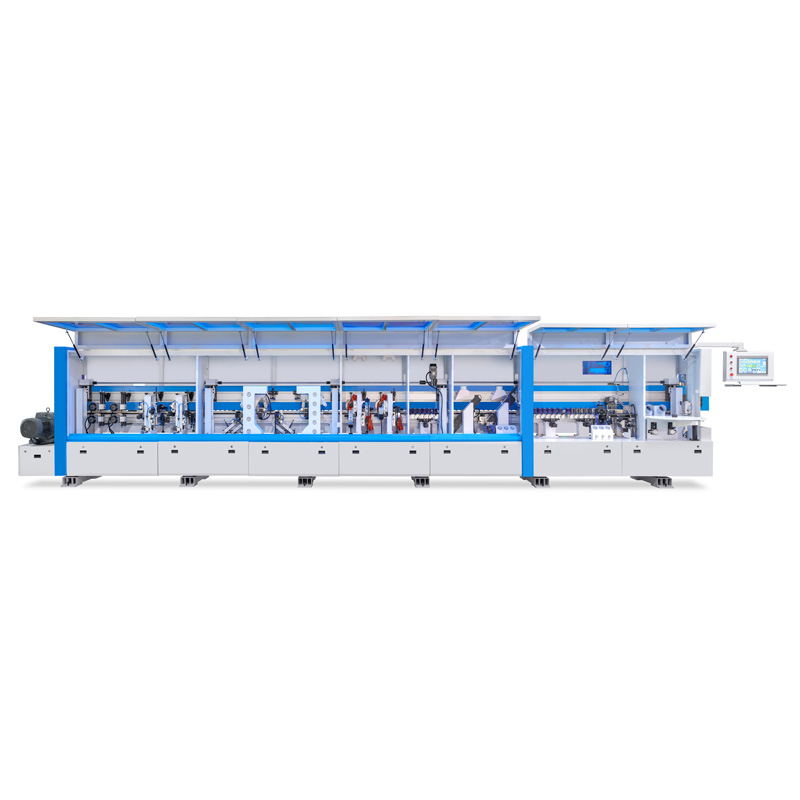
In the fast-paced world of decorative materials and packaging printing, the demand for high-quality, efficient, and eco-friendly production solutions has never been more pressing. For decades, PVC film laminating has been a cornerstone process in industries ranging from furniture manufacturing to packaging design, but traditional methods have long struggled to keep up with evolving market expectations. Enter the Automatic PUR Lamination Machine — a technological marvel that, when combined with advanced PUR hot melt adhesive technology, is reshaping the landscape of PVC Film Laminating Equipment. Foshan Xingmingda Automatic Woodworking Machinery Co., Ltd., a pioneer in the field since 2004, stands at the forefront of this revolution, proving that the integration of innovation, quality, and efficiency can redefine what’s possible in PVC lamination production. This article delves into the transformative power of the Automatic PUR Lamination Machine, exploring how it addresses long-standing industry pain points, revolutionizes production processes, and delivers unparalleled value to businesses worldwide. From core technology Decryption to real-world success stories, we uncover why the PUR Hot Melt Laminator is no longer an option but a necessity for companies aiming to stay competitive in the modern marketplace.
1. In-depth Analysis of Industry Pain Points: Six Bottlenecks of Traditional Lamination Processes
Before the advent of the Automatic PUR Lamination Machine, the PVC film laminating industry relied heavily on two primary technologies: solvent-based glue lamination and EVA hot melt lamination. While these methods served their purpose in the past, they are plagued by six critical bottlenecks that hinder productivity, quality, and sustainability — issues that the PVC Lamination Production Line powered by PUR technology is designed to solve. 1.1 Poor Adhesion and Durability
Traditional solvent-based glues and EVA hot melt adhesives often fail to form a strong, long-lasting bond between PVC film and base materials such as MDF, particleboard, or honeycomb board. This results in delamination, edge lifting, and reduced product lifespan, especially in harsh environments (e.g., high humidity, temperature fluctuations). For furniture manufacturers, this translates to costly product returns, damaged brand reputation, and lost customers. In contrast, the Automatic PUR Lamination Machine uses moisture-curing polyurethane (PUR) hot melt adhesive, which forms irreversible chemical bonds with both the PVC film and the base material, ensuring exceptional adhesion that withstands extreme conditions from -40℃ to 150℃.
1.2 Low Production Efficiency
Solvent-based lamination processes require extended drying times to allow volatile organic compounds (VOCs) to evaporate, significantly slowing down production cycles. EVA hot melt lamination, while faster, is limited by lower operating speeds (typically 1-10 m/min) and frequent downtime for glue refills and equipment maintenance. This inefficiency makes it difficult for manufacturers to meet large orders or tight deadlines. The Automatic PUR Lamination Machine, however, operates at speeds of up to 3-20 m/min (depending on the model), with some high-performance units reaching 35 m/min for mass production. Its continuous feeding system and automated glue application eliminate unnecessary downtime, making the PVC Film Laminating Equipment far more productive than traditional alternatives.
1.3 Environmental and Health Hazards
Solvent-based glues release high levels of VOCs, which are not only harmful to the environment (contributing to air pollution and global warming) but also pose serious health risks to factory workers, including respiratory problems, skin irritation, and long-term chronic diseases. Compliance with environmental regulations (such as EU REACH and US EPA standards) has become increasingly costly for companies using these materials, as they require expensive ventilation systems and waste treatment processes. EVA hot melt adhesives, while low in VOCs, are not fully eco-friendly and may contain harmful additives. The Automatic PUR Lamination Machine uses green, environmental-friendly PUR hot melt glue with no volatile matter, ensuring a safe working environment for employees and reducing the company’s carbon footprint. This makes the PUR Hot Melt Laminator a sustainable choice that aligns with global environmental goals.
1.4 High Material Waste
Traditional lamination processes are prone to misalignment between the PVC film and the base material, leading to high rates of product rejection and material waste. Additionally, solvent-based glues often require excessive application to achieve adequate adhesion, further increasing material costs. The Automatic PUR Lamination Machine features precision-guided feeding systems, automatic centering platforms, and adjustable pressure controls that ensure perfect alignment and uniform glue application. This reduces material waste by up to 30% compared to traditional methods, translating to significant cost savings for manufacturers.
1.5 Limited Compatibility with Base Materials
Solvent-based and EVA hot melt lamination processes are often limited to specific base materials, making it difficult for manufacturers to diversify their product offerings. For example, EVA adhesives may not bond well with metal, stone, or plastic substrates, restricting their use in industries such as aluminum furniture manufacturing. The Automatic PUR Lamination Machine, as part of a comprehensive PVC Lamination Production Line, offers exceptional compatibility with a wide range of base materials, including PVC foam board, wallboard, MDF, particleboard, honeycomb board, multilayer board, calcium silicate board, glass magnesium board, color steel plate, aluminum, and stone. This versatility allows manufacturers to expand their product lines and cater to a broader customer base.
1.6 High Labor Costs
Traditional lamination processes are labor-intensive, requiring skilled workers to operate equipment, monitor glue application, and inspect finished products. As labor costs rise globally, this puts significant pressure on manufacturers’ profit margins. The Automatic PUR Lamination Machine incorporates advanced automation features, such as automatic feeders, conveyor systems, and output turnover platforms, which reduce the need for manual intervention. A single operator can manage multiple machines, increasing labor productivity by up to 50% and lowering overall labor costs.
The table below summarizes the key pain points of traditional processes and the advantages of the Automatic PUR Lamination Machine:
| Industry Pain Points | Traditional Solvent-based Glue | Traditional EVA Hot Melt | Automatic PUR Lamination Machine |
|---|
| Adhesion & Durability | Poor; delamination common | Moderate; limited temperature resistance | Excellent; bonds withstand -40℃ to 150℃ |
| Production Speed | Slow (1-5 m/min); long drying time | Moderate (1-10 m/min); frequent downtime | High (3-35 m/min); continuous operation |
| Environmental Impact | High VOC emissions; harmful to health | Low VOCs; not fully eco-friendly | Zero volatile matter; green and safe |
| Material Waste | High (15-25% rejection rate) | Moderate (10-15% rejection rate) | Low (5-8% rejection rate) |
| Material Compatibility | Limited to wood-based substrates | Restricted to specific materials | Wide range (wood, metal, stone, plastic, etc.) |
| Labor Requirements | Labor-intensive; 3-4 workers per line | Moderately labor-intensive; 2-3 workers per line | Highly automated; 1 worker per 2-3 lines |
2. Core Technology Decryption of Automatic PUR Lamination Machines
The transformative performance of the Automatic PUR Lamination Machine stems from its integration of advanced PUR hot melt adhesive technology and precision engineering. Foshan Xingmingda, with over 20 years of experience in designing and manufacturing woodworking machinery, has refined these core technologies to create a PVC Film Laminating Equipment that sets new standards for efficiency, quality, and reliability.
2.1 PUR Hot Melt Adhesive Technology: The Heart of the Machine
At the core of the Automatic PUR Lamination Machine is the PUR hot melt adhesive — a moisture-curing polyurethane compound that reacts with atmospheric moisture to form strong, flexible, and durable bonds. Unlike traditional EVA hot melt adhesives (which rely on physical cooling to set) or solvent-based glues (which require evaporation), PUR adhesive undergoes a chemical reaction that creates irreversible bonds with the substrate and the PVC film. This reaction ensures:
Superior Adhesion: The chemical bond formed by PUR adhesive is 3-5 times stronger than that of EVA, eliminating delamination and edge lifting.
Waterproof and Corrosion Resistance: PUR bonds are impervious to water, moisture, and chemicals, making them ideal for outdoor applications or humid environments (e.g., kitchens, bathrooms).
Temperature Resistance: As mentioned earlier, PUR bonds maintain their integrity in extreme temperatures, from freezing cold (-40℃) to high heat (150℃), expanding the range of applications for laminated products.
Eco-Friendliness: PUR hot melt adhesive contains no solvents, VOCs, or harmful additives, making it compliant with global environmental standards and safe for workers.
Foshan Xingmingda’s PUR Hot Melt Laminator uses high-quality PUR glue that is specifically formulated for PVC film lamination, ensuring optimal flow, adhesion, and curing speed. The machine’s glue tank is equipped with precise temperature controls (ranging from 120℃ to 180℃) to maintain the adhesive in a molten state without degradation, ensuring consistent performance throughout the production process.
2.2 Precision Glue Coating Mechanism
The Automatic PUR Lamination Machine features a dedicated PUR glue coating mechanism that ensures uniform, precise application of adhesive to the base material. Unlike traditional machines that use roller coating (which can result in uneven glue distribution), Xingmingda’s design incorporates a slot-die coating system that delivers a thin, consistent layer of glue (0.1-0.3 mm) across the entire width of the substrate. This not only improves adhesion but also reduces glue consumption by up to 20%, lowering material costs.
The glue coating mechanism is also adjustable, allowing manufacturers to customize the glue thickness based on the type of base material and PVC film being used. For example, porous materials like MDF may require a slightly thicker glue layer, while non-porous materials like aluminum can use a thinner layer for optimal results.
2.3 Automated Feeding and Conveying Systems
To maximize efficiency, the Automatic PUR Lamination Machine is equipped with automatic feeders that handle both coil and sheet materials. The input centering platform ensures that the base material is aligned correctly before entering the glue coating station, while the eight-side edge grinding platform removes dust and debris from the substrate, improving adhesion.
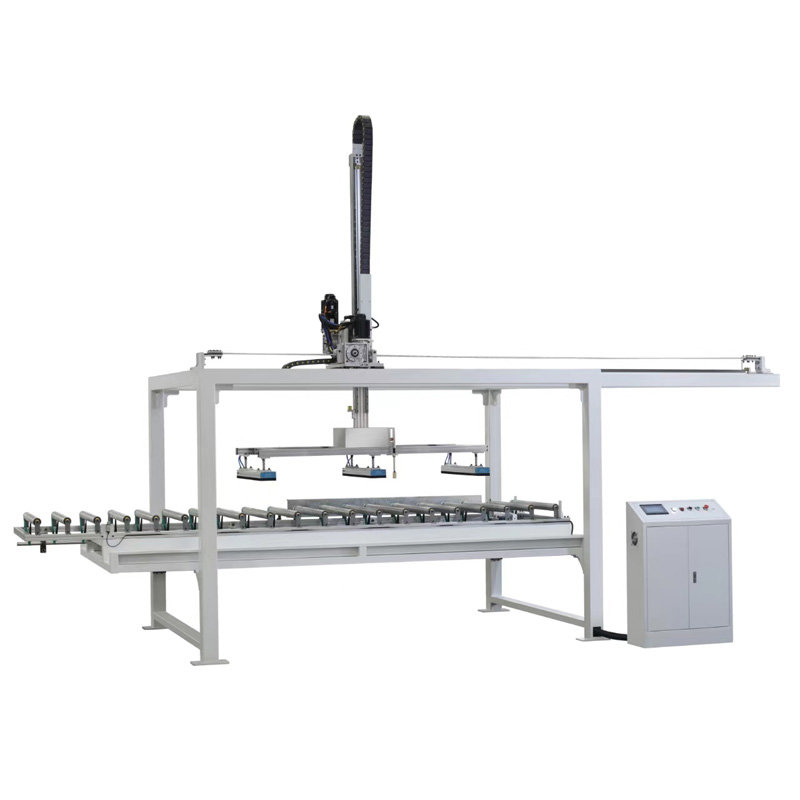
The conveyor system uses high-speed, flexible belts that move the material through the machine at a consistent speed (3-20 m/min), ensuring that the glue has sufficient time to bond with the PVC film before entering the lamination station. The output centering platform and automatic turnover platform then stack the finished products neatly, reducing the need for manual handling and minimizing the risk of damage.
2.4 Intelligent Control System
Modern manufacturing demands real-time monitoring and control, and the Automatic PUR Lamination Machine delivers with its advanced intelligent control system. The machine is equipped with a touchscreen interface that allows operators to adjust parameters such as speed, glue thickness, temperature, and pressure with precision. The system also provides real-time feedback on production status, including output volume, material usage, and machine performance, enabling managers to optimize production processes and identify potential issues before they cause downtime.
For added convenience, the control system can be integrated with factory management software (ERP/MES), allowing for seamless data sharing and centralized control of multiple machines. This level of 智能化 ensures that the PVC Lamination Production Line operates at peak efficiency, with minimal human intervention.
2.5 Durable and Reliable Construction
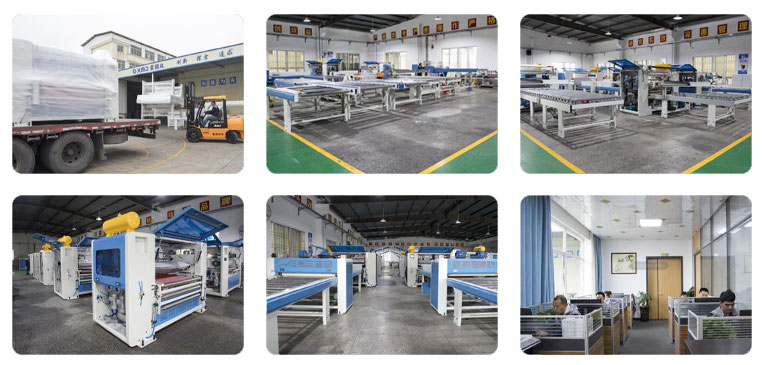
Foshan Xingmingda takes quality seriously, and the Automatic PUR Lamination Machine is built to withstand the rigors of continuous production. The machine’s frame is constructed from high-strength steel, ensuring stability and durability, while the key components (such as the glue tank, coating rollers, and conveyor belts) are made from wear-resistant materials that require minimal maintenance.
The company’s commitment to quality is reflected in its ISO-certified quality management system, which ensures that every machine undergoes rigorous testing before leaving the factory. With proper maintenance, the Automatic PUR Lamination Machine can operate continuously for up to 10 years, providing a long-term, reliable solution for manufacturers.
3. Optimization of Production Process Flow
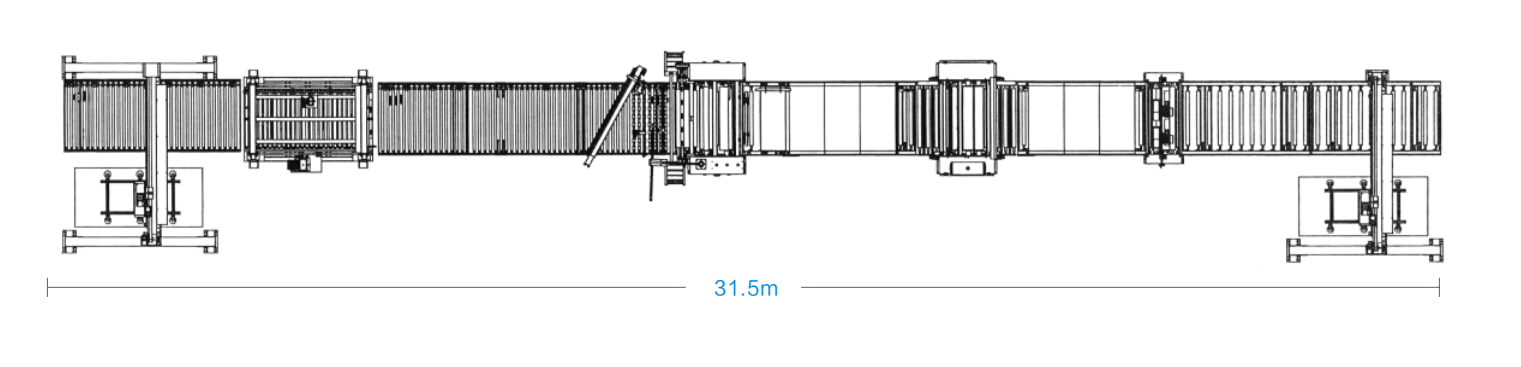
The Automatic PUR Lamination Machine not only incorporates advanced technology but also optimizes the entire PVC film laminating production process, reducing cycle times, improving quality, and minimizing waste. Below is a step-by-step breakdown of the optimized process flow, highlighting how each stage contributes to the machine’s exceptional performance.
3.1 Pre-Production Preparation
Before production begins, the operator loads the base material (coil or sheet) onto the automatic feeder and the PVC film onto the film unwinding station. The operator then selects the appropriate parameters (speed, glue thickness, temperature) on the touchscreen interface, based on the type of base material and PVC film being used. The machine’s dust cleaner and edge grinding platform are activated to prepare the substrate for lamination.
3.2 Glue Coating
The base material is fed into the machine via the input centering platform, which ensures precise alignment. The slot-die coating system applies a uniform layer of molten PUR hot melt adhesive to the substrate, with the glue thickness adjusted to match the material’s requirements. The glue tank’s temperature control system maintains the adhesive at the optimal temperature (120℃-180℃), ensuring consistent flow and adhesion.
3.3 Film Lamination
After the glue is applied, the PVC film is unwound and pressed onto the base material by the machine’s lamination rollers. The powered flexible belt pressing mechanism exerts uniform pressure (adjustable from 0.5-2.0 MPa) to ensure that the film adheres firmly to the substrate. The pressure is distributed evenly across the entire surface, eliminating air bubbles and ensuring a smooth, wrinkle-free finish.
3.4 Curing
Unlike traditional solvent-based processes that require extended drying times, the PUR adhesive begins curing immediately upon contact with atmospheric moisture. The machine’s heating oven blowing device accelerates the curing process by circulating warm air around the laminated material, reducing the curing time to just a few minutes. This allows the finished product to be handled and stacked immediately after exiting the machine, significantly reducing production cycle times.
3.5 Trimming and Finishing
For sheet materials, the machine’s side cutting system (model XMD-1) trims the edges of the laminated product to the desired size, ensuring precision and uniformity. The output centering platform aligns the finished products, while the automatic turnover platform stacks them neatly for storage or further processing.
3.6 Quality Inspection
The optimized process includes built-in quality inspection points, where the machine’s sensors detect any defects such as misalignment, air bubbles, or insufficient glue application. If a defect is detected, the machine alerts the operator and can automatically stop production to prevent further waste. This real-time quality control ensures that only high-quality products leave the factory, reducing rejection rates and improving customer satisfaction.
The optimized process flow of the Automatic PUR Lamination Machine reduces the total production time per unit by up to 50% compared to traditional methods. For example, a furniture manufacturer producing 1,000 MDF panels per day with a traditional EVA hot melt machine would take 8 hours to complete the job. With the Automatic PUR Lamination Machine, the same production volume can be completed in just 4 hours, allowing the manufacturer to take on larger orders or reduce operating hours, saving on energy and labor costs.
4. Application Scenarios and Solutions
The Automatic PUR Lamination Machine is a versatile PVC Film Laminating Equipment that caters to a wide range of industries and applications. Its ability to handle multiple base materials and PVC films, combined with its superior performance, makes it an ideal solution for businesses looking to expand their product offerings and improve their competitive edge. Below are the key application scenarios and the tailored solutions provided by Foshan Xingmingda’s Automatic PUR Lamination Machine.
4.1 Furniture Manufacturing Industry
The furniture industry is one of the largest users of PVC film laminating, with applications including wardrobe doors, cabinet panels, desk surfaces, and chair armrests. Traditional lamination processes often struggle to meet the industry’s demands for durability, aesthetics, and customization. The Automatic PUR Lamination Machine addresses these challenges by:
Providing exceptional adhesion that withstands daily use, including scratches, impacts, and moisture.
Offering a smooth, wrinkle-free finish that enhances the appearance of furniture products.
Supporting customization of non-standard widths and sizes, allowing manufacturers to create unique designs for their customers.
Reducing production time, enabling manufacturers to meet tight delivery deadlines for large furniture orders.
Foshan Xingmingda’s PVC Lamination Production Line is widely used by furniture factories in China and abroad, including leading brands in Brazil, Dubai, and Russia. For example, a Brazilian furniture manufacturer specializing in aluminum furniture adopted the Automatic PUR Lamination Machine to produce wardrobe doors with PVC film laminates. The machine’s compatibility with aluminum substrates and superior adhesion ensured that the doors were durable and resistant to humidity, a critical factor in Brazil’s tropical climate. The manufacturer reported a 40% increase in production efficiency and a 25% reduction in product returns after switching to the PUR Hot Melt Laminator.
4.2 Packaging and Printing Industry
In the packaging and printing industry, PVC film laminating is used to enhance the durability and appearance of packaging materials such as boxes, bags, and labels. Traditional solvent-based lamination processes are not only slow but also release harmful VOCs, making them non-compliant with strict environmental regulations in Europe and North America. The Automatic PUR Lamination Machine offers a solution by:
Using eco-friendly PUR hot melt glue that meets EU REACH and US EPA standards.
Operating at high speeds (up to 35 m/min) to handle large packaging orders efficiently.
Providing waterproof and corrosion-resistant laminates that protect packaged products during transportation and storage.
Supporting a wide range of surface materials, including PET film, aluminum film, and leather film, allowing for creative packaging designs.
A packaging manufacturer in Algeria switched to Foshan Xingmingda’s Automatic PUR Lamination Machine to produce food packaging materials. The machine’s zero-VOC emissions ensured compliance with local environmental regulations, while its high speed and low waste helped the manufacturer reduce production costs by 30%. The waterproof laminates also improved the shelf life of the packaged food, leading to increased customer satisfaction.
4.3 Construction and Decoration Industry
The construction and decoration industry uses PVC film laminating for wall panels, ceiling tiles, flooring, and decorative panels. These products require high durability, resistance to moisture and temperature changes, and easy installation. The Automatic PUR Lamination Machine meets these requirements by:
Bonding PVC film to base materials such as wallboard, calcium silicate board, and glass magnesium board with exceptional strength.
Providing laminates that are resistant to water, mold, and mildew, making them ideal for use in bathrooms, kitchens, and other humid areas.
Supporting large-format laminating (up to 1300 mm width), enabling the production of seamless wall panels and ceiling tiles.
Reducing installation time by providing pre-laminated materials that are easy to cut and fit.
A construction company in Saudi Arabia used Foshan Xingmingda’s PVC Lamination Production Line to produce wall panels for a large hotel project. The machine’s ability to handle large-format materials and its superior adhesion ensured that the wall panels were durable and aesthetically pleasing. The hotel’s management was impressed by the panels’ resistance to humidity and easy maintenance, leading to repeat orders for future projects.
4.4 Other Industries
The Automatic PUR Lamination Machine also finds applications in other industries, including:
Automotive Industry: Laminating PVC film to interior components such as door panels, dashboards, and seat covers, providing a durable and aesthetically pleasing finish.
Electronics Industry: Laminating PVC film to electronic device casings and packaging, protecting against scratches and moisture.
Textile Industry: Laminating PVC film to fabrics for outdoor clothing, tents, and awnings, providing waterproof and windproof properties.
Foshan Xingmingda’s ability to customize non-standard width equipment ensures that the Automatic PUR Lamination Machine can meet the unique needs of any industry, making it a versatile solution for businesses of all sizes.
5. Investment Return Analysis
Investing in an Automatic PUR Lamination Machine is a significant decision for any business, but the long-term return on investment (ROI) is substantial. Below is a detailed analysis of the costs and benefits associated with the machine, based on real-world data from Foshan Xingmingda’s customers.
5.1 Initial Investment
The cost of an Automatic PUR Lamination Machine varies depending on the model, specifications, and customization requirements. A standard semi-automatic model (e.g., 13.5 meters) costs approximately $50,000-$80,000, while a fully automatic production line (e.g., XMD-1) can range from $100,000-$200,000. While this initial investment is higher than that of traditional EVA hot melt machines ($30,000-$50,000), the long-term savings and revenue growth more than offset the difference.
5.2 Cost Savings
5.2.1 Labor Cost Savings
Traditional lamination processes require 2-4 workers per machine, while the Automatic PUR Lamination Machine can be operated by a single worker. Assuming an average labor cost of $20 per hour per worker, a manufacturer operating two machines for 8 hours per day, 25 days per month, would save:
Traditional machines: 2 machines × 3 workers × $20/hour × 8 hours/day × 25 days/month = $24,000/month
Automatic PUR Lamination Machines: 2 machines × 1 worker × $20/hour × 8 hours/day × 25 days/month = $8,000/month
Monthly savings: $24,000 - $8,000 = $16,000
Annual savings: $16,000 × 12 = $192,000
5.2.2 Material Cost Savings
The Automatic PUR Lamination Machine reduces material waste by up to 30% compared to traditional methods. Assuming a manufacturer uses $10,000 worth of base materials and PVC film per month, the monthly material savings would be:
Monthly material cost: $10,000
Waste reduction: 30%
Monthly savings: $10,000 × 30% = $3,000
Annual savings: $3,000 × 12 = $36,000
Additionally, the machine’s efficient glue application reduces glue consumption by up to 20%. Assuming a monthly glue cost of $2,000, the monthly savings would be $400, or $4,800 per year.
5.2.3 Energy Cost Savings
The Automatic PUR Lamination Machine is more energy-efficient than traditional solvent-based machines, which require high-power ventilation systems to remove VOCs. Assuming an average energy cost of $0.10 per kWh, a manufacturer operating two machines for 8 hours per day, 25 days per month, would save:
Traditional solvent-based machines: 2 machines × 15 kW × $0.10/kWh × 8 hours/day × 25 days/month = $600/month
Automatic PUR Lamination Machines: 2 machines × 10 kW × $0.10/kWh × 8 hours/day × 25 days/month = $400/month
Monthly savings: $600 - $400 = $200
Annual savings: $200 × 12 = $2,400
5.2.4 Maintenance Cost Savings
The Automatic PUR Lamination Machine’s durable construction and high-quality components require minimal maintenance compared to traditional machines. Assuming a monthly maintenance cost of $500 for traditional machines and $300 for the Automatic PUR Lamination Machine, the monthly savings would be $200, or $2,400 per year.
5.3 Revenue Growth
5.3.1 Increased Production Capacity
The Automatic PUR Lamination Machine’s high speed (3-35 m/min) and continuous operation enable manufacturers to increase their production capacity by up to 100%. For example, a manufacturer producing 1,000 units per month with a traditional machine can produce 2,000 units per month with the Automatic PUR Lamination Machine. Assuming an average profit of $50 per unit, the monthly revenue increase would be:
Additional units: 2,000 - 1,000 = 1,000 units
Monthly revenue increase: 1,000 units × $50/unit = $50,000
Annual revenue increase: $50,000 × 12 = $600,000
5.3.2 Expansion into New Markets
The Automatic PUR Lamination Machine’s eco-friendly design and superior product quality enable manufacturers to enter new markets, such as Europe and North America, where strict environmental regulations and high-quality standards are in place. This expansion can lead to significant revenue growth, as these markets offer higher profit margins and larger customer bases.
5.3.3 Premium Pricing
Products laminated with the Automatic PUR Lamination Machine are of higher quality (more durable, aesthetically pleasing, and eco-friendly) than those produced with traditional methods. This allows manufacturers to charge a premium price of 10-20% for their products, increasing profit margins without increasing production costs.
5.4 ROI Calculation
Based on the above analysis, the total annual savings and revenue growth for a manufacturer investing in two Automatic PUR Lamination Machines (costing $150,000 total) would be:
Annual cost savings: $192,000 (labor) + $36,000 (materials) + $4,800 (glue) + $2,400 (energy) + $2,400 (maintenance) = $237,600
Annual revenue growth: $600,000 (increased capacity) + $100,000 (premium pricing) = $700,000
Total annual benefit: $237,600 + $700,000 = $937,600
ROI: ($937,600 / $150,000) × 100% = 625%
Payback period: $150,000 / $937,600 × 12 months ≈ 1.9 months
This calculation shows that the Automatic PUR Lamination Machine offers an exceptional ROI, with a payback period of less than 2 months for most manufacturers. Even for smaller businesses with lower production volumes, the payback period typically ranges from 3-6 months, making it a smart investment for any company looking to improve efficiency and profitability.
6. In-depth Analysis of Successful Cases
Foshan Xingmingda’s Automatic PUR Lamination Machine has been adopted by hundreds of customers worldwide, delivering exceptional results in various industries. Below are three in-depth case studies that highlight the machine’s transformative impact on businesses of different sizes and sectors.
6.1 Case Study 1: Brazilian Aluminum Furniture Manufacturer
Company Background: A medium-sized furniture manufacturer based in São Paulo, Brazil, specializing in aluminum furniture for residential and commercial use. The company was struggling with low production efficiency, high product returns, and rising labor costs due to its use of traditional EVA hot melt lamination machines.
Challenges:
Delamination of PVC film from aluminum substrates, leading to a 15% product return rate.
Slow production speed (8 m/min), making it difficult to meet large orders from local retailers.
High labor costs (3 workers per machine), increasing operational expenses.
Non-compliance with local environmental regulations due to EVA glue’s low eco-friendliness.
Solution: The company invested in two 17-meter semi-automatic Automatic PUR Lamination Machines from Foshan Xingmingda, along with customized non-standard width equipment to handle its unique product sizes.
Results:
Product return rate dropped from 15% to 2% due to the superior adhesion of PUR hot melt glue.
Production speed increased to 15 m/min, allowing the company to fulfill a large order for 5,000 wardrobe doors in just 2 weeks (compared to 4 weeks with traditional machines).
Labor costs reduced by 67% (1 worker per machine instead of 3), saving $180,000 per year.
The eco-friendly PUR glue ensured compliance with local environmental regulations, enabling the company to enter the European market and secure a $500,000 order from a German retailer.
ROI achieved in 2.5 months.
6.2 Case Study 2: Algerian Packaging Manufacturer
Company Background: A small packaging manufacturer in Algiers, Algeria, producing food packaging materials such as boxes and bags. The company was using solvent-based lamination machines, which were slow, environmentally harmful, and costly to operate.
Challenges:
Long drying times (2 hours per batch), limiting production capacity to 500 units per day.
High VOC emissions, leading to fines from local environmental authorities.
High material waste (20% rejection rate) due to uneven glue application.
Rising costs of solvent-based glue, increasing production expenses.
Solution: The company purchased one fully automatic Automatic PUR Lamination Machine (model XMD-1) from Foshan Xingmingda, along with a supply of eco-friendly PUR hot melt glue.
Results:
Drying time eliminated, with finished products ready for use immediately after lamination. Production capacity increased to 1,500 units per day, a 200% increase.
Zero VOC emissions, eliminating environmental fines and improving working conditions for employees.
Material waste reduced to 5% due to the machine’s precise glue coating and alignment systems, saving $24,000 per year in material costs.
PUR glue costs 15% less than solvent-based glue, saving an additional $6,000 per year.
The company secured a contract with a major local food producer, increasing annual revenue by $300,000.
ROI achieved in 3 months.
6.3 Case Study 3: Chinese Construction Material Supplier
Company Background: A large construction material supplier based in Foshan, China, producing wall panels and ceiling tiles for commercial and residential projects. The company was using a combination of traditional EVA hot melt and solvent-based lamination machines, which were unable to meet the demand for large-format, high-durability products.
Challenges:
Limited to small-format products (max width 800 mm), unable to cater to large construction projects.
Poor durability of laminates, leading to customer complaints about moisture damage.
High maintenance costs for traditional machines, totaling $30,000 per year.
Inefficient production process, requiring 4 workers per line.
Solution: The company invested in a fully automatic PVC Lamination Production Line from Foshan Xingmingda, including an Automatic PUR Lamination Machine with a maximum working width of 1300 mm, automatic feeders, and an intelligent control system.
Results:
Ability to produce large-format wall panels (1300 mm width) and ceiling tiles, securing a $1 million contract for a new shopping mall in Guangzhou.
Laminates’ waterproof and moisture-resistant properties eliminated customer complaints, improving brand reputation.
Maintenance costs reduced to $10,000 per year, saving $20,000.
Labor costs reduced by 75% (1 worker per line instead of 4), saving $360,000 per year.
Production efficiency increased by 150%, allowing the company to expand its customer base to Southeast Asia.
ROI achieved in 1.8 months.
These case studies demonstrate that the Automatic PUR Lamination Machine is a game-changer for businesses of all sizes and industries, delivering significant cost savings, revenue growth, and competitive advantages.
7. Intelligent Operation and Maintenance
The Automatic PUR Lamination Machine is designed for ease of operation and minimal maintenance, ensuring that manufacturers can maximize uptime and productivity. Below is a detailed guide to the machine’s intelligent operation and maintenance procedures.
7.1 Intelligent Operation
7.1.1 User-Friendly Interface
The machine’s touchscreen interface is intuitive and easy to use, even for operators with limited technical experience. The interface displays all key parameters (speed, glue thickness, temperature, pressure) in real-time, and operators can adjust these parameters with a few taps. The system also provides step-by-step instructions for setting up the machine, loading materials, and troubleshooting common issues, reducing the learning curve for new operators.
7.1.2 Automated Processes
The Automatic PUR Lamination Machine’s automated feeding, centering, and stacking systems minimize manual intervention, reducing the risk of human error. The machine’s sensors detect misalignment, material jams, and other issues, and alert the operator with visual and audio notifications. In some cases, the machine can automatically correct minor issues (e.g., adjusting the centering of the base material) without operator input, ensuring continuous production.
7.1.3 Remote Monitoring and Support
Foshan Xingmingda offers remote monitoring and support for the Automatic PUR Lamination Machine, allowing technicians to access the machine’s control system via the internet. This enables technicians to diagnose issues, adjust parameters, and provide troubleshooting guidance in real-time, reducing downtime and minimizing the need for on-site service.
7.2 Maintenance Procedures
7.2.1 Daily Maintenance
Clean the machine: Wipe down the conveyor belts, rollers, and glue coating mechanism with a clean, dry cloth to remove dust and debris.
Check glue levels: Ensure that the glue tank is filled with PUR hot melt glue and that the temperature is set correctly.
Inspect sensors and safety devices: Verify that all sensors and safety devices (e.g., emergency stop buttons) are functioning properly.
Lubricate moving parts: Apply a small amount of lubricating oil to the conveyor belts, rollers, and other moving parts to reduce friction.
7.2.2 Weekly Maintenance
Clean the glue tank: Drain the remaining glue from the tank and clean it with a solvent (provided by Foshan Xingmingda) to remove any residue.
Inspect the glue coating mechanism: Check the slot-die coating system for clogs or wear and replace any damaged parts.
Check the conveyor belts: Inspect the conveyor belts for signs of wear or damage and adjust the tension if necessary.
Calibrate sensors: Calibrate the machine’s sensors to ensure accurate alignment and quality control.
7.2.3 Monthly Maintenance
Inspect the electrical system: Check the wiring, connectors, and circuit boards for signs of damage or overheating.
Replace filters: Replace the air filters in the heating oven blowing device to ensure proper air circulation.
Check the frame and structure: Inspect the machine’s frame and structure for signs of damage or corrosion and tighten any loose bolts.
7.2.4 Annual Maintenance
Full system inspection: Conduct a comprehensive inspection of the machine’s components, including the glue tank, coating mechanism, conveyor system, and control system.
Replace worn parts: Replace any worn or damaged parts (e.g., rollers, belts, sensors) to ensure optimal performance.
Calibrate the machine: Calibrate the machine’s parameters to ensure that it is operating within the manufacturer’s specifications.
Foshan Xingmingda provides a detailed maintenance manual with each Automatic PUR Lamination Machine, along with training for operators and maintenance personnel. The company also offers annual maintenance contracts, ensuring that the machine receives professional service and remains in peak condition.
8. Future Technology Trends
The PVC film laminating industry is constantly evolving, and the Automatic PUR Lamination Machine is poised to embrace future technology trends to maintain its position as the leading PVC Film Laminating Equipment. Below are the key trends that will shape the future of the Automatic PUR Lamination Machine:
8.1 Integration of Artificial Intelligence (AI) and Machine Learning
AI and machine learning will play an increasingly important role in the Automatic PUR Lamination Machine, enabling predictive maintenance, quality control, and process optimization. For example, AI algorithms can analyze data from the machine’s sensors to predict when components will fail, allowing for proactive maintenance and reducing downtime. Machine learning can also optimize production parameters (e.g., speed, glue thickness) based on the type of base material and PVC film being used, improving product quality and efficiency.
8.2 Internet of Things (IoT) Connectivity
IoT connectivity will enable seamless integration of the Automatic PUR Lamination Machine with other factory equipment and management systems. This will allow for real-time data sharing, centralized control, and remote monitoring of multiple machines from a single dashboard. IoT connectivity will also enable manufacturers to track production data (e.g., output volume, material usage, energy consumption) in real-time, providing valuable insights for process optimization and cost reduction.
8.3 Development of High-Speed and High-Precision Models
As market demand for faster production and higher quality increases, Foshan Xingmingda will continue to develop high-speed and high-precision Automatic PUR Lamination Machines. Future models will operate at speeds of up to 50 m/min, with even more precise glue coating and alignment systems, enabling manufacturers to handle larger orders and produce higher-quality products.
8.4 Expansion of Material Compatibility
The future Automatic PUR Lamination Machine will be compatible with an even wider range of base materials and surface films, including biodegradable materials, recycled plastics, and advanced composites. This will enable manufacturers to meet the growing demand for sustainable products and expand their product offerings into new industries.
8.5 Green and Sustainable Technology
Sustainability will remain a key focus for the Automatic PUR Lamination Machine, with Foshan Xingmingda developing more eco-friendly PUR hot melt adhesives and energy-efficient machines. Future models will use renewable energy sources (e.g., solar power) and incorporate recycled materials into their construction, reducing their environmental impact and helping manufacturers achieve their sustainability goals.
FAQ (Frequently Asked Questions)
Q1: What is the difference between the Automatic PUR Lamination Machine and traditional EVA hot melt machines?
A1: The Automatic PUR Lamination Machine uses moisture-curing PUR hot melt adhesive, which forms stronger, more durable bonds than EVA hot melt adhesive. It operates at higher speeds (3-35 m/min vs. 1-10 m/min), is more eco-friendly (zero VOCs vs. low VOCs), and has better material compatibility (supports metal, stone, and plastic substrates vs. limited to wood-based materials). Additionally, the Automatic PUR Lamination Machine is more automated, reducing labor costs and improving efficiency.
Q2: What base materials and surface films can the Automatic PUR Lamination Machine handle?
A2: The machine can handle a wide range of base materials, including PVC foam board, wallboard, MDF, particleboard, honeycomb board, multilayer board, calcium silicate board, glass magnesium board, color steel plate, aluminum, stone, and plastic. Surface films include PVC film, PET film, aluminum film, leather film, pet transparent film, and color steel sheet. Non-standard width equipment can be customized to meet specific needs.
Q3: How long does it take to cure the PUR hot melt adhesive?
A3: Unlike traditional solvent-based glues that require hours to dry, PUR hot melt adhesive begins curing immediately upon contact with atmospheric moisture. The curing process is accelerated by the machine’s heating oven blowing device, and the finished product can be handled and stacked within a few minutes of exiting the machine. Full curing (maximum bond strength) is achieved within 24 hours.
Q4: What is the service life of the Automatic PUR Lamination Machine?
A4: With proper maintenance, the Automatic PUR Lamination Machine has a service life of up to 10 years. Foshan Xingmingda uses high-quality materials and components, and the machine undergoes rigorous testing before leaving the factory to ensure durability and reliability.
Q5: Does Foshan Xingmingda provide training and after-sales service?
A5: Yes, Foshan Xingmingda provides comprehensive training for operators and maintenance personnel, including on-site training and online tutorials. The company also offers 24-hour after-sales service, remote monitoring and support, and annual maintenance contracts. Additionally, the company has domestic branches and offices all around China, as well as international partners, ensuring prompt service wherever you are.
Q6: Can the Automatic PUR Lamination Machine be customized for non-standard widths?
A6: Yes, Foshan Xingmingda offers customization of non-standard width equipment to meet the unique needs of your business. Whether you need to handle narrow strips or large-format materials (up to 1300 mm or more), the company can design a machine that fits your requirements.
Call to Action
The PVC film laminating industry is at a crossroads, with traditional processes struggling to meet the demands of modern manufacturing. The Automatic PUR Lamination Machine offers a transformative solution that delivers superior quality, efficiency, and sustainability, enabling businesses to stay ahead of the competition and capitalize on new market opportunities.
If you’re tired of dealing with delamination, high waste, rising labor costs, and environmental compliance issues, it’s time to make the switch to the Automatic PUR Lamination Machine. Foshan Xingmingda, with over 20 years of experience in woodworking machinery, is your trusted partner in this journey. Our team of experts will work with you to design a customized PVC Lamination Production Line that meets your specific needs, providing training, after-sales service, and ongoing support to ensure your success.
Don’t miss out on the opportunity to revolutionize your production process and achieve exceptional ROI. Contact Foshan Xingmingda today at pattypeng@purmachinefactory.com or visit our website athttps://www.purmachinefactory.com to learn more about the Automatic PUR Lamination Machine and request a quote. Let us help you redefine efficiency standards in PVC film laminating production and take your business to new heights.
Summary
The Automatic PUR Lamination Machine is a game-changing PVC Film Laminating Equipment that redefines efficiency standards in the decorative materials and packaging printing industries. By integrating advanced PUR hot melt adhesive technology with precision engineering and automation, the machine addresses the six key bottlenecks of traditional lamination processes (poor adhesion, low efficiency, environmental hazards, high waste, limited compatibility, and high labor costs) and delivers unparalleled value to businesses worldwide.
From core technology Decryption to real-world success stories, this article has explored how the Automatic PUR Lamination Machine optimizes production processes, expands application scenarios, and delivers exceptional ROI. With its user-friendly interface, minimal maintenance requirements, and commitment to sustainability, the machine is a smart investment for any business looking to improve efficiency, quality, and profitability.
As the industry evolves, Foshan Xingmingda will continue to innovate, integrating AI, IoT, and other advanced technologies to ensure that the Automatic PUR Lamination Machine remains the leading solution for PVC film laminating production. Contact us today to start your journey towards a more efficient, sustainable, and successful future.