
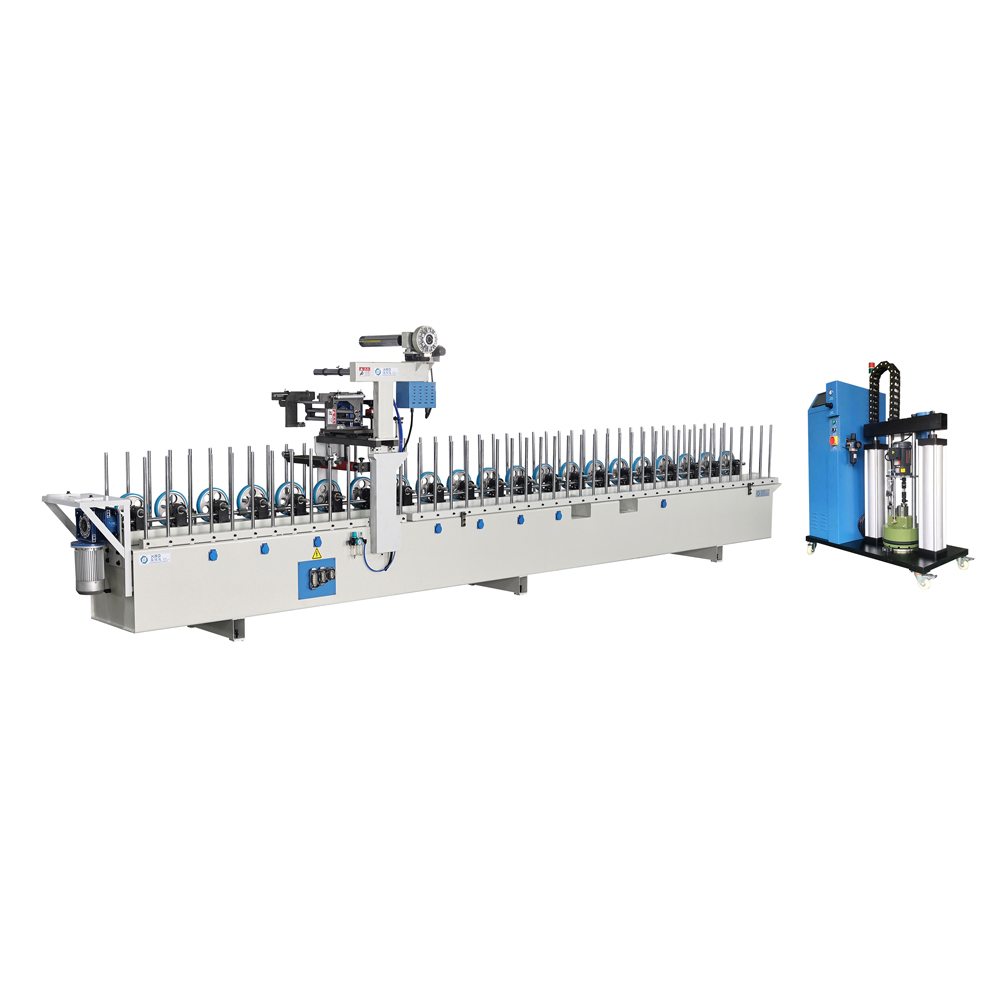
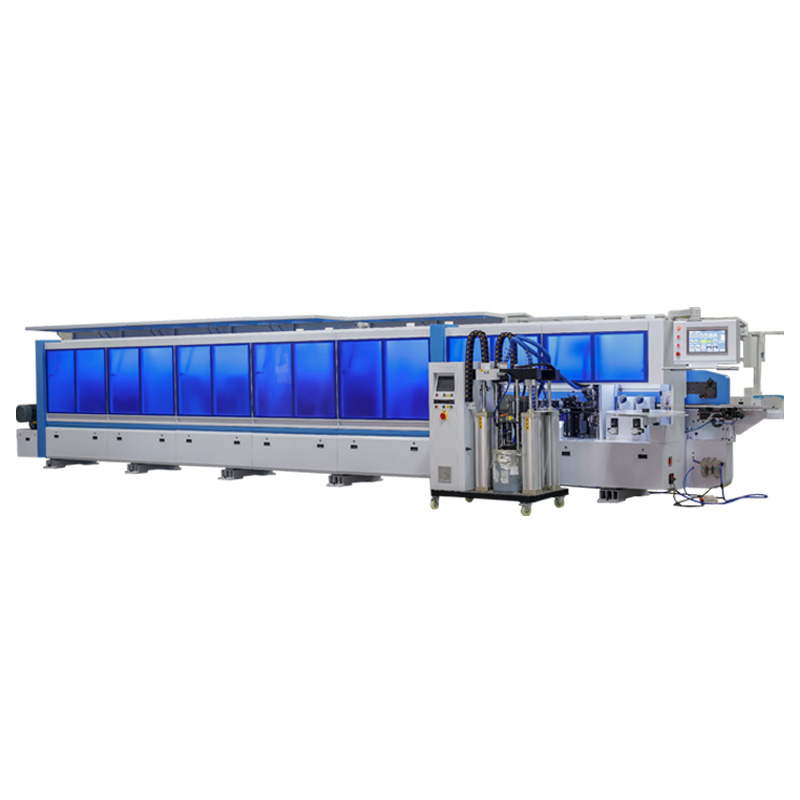
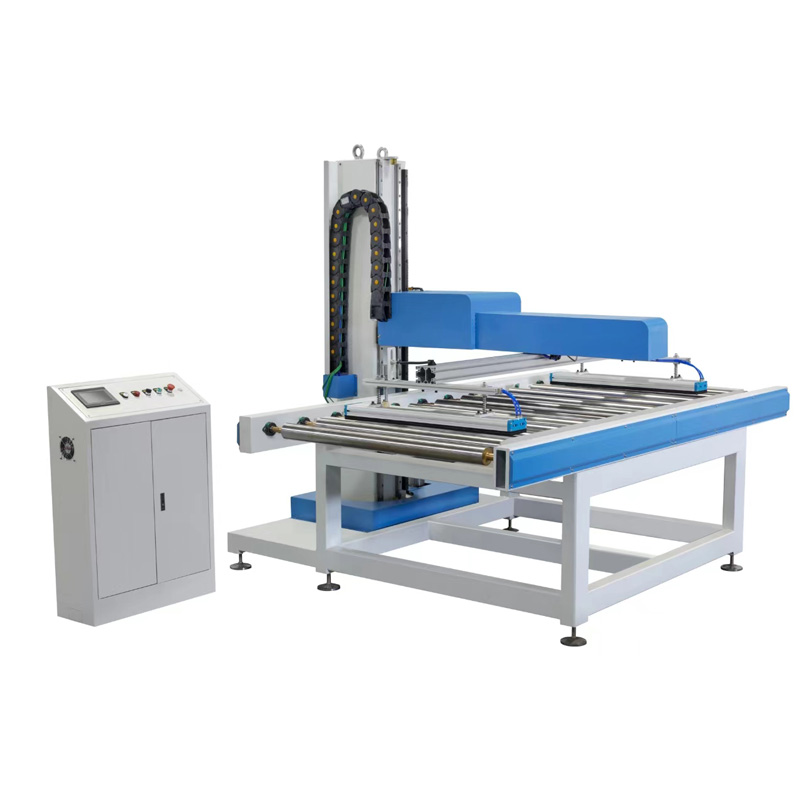
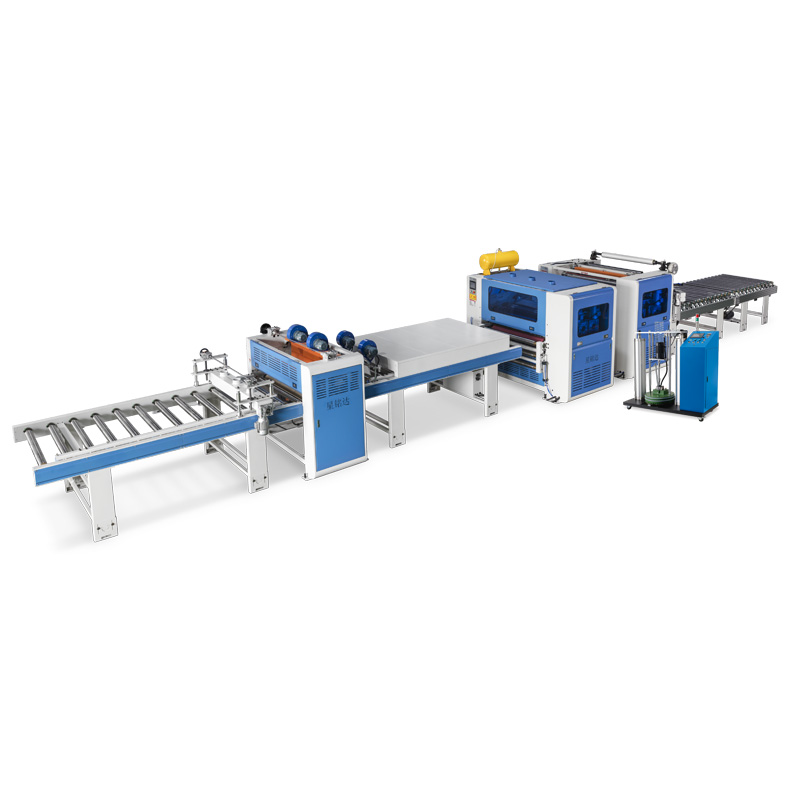
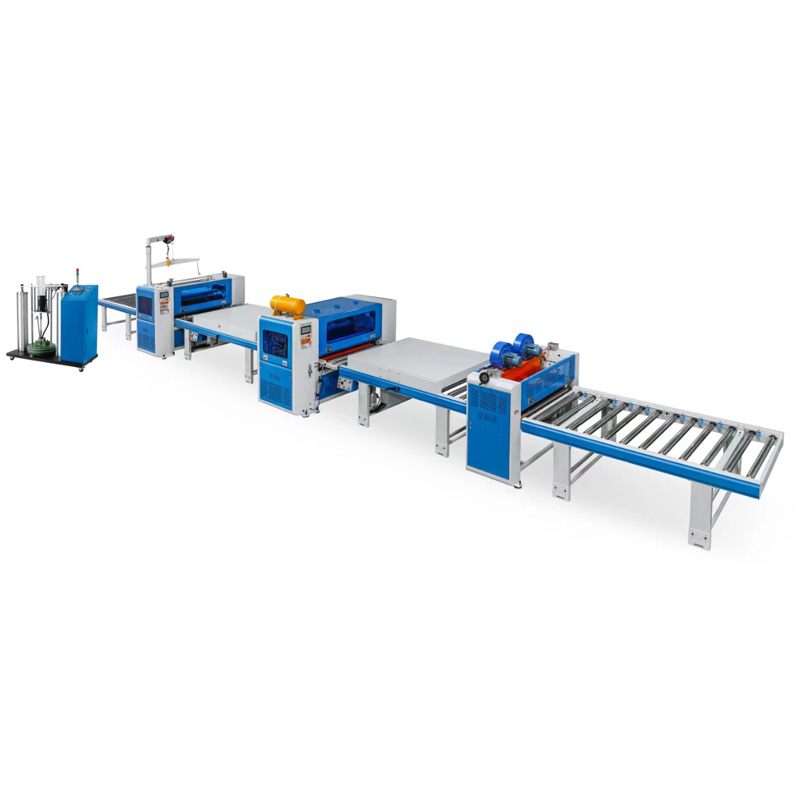
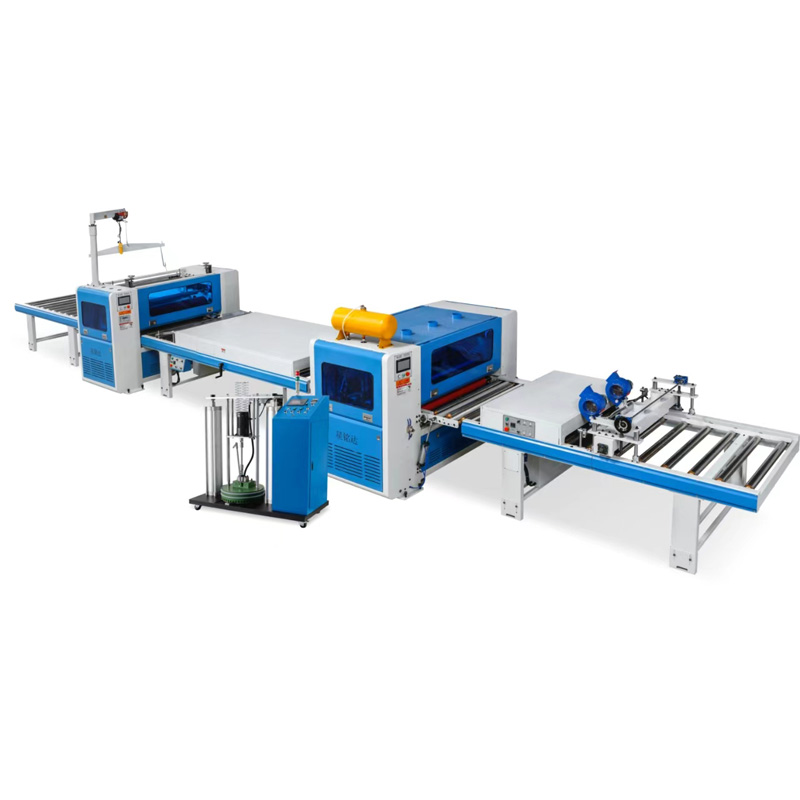
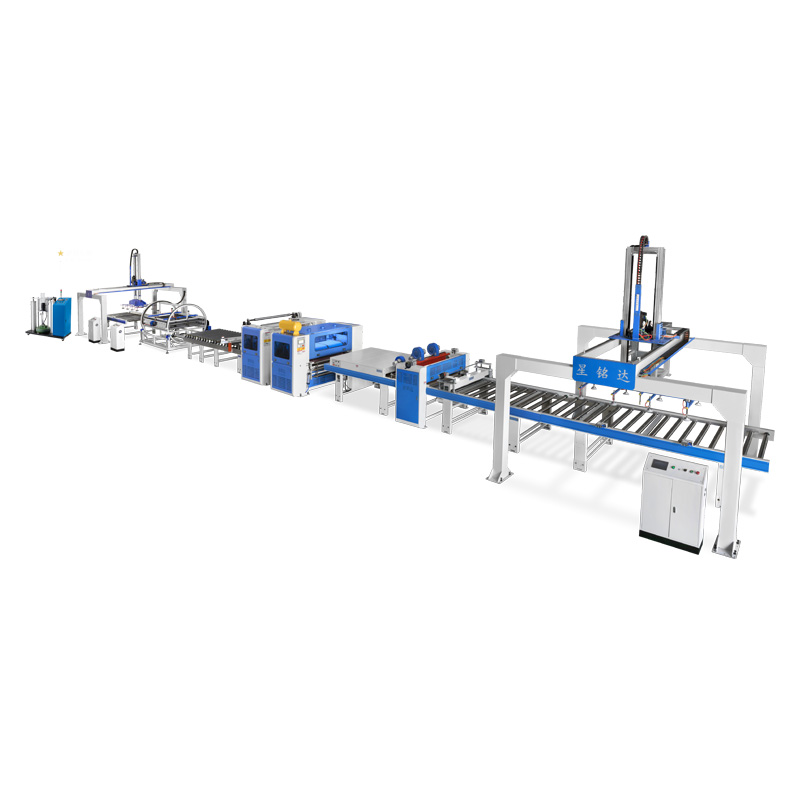
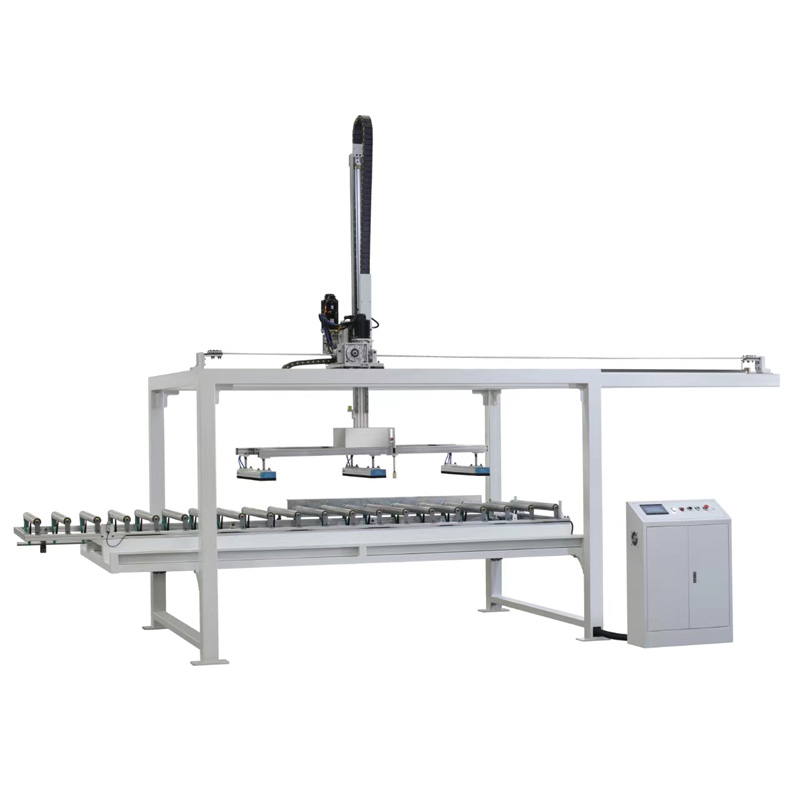
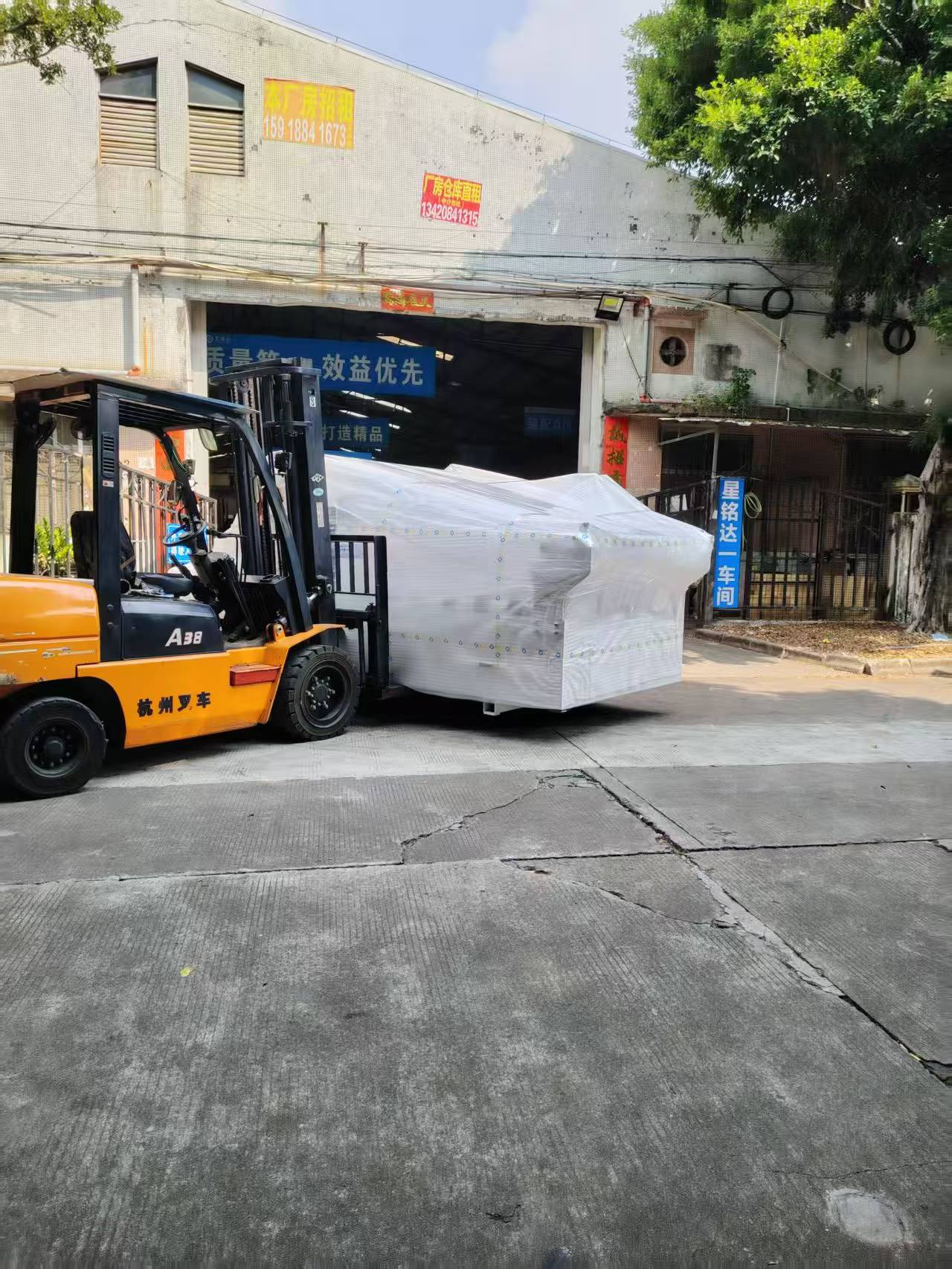
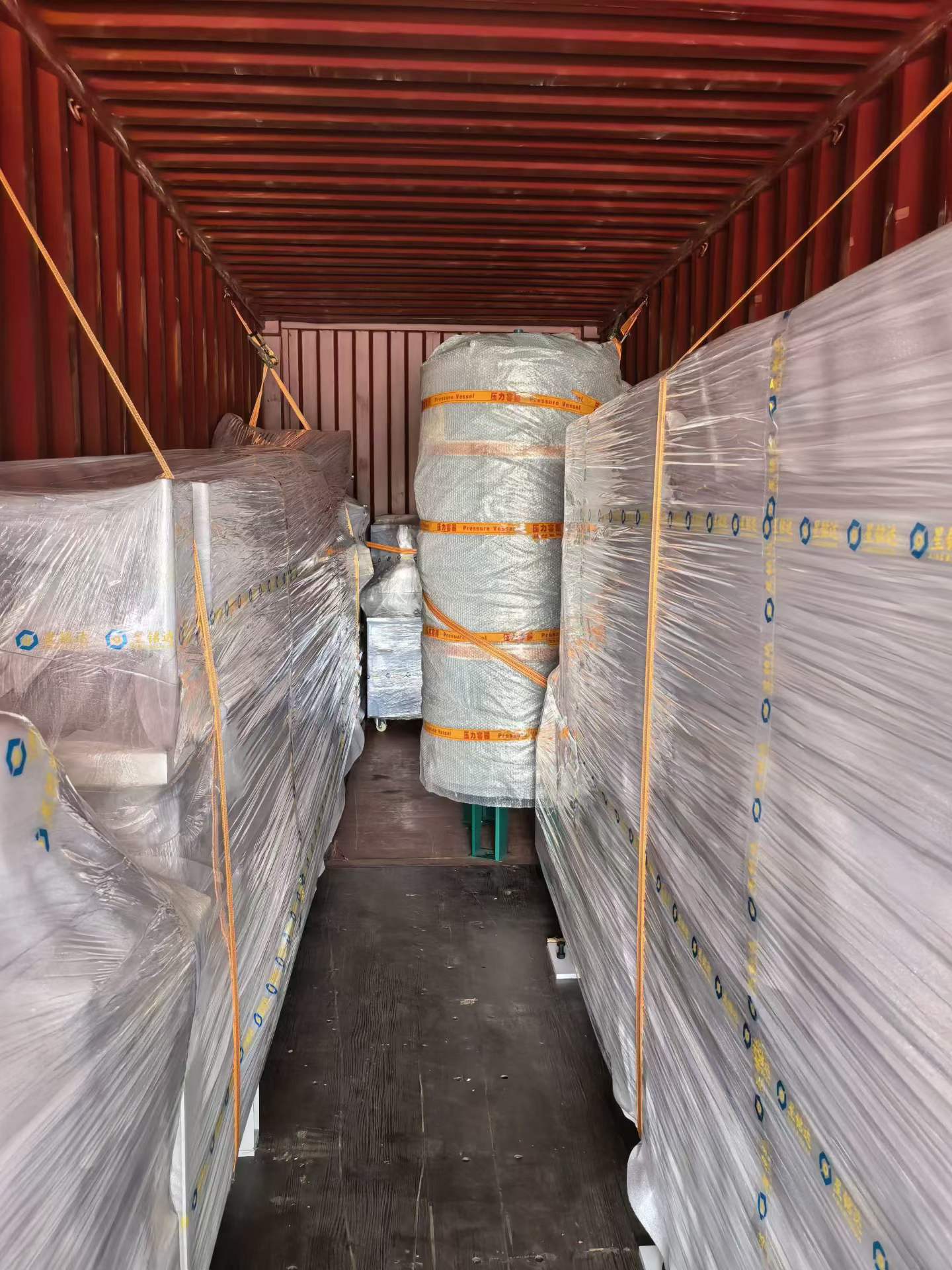
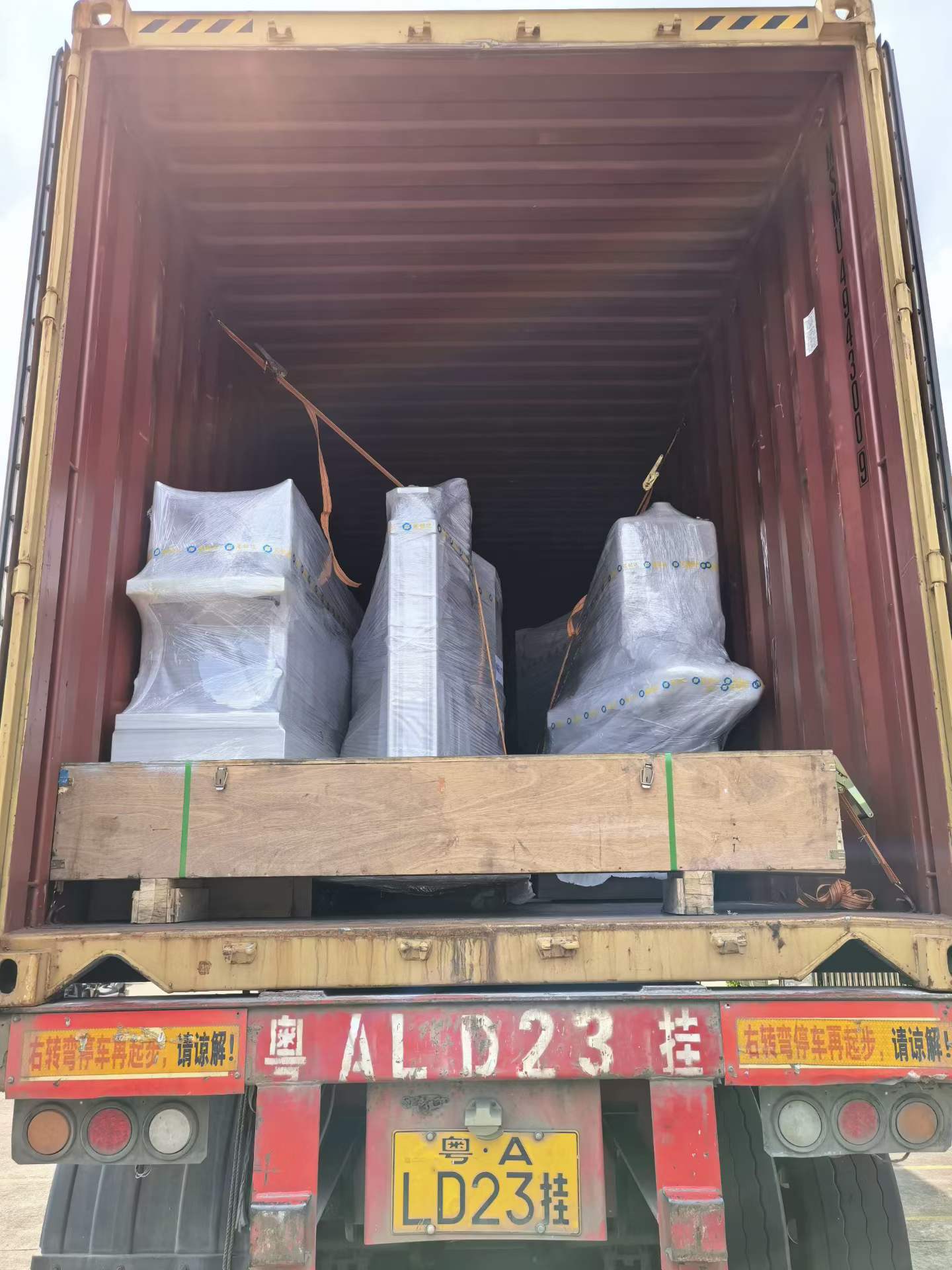
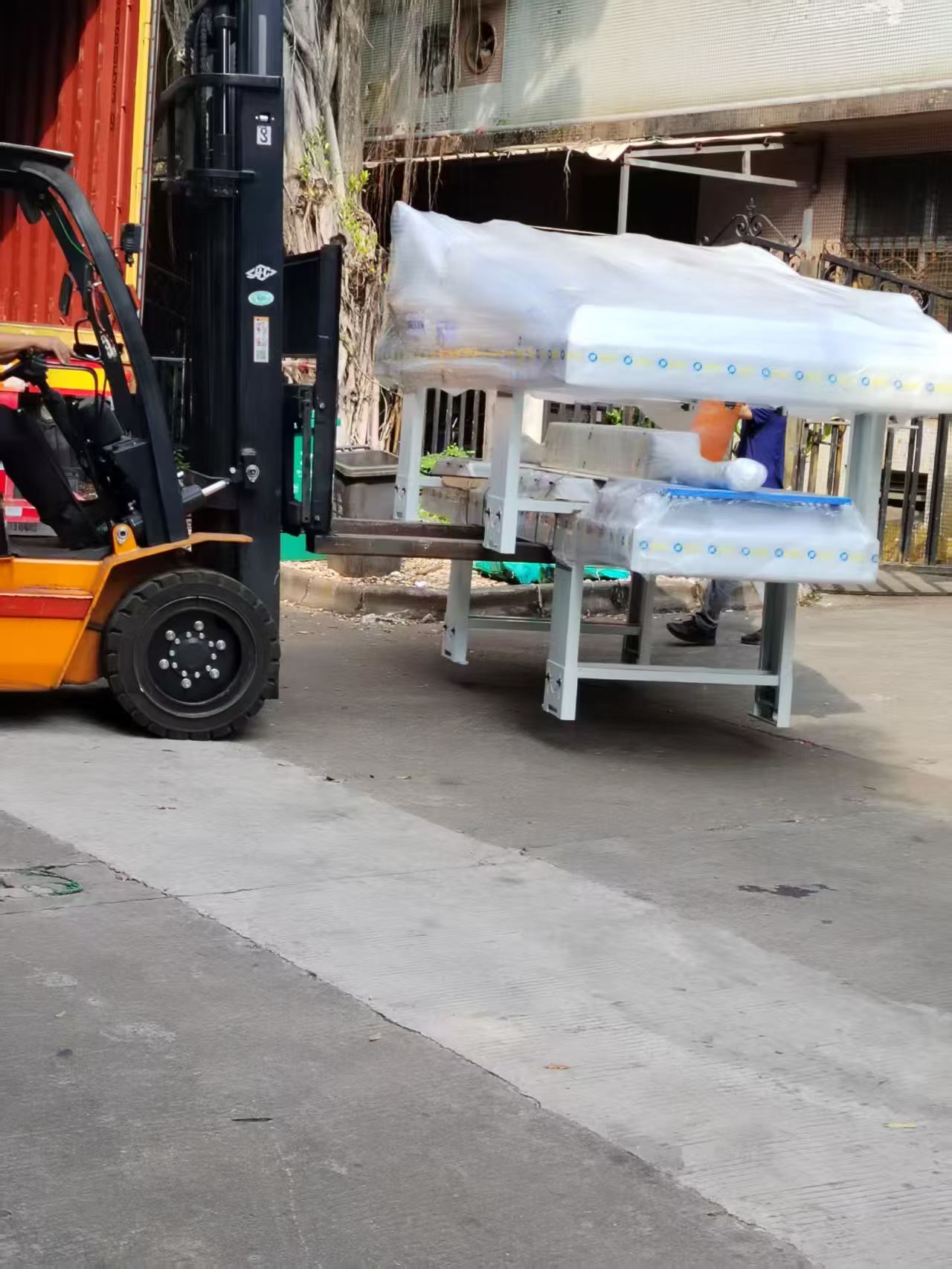
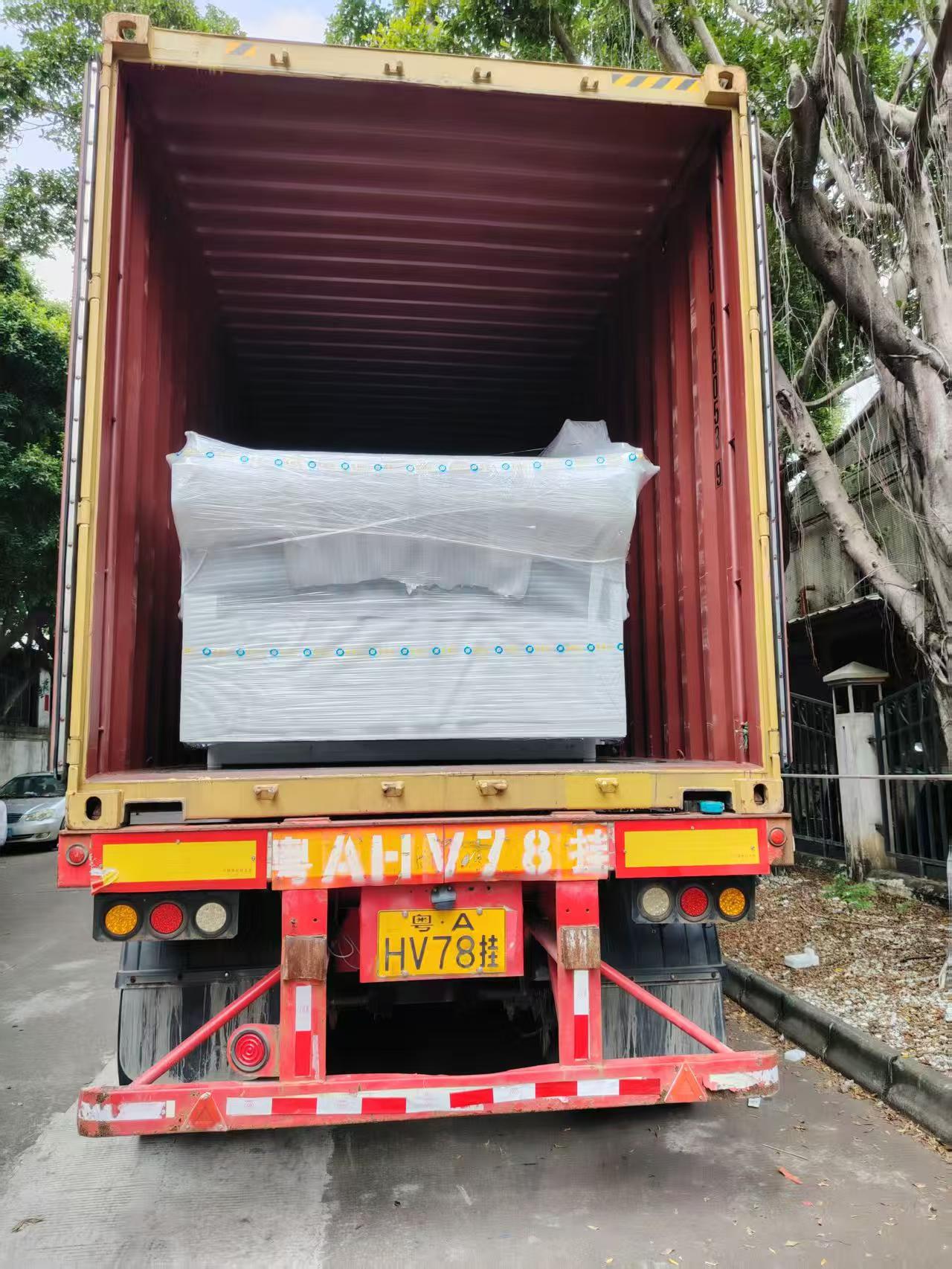
Autumn brings clear skies and favorable conditions for shipment. Today, two containers of woodworking machinery are on their way to Saudi Arabia, marking another step in our commitment to supporting international furniture and panel-processing manufacturers.
For overseas buyers, a machinery shipment represents more than the completion of an order. It reflects a series of decisions involving equipment selection, production requirements, technical configuration, packaging, transportation, and after-sales support.
At Foshan xingmingda automatic Woodworking machinery Co.,Ltd, we design and manufacture woodworking equipment for applications including profile wrapping, flat-panel lamination, hot melt adhesive coating, slotting, and PUR adhesive processing.
For furniture manufacturers, decorative panel factories, and woodworking machinery distributors in Saudi Arabia, choosing the right equipment starts with a practical question: Will the machine configuration match your products, production capacity, and workshop requirements after delivery?
This shipment provides an opportunity to explore what buyers should consider when sourcing woodworking machinery for Saudi Arabia and other Middle Eastern markets.
1. Why Do Woodworking Factories Need to Evaluate Machinery Before Ordering?
Furniture and interior-decoration manufacturers often process a wide range of materials, from flat decorative boards to narrow profiles and customized components. Each product requires a suitable combination of feeding, adhesive application, wrapping, laminating, cutting, or slotting functions.
Choosing equipment based only on its purchase price or advertised speed can create problems later. A machine may not accommodate the required panel width, profile geometry, adhesive type, or decorative film.
Before requesting a quotation, buyers should answer four questions:
What products will the machine process?
Which substrates, decorative films, and adhesives will be used?
What production speed and daily output are required?
What installation, training, and maintenance support will be needed?
These details help manufacturers recommend a configuration based on the production process rather than a generic machine category.
For buyers importing woodworking machinery to Saudi Arabia, early technical confirmation also helps coordinate workshop preparation, shipping arrangements, and commissioning requirements.
2. Which Woodworking Machine Is Suitable for Your Production Line?
Different machines solve different production problems. Understanding their functions helps buyers select equipment that fits the intended application.
Profile Wrapping Machine: For Decorative Profiles and Linear Components
A profile wrapping machine applies compatible decorative films or surface materials to suitable linear profiles.
Typical applications include:
Furniture and cabinet profiles
Door and window decorative components
Interior trim and decorative strips
Compatible MDF and other profile substrates
Selected aluminum or other profiles, subject to machine configuration
When selecting a profile wrapping machine, buyers should confirm profile dimensions, cross-sectional shape, film compatibility, feeding requirements, adhesive type, and target production speed.
For factories producing multiple profile sizes, the available adjustment range and changeover procedure are particularly important.
PUR Wrapping Machine: For Demanding Bonding Applications
A PUR wrapping machine uses reactive polyurethane hot melt adhesive to bond compatible decorative materials to suitable substrates.
Depending on the adhesive formulation and process conditions, PUR bonding can offer useful moisture resistance, heat resistance, and bonding performance. Actual results depend on the substrate, surface preparation, adhesive grade, application temperature, and curing conditions.
Buyers should evaluate:
Compatible profile or panel dimensions
Adhesive melting and application requirements
Temperature-control capability
Glue application consistency
Cleaning and shutdown procedures
Operator training and maintenance needs
A suitable PUR system should be selected according to the actual material combination and production requirements, not simply because PUR is marketed as a high-performance adhesive.
Flat Lamination Machine: For Decorative Panels
Flat lamination equipment is suitable for applying compatible surface materials to flat boards and panels.
Applications may include furniture panels, cabinet boards, decorative wall panels, and other interior components. The appropriate machine depends on panel dimensions, substrate properties, surface material, adhesive system, and required finish.
For example, Xingmingda's published 1300 PUR Wrapping Machine specification lists a maximum working width of 1,300 mm and describes applications involving large boards and decorative surface materials. Buyers should verify the exact model and configuration required for their own production line.
Slotting Machine: For Panel Processing
Slotting machines are used to create specified grooves or slots in compatible panels and components. The required machine depends on the workpiece dimensions, groove position, slot depth, processing accuracy, and production volume.
For factories combining panel preparation with wrapping or lamination, the sequence of operations should be considered when planning the complete production line.
3. Which Technical Parameters Should Buyers Confirm?
A reliable machinery purchase begins with a clear specification sheet. The following checklist can help Saudi buyers prepare a more accurate inquiry.
| Parameter | What to confirm | Why it matters |
|---|---|---|
| Working width | Maximum and minimum material width | Ensures the machine fits the intended products |
| Processing thickness | Supported substrate thickness range | Avoids material incompatibility |
| Profile dimensions | Width, height, and cross-sectional shape | Determines wrapping suitability |
| Working speed | Operating speed under the intended process conditions | Helps estimate practical output |
| Adhesive system | PUR, other hot melt adhesive, or cold glue | Determines process requirements |
| Temperature control | Required settings, control method, and alarms | Supports consistent adhesive processing |
| Feeding system | Manual, semi-automatic, or automatic feeding | Affects labor and workflow |
| Electrical requirements | Voltage, frequency, and installed power | Helps prepare the workshop |
| Safety features | Guards, emergency stops, and operating procedures | Supports safe installation and operation |
| Accessories | Included tools, parts, and optional equipment | Prevents gaps in the order |
| Installation support | Remote guidance or on-site commissioning | Clarifies the delivery scope |
| Spare parts | Recommended wear parts and availability | Supports maintenance planning |
Procurement tip: Ask the supplier to confirm the agreed specifications in writing before production. If the application involves special films, unusual profile shapes, or a new adhesive formulation, provide samples or drawings for technical review.
4. What Should Saudi Buyers Consider About the Local Workshop Environment?
Saudi Arabia's climate and individual factory conditions make workshop planning an important part of machinery procurement. High ambient temperatures, dust exposure, ventilation, and electrical supply should be considered when preparing the installation site.
However, environmental suitability cannot be determined by climate alone. The machine's specified operating range and the requirements of its adhesive system must be checked.
Temperature and Adhesive Management
For PUR and other hot melt adhesive processes, the adhesive should be stored, heated, applied, and maintained according to its manufacturer's instructions.
Before purchasing, ask the supplier to clarify:
The machine's specified ambient operating conditions
Adhesive melting and application temperature requirements
Temperature-control and alarm functions
Recommended cleaning and shutdown procedures
Ventilation and dust-control considerations
Any additional cooling or environmental-control requirements
A machine that performs well in one workshop may require a different configuration or additional environmental controls in another.
Electrical and Installation Preparation
The buyer should provide the local power supply specifications before the machine is finalized. Workshop space, floor conditions, access for unloading, and material storage should also be reviewed.
Planning these details before shipment can help reduce avoidable installation delays after the equipment arrives.
5. What Does a Two-Container Shipment Mean for Overseas Buyers?
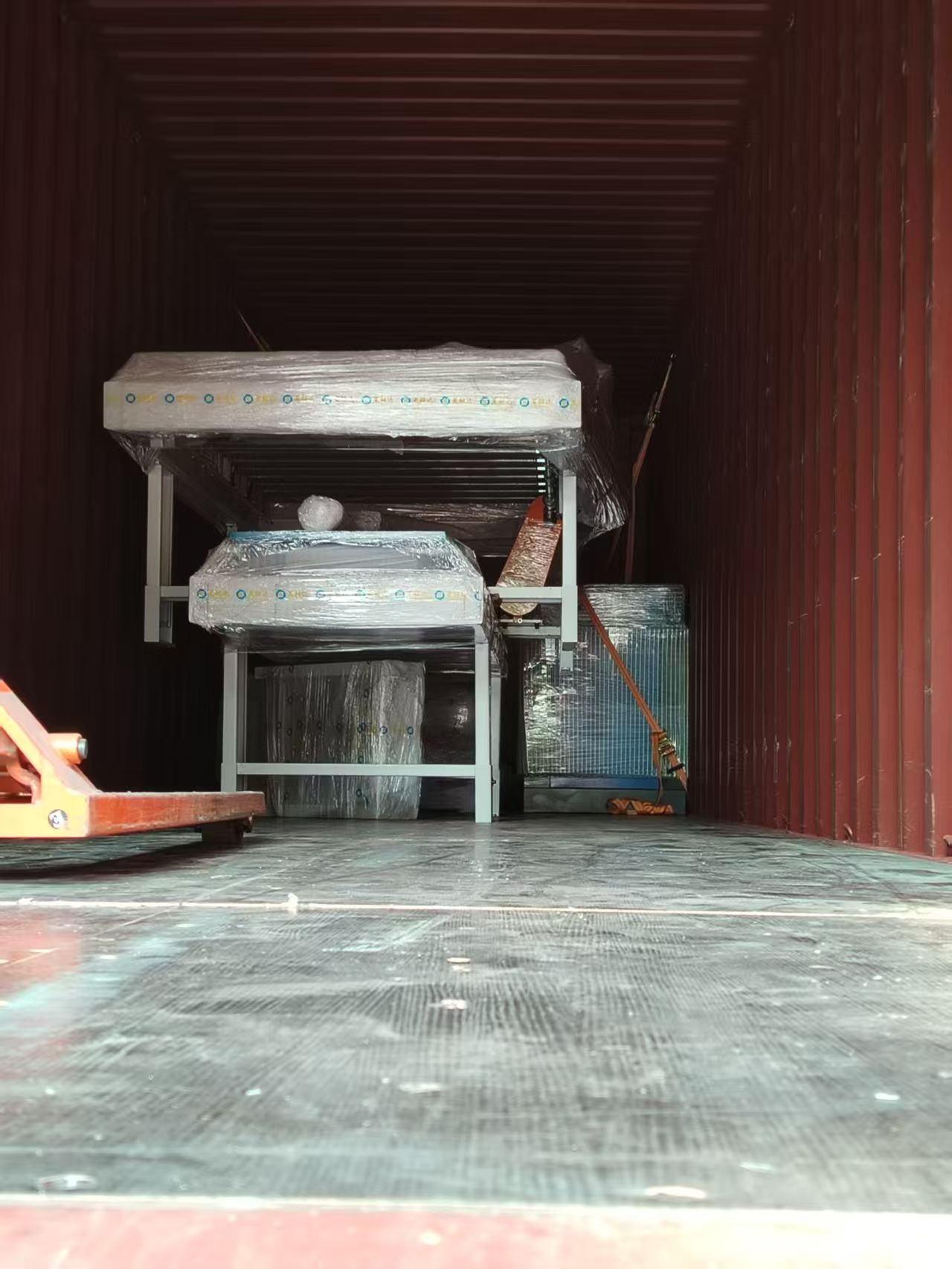
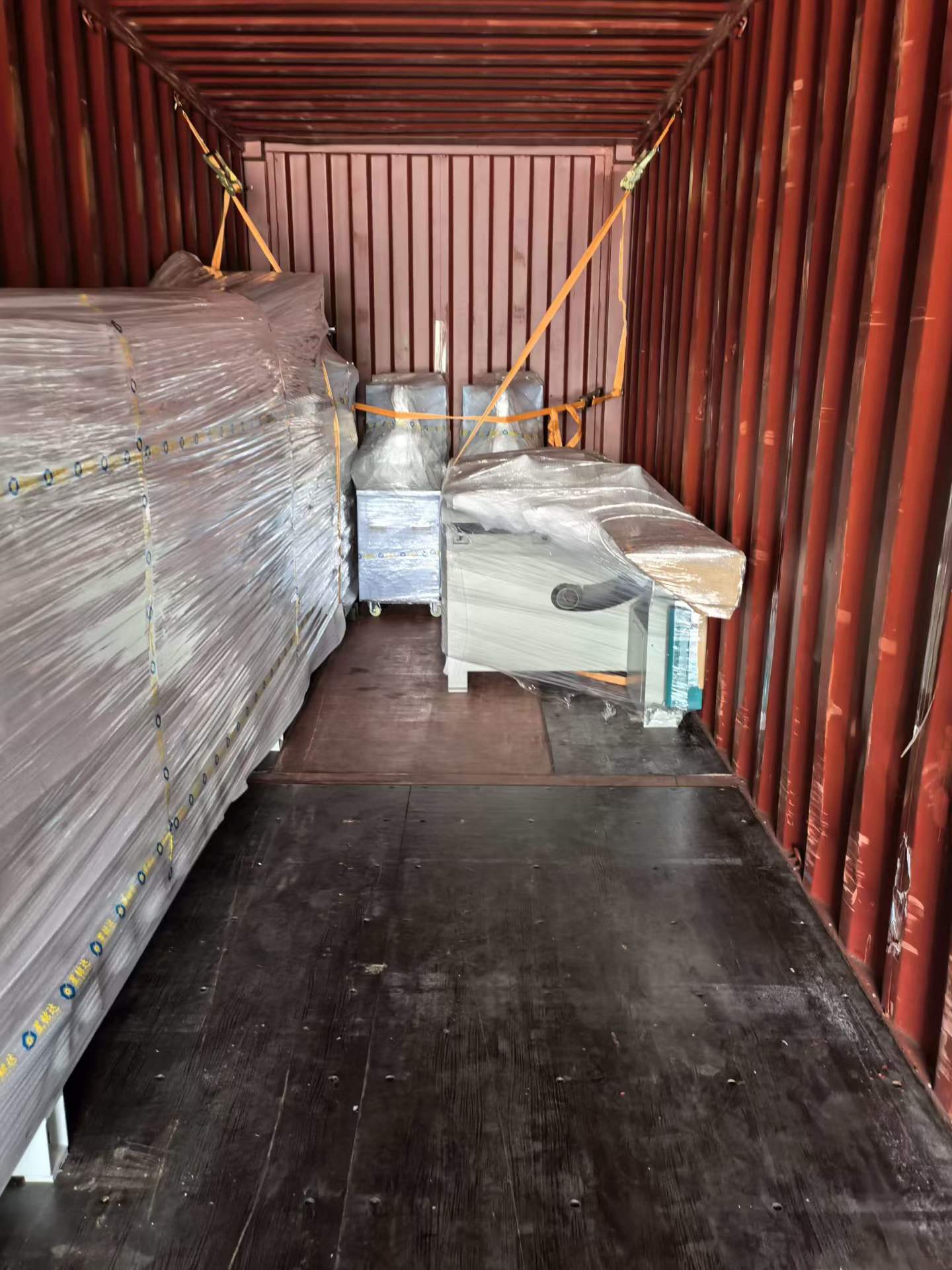
Preparing two containers of woodworking machinery involves coordination between manufacturing, equipment inspection, packing, loading, documentation, and transportation.
For international buyers, the value of this process lies in making sure that the equipment ordered is the equipment delivered, with the necessary accessories and documentation.
Step 1: Confirm the Order Configuration
The approved order should identify each machine model, its key specifications, included accessories, and any agreed customization.
A clear configuration list helps both the supplier and buyer check that the shipment corresponds to the purchase agreement.
Step 2: Complete Pre-Shipment Checks
Before dispatch, the relevant equipment should be checked against the agreed inspection requirements.
Depending on the machine, this may include mechanical assembly, control functions, feeding components, adhesive application systems, safety devices, and supplied accessories.
Where practical, buyers can request photographs or videos showing the machine configuration and the agreed pre-shipment checks.
Step 3: Organize Protective Packaging
Woodworking machinery contains mechanical components, electrical systems, and precision parts that require appropriate protection during transportation.
Packaging should be selected according to the equipment's dimensions, weight, transport method, and vulnerability to moisture, impact, or corrosion.
For multi-container orders, a clear packing list and component identification system help the buyer verify the contents and prepare for unloading.
Step 4: Coordinate Shipping Documents
The supplier, buyer, and freight forwarder should confirm the documents required for the shipment and destination.
Saudi Arabia's official customs guidance identifies documents such as the commercial invoice, bill of lading, and certificate of origin among the standard import documents, with additional requirements depending on the goods. Importers should verify the applicable tariff classification, product-specific requirements, and customs procedures with the relevant authorities or their customs broker before shipment. <Cite refs={["turn857519search1","turn857519search0"]}/>
Step 5: Prepare for Installation After Arrival
Shipping is not the final stage of a machinery project. Before the containers arrive, the buyer should prepare the workshop, electrical connections, materials, operators, and installation area.
The supplier and buyer should also confirm whether the order includes remote technical guidance, on-site commissioning, operator training, or other after-sales services.
For the two-container shipment to Saudi Arabia, the most useful case-study evidence includes actual loading photographs, the verified equipment list, and any available inspection records.
6. How Can Buyers Evaluate the Total Cost of a Machinery Investment?
The purchase price is only one part of the total investment. Buyers should also evaluate installation, operator training, adhesive consumption, maintenance, spare parts, production efficiency, and expected product quality.
A practical comparison should consider the following:
| Cost factor | Questions to ask |
|---|---|
| Initial equipment cost | Does the quotation include all required components? |
| Installation | Are setup and commissioning services included? |
| Production output | What practical output can be achieved with the intended materials? |
| Adhesive consumption | What process factors affect glue usage? |
| Labor requirements | How many operators are needed for the planned workflow? |
| Maintenance | Which components require routine inspection or replacement? |
| Spare parts | What should be stocked before production begins? |
| Downtime | What technical support is available if a problem occurs? |
| Product quality | Can the machine meet the required finish and bonding standards? |
A higher initial price may be justified if the equipment better matches the production process and reduces avoidable rework or operating costs. Conversely, additional automation may not be necessary for a factory with low production volume or frequent product changes.
The right decision should be based on the expected production workflow and the factory's actual investment priorities.
7. Why Work With Foshan xingmingda automatic Woodworking machinery Co.,Ltd?
Foshan xingmingda automatic Woodworking machinery Co.,Ltd was established in 2004 and specializes in the design and production of woodworking machinery, including profile wrapping machines, PUR wrapping machines, hot melt coating machines, flat lamination equipment, cold glue wrapping machines, and slotting machines.
For international buyers, the equipment selection process can cover product dimensions, adhesive requirements, working speed, automation level, workshop conditions, and delivery arrangements.
The company's equipment range provides options for different furniture and decorative-panel production applications. For Saudi projects, the final configuration should be confirmed against the buyer's product samples, production targets, electrical requirements, and installation conditions.
Before placing an order, buyers should request:
A model-specific technical specification
A clear quotation and accessories list
Drawings or sample testing where required
Agreed pre-shipment inspection arrangements
Packing information and shipping documentation
Written installation and after-sales service terms
The two-container shipment is an opportunity to demonstrate the company's export preparation and order coordination. Actual equipment photographs and a verified packing list can make the shipment news more informative for potential buyers.
8. What Information Should You Provide Before Requesting a Quotation?
A detailed inquiry allows the supplier to recommend a more suitable machine configuration.
Product requirements
Product type: flat panel, decorative profile, or grooved component
Product dimensions and thickness
Substrate and decorative surface material
Adhesive type, if already selected
Product drawings, photographs, or samples
Production requirements
Target output per shift or per day
Required working width and operating speed
Existing production equipment
Desired automation level
Available workshop space
Delivery and support
Destination country and city
Local electrical supply
Required delivery schedule
Installation and training expectations
Initial spare-parts requirements
With this information, Foshan xingmingda automatic Woodworking machinery Co.,Ltd can evaluate the requirements and discuss a suitable machine or production-line configuration.
Frequently Asked Questions
Q1: What woodworking machinery is commonly used in furniture manufacturing?
Depending on the product, factories may use profile wrapping machines, PUR wrapping machines, flat lamination machines, edge banding machines, slotting machines, and other material-processing equipment. The appropriate selection depends on the substrate, surface material, product geometry, and production workflow.
Q2: What should I check before importing woodworking machinery to Saudi Arabia?
Confirm the machine specifications, local electrical requirements, packaging, shipping responsibilities, required import documentation, installation arrangements, and after-sales service scope. The importer should verify applicable customs and product-specific requirements before dispatch.
Q3: Is PUR wrapping suitable for every decorative film and substrate?
No. Compatibility depends on the adhesive formulation, substrate, surface preparation, film properties, and process conditions. Buyers should confirm the intended material combination with the machine and adhesive suppliers, preferably through sample testing.
Q4: Can a supplier ship multiple woodworking machines in two containers?
Yes, provided the equipment dimensions, weights, packaging, loading plan, and shipping arrangements are coordinated. The actual number of machines and required container configuration depend on the order.
Q5: What after-sales support should overseas buyers request?
Ask whether the order includes remote technical guidance, on-site installation, operator training, spare-parts support, and troubleshooting assistance. Confirm the service scope and any additional charges in writing before ordering.
Conclusion: Planning Your Next Woodworking Machinery Purchase?
The two-container shipment to Saudi Arabia marks another export milestone for Foshan xingmingda automatic Woodworking machinery Co.,Ltd. More importantly, it highlights the value of matching machinery specifications, production requirements, packaging, and delivery arrangements before an international order is dispatched.
For furniture manufacturers and woodworking businesses in Saudi Arabia, the best equipment choice is the one that matches the actual products, adhesive system, production capacity, and workshop conditions.
Whether you are evaluating a profile wrapping machine, a PUR wrapping machine, a flat lamination machine, or a slotting machine, start with clear product requirements and a detailed technical review.
Planning to upgrade your woodworking production line?
Send us your product drawings, material specifications, target output, and workshop power information. Our team can help you evaluate a suitable equipment configuration and discuss the next steps for quotation, production, and delivery.
Foshan xingmingda automatic Woodworking machinery Co.,Ltd
Website: https://www.purmachinefactory.com/
Email: pattypeng@purmachinefactory.com
Contact us to discuss your woodworking machinery requirements for Saudi Arabia and other international markets.