
Two-Container Shipment to Iraq | PUR Wrapping Solutions for Furniture and Panel Production
When a woodworking machinery order is ready for export, the real challenge is not simply shipping equipment overseas. For a furniture or panel factory in Iraq, the more important questions are whether the machine can match local production requirements, maintain consistent adhesive application, handle different decorative materials, and support reliable operation after installation.
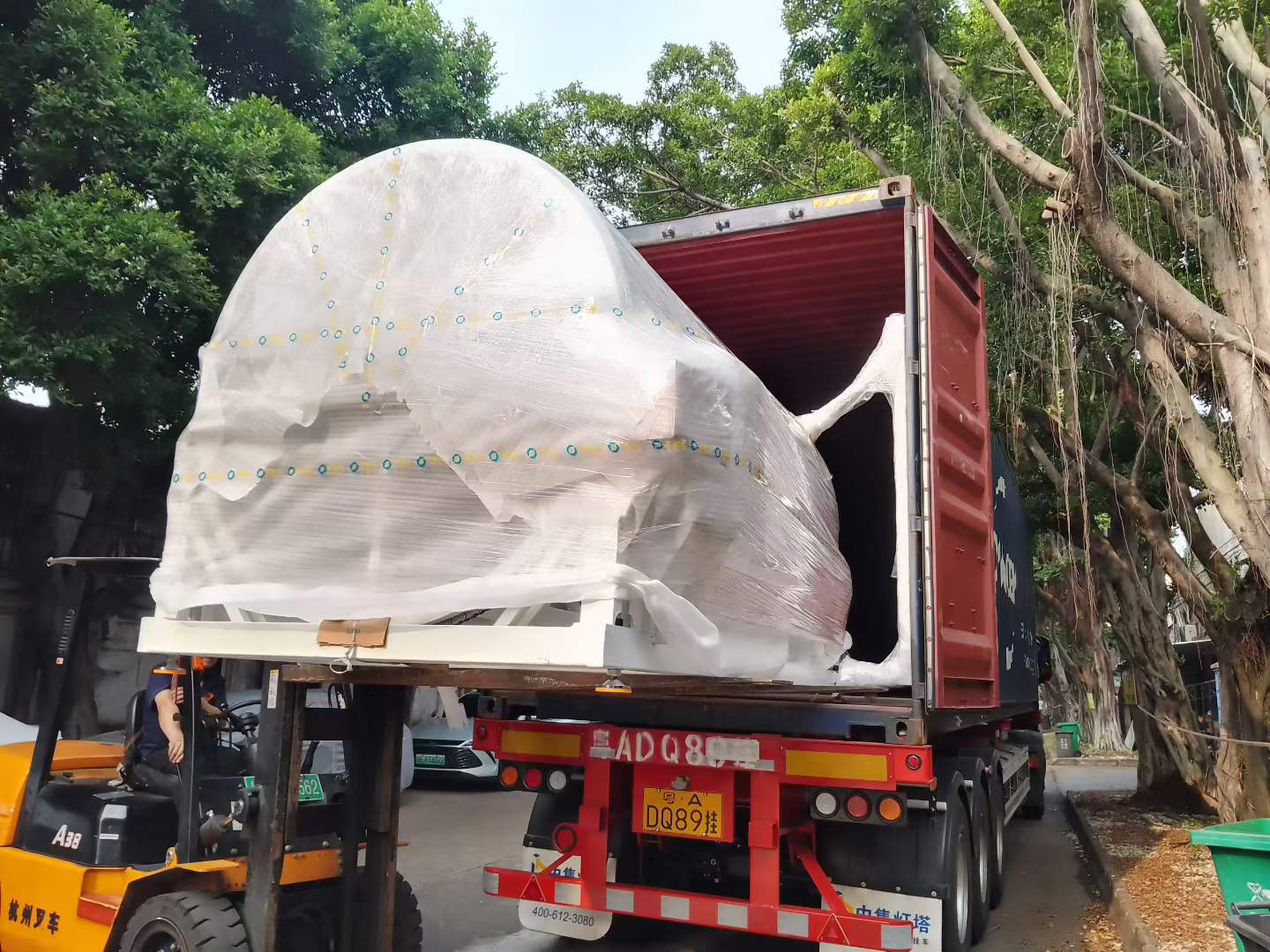
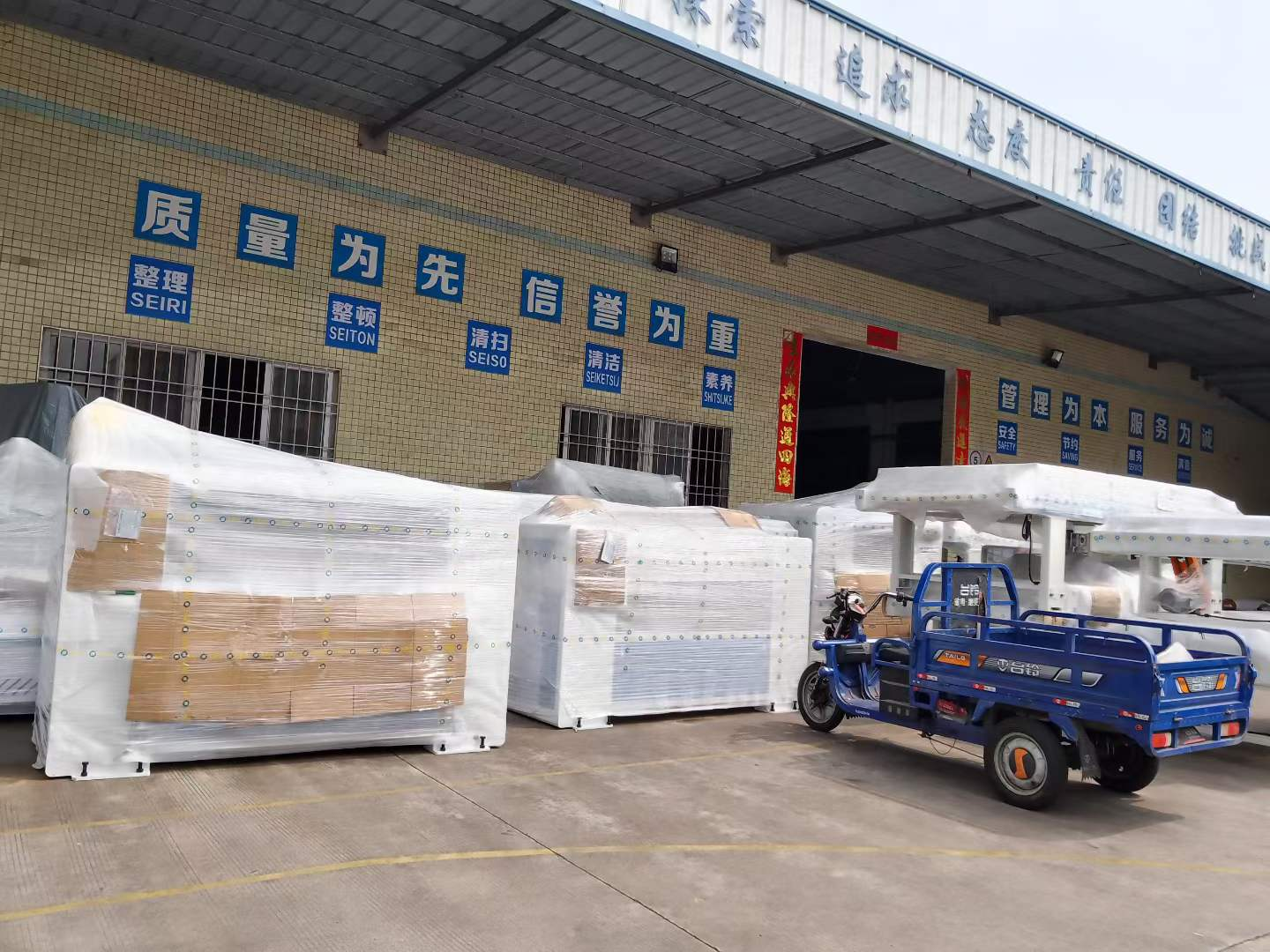
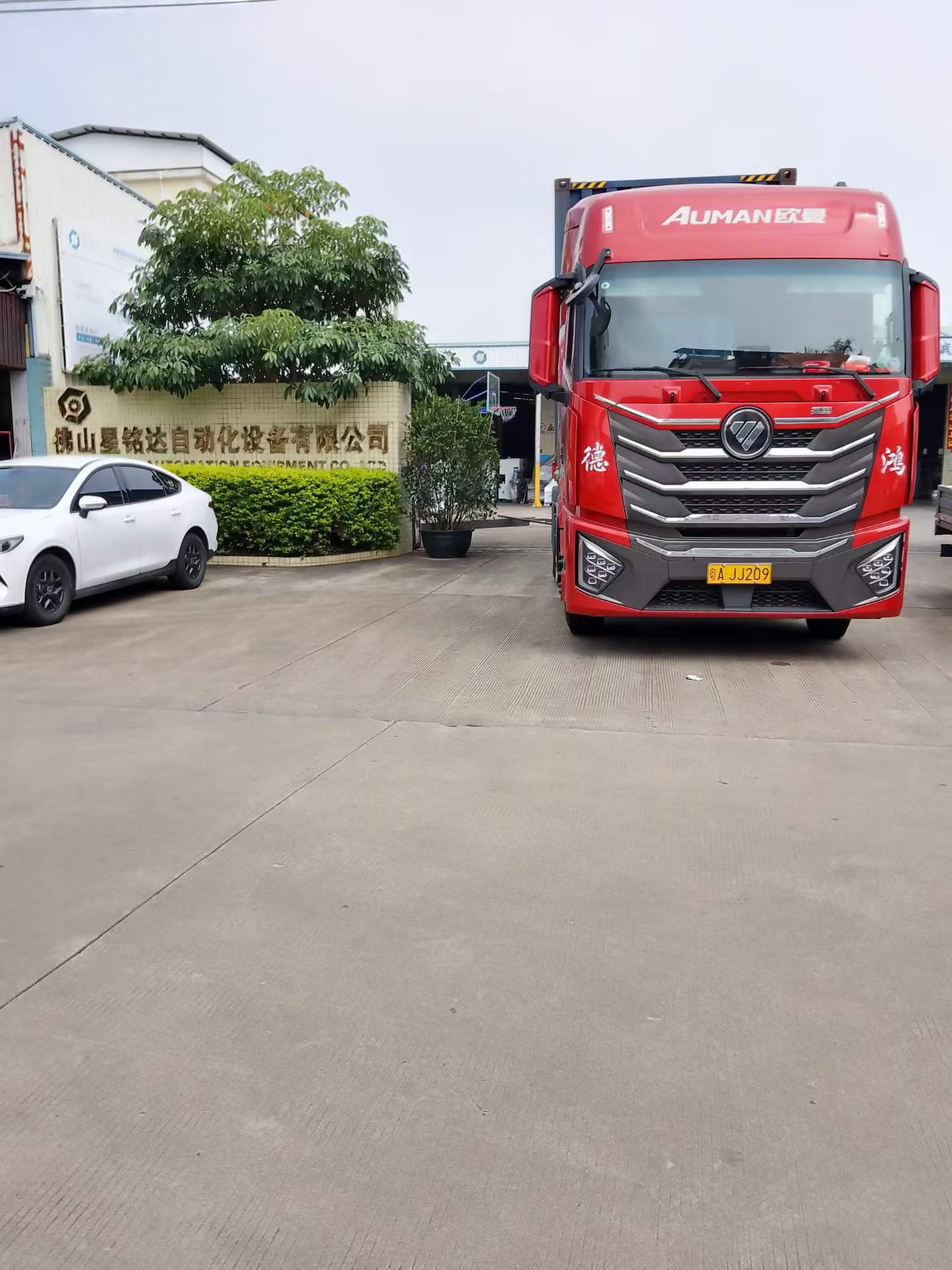
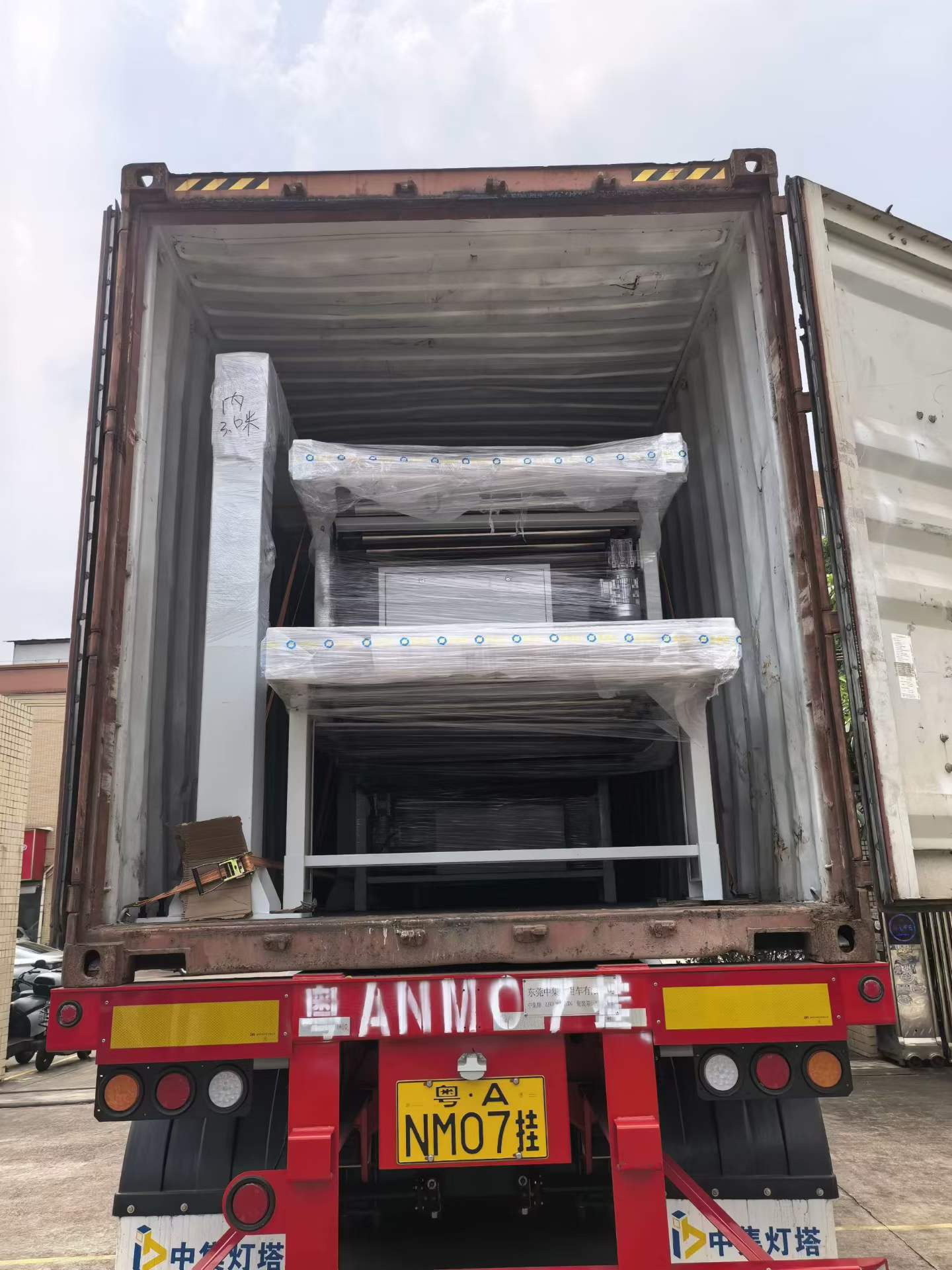
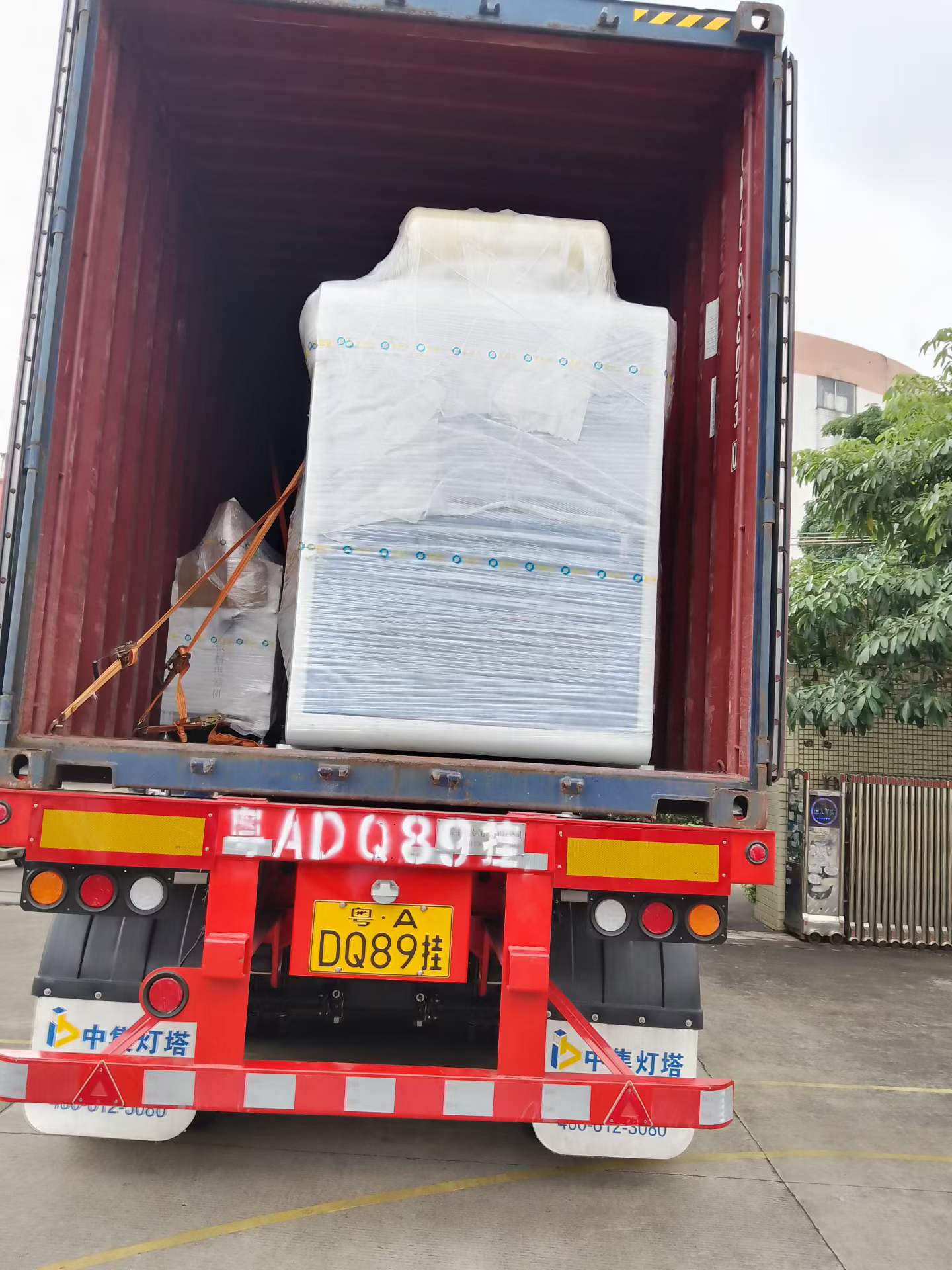
Recently, Foshan xingmingda automatic Woodworking machinery Co.,Ltd prepared a two-container shipment of woodworking machinery for Iraq. This shipment highlights an important part of international machinery procurement: buyers need more than an attractive equipment quotation. They need a manufacturing partner that understands production requirements, equipment configuration, export packaging, delivery coordination, and technical support.
For Iraqi furniture manufacturers, interior-decoration factories, and panel-processing businesses, a suitable PUR laminating machine or profile wrapping machine can help improve surface-finishing consistency and support a wider range of decorative products.
So, what should buyers evaluate before investing in PUR laminating and wrapping equipment for the Iraqi market?
This guide explains the equipment selection process, key technical parameters, application scenarios, and practical purchasing considerations.
1. Why Do Wood Factories in Iraq Need to Evaluate Their Laminating and Wrapping Equipment Carefully?
Woodworking factories in Iraq may produce furniture panels, cabinet components, decorative profiles, wall panels, doors, wardrobes, and other interior products. Their production requirements can vary considerably depending on customer specifications, substrate materials, decorative films, and factory capacity.
For manufacturers planning to upgrade their production lines, several questions deserve attention.
Can the Machine Maintain Consistent Bonding Under Changing Workshop Conditions?
High ambient temperatures can make workshop ventilation, adhesive storage, and process-temperature management particularly important. However, ambient temperature alone does not determine whether a machine will operate reliably.
The actual result depends on the complete production system, including:
Adhesive type and recommended processing temperature
Heating and temperature-control accuracy
Glue application consistency
Substrate flatness and surface preparation
Decorative film compatibility
Conveyor stability and pressing conditions
Equipment maintenance and operator procedures
A properly configured hot melt coating machine should apply adhesive according to the selected material and process requirements. Temperature control, glue delivery, and production speed should be evaluated together rather than treated as separate purchasing details.
For Iraqi factories operating in hot seasons, buyers should also confirm the recommended ambient operating range of the machine's electrical components, adhesive system, and control cabinet. If the production environment is unusually hot or dusty, additional ventilation, filtration, or cooling provisions may be necessary.
Can One Production Line Handle Different Furniture Products?
A factory producing only one type of decorative profile may have very different equipment needs from a manufacturer processing wide decorative boards and flat panels.
Before purchasing machinery, buyers should identify their main product categories:
MDF or other suitable board panels
Cabinet and wardrobe components
Decorative wall panels
Door frames and interior profiles
PVC, PET, wood-grain, or other compatible decorative films
Aluminum or other special profiles, where supported by the machine configuration
The key purchasing question is not simply whether a supplier offers a wrapping machine. It is whether the machine's working range, adhesive system, feeding method, and pressing configuration match the factory's actual product mix.
2. Which Equipment Should You Choose: A PUR Laminating Machine, Profile Wrapping Machine, or Hot Melt Coating Machine?
These machines serve related but different functions. Selecting the correct equipment begins with identifying the product geometry and the surface-finishing process.
PUR Laminating Machine: For Flat Panels and Decorative Surfaces
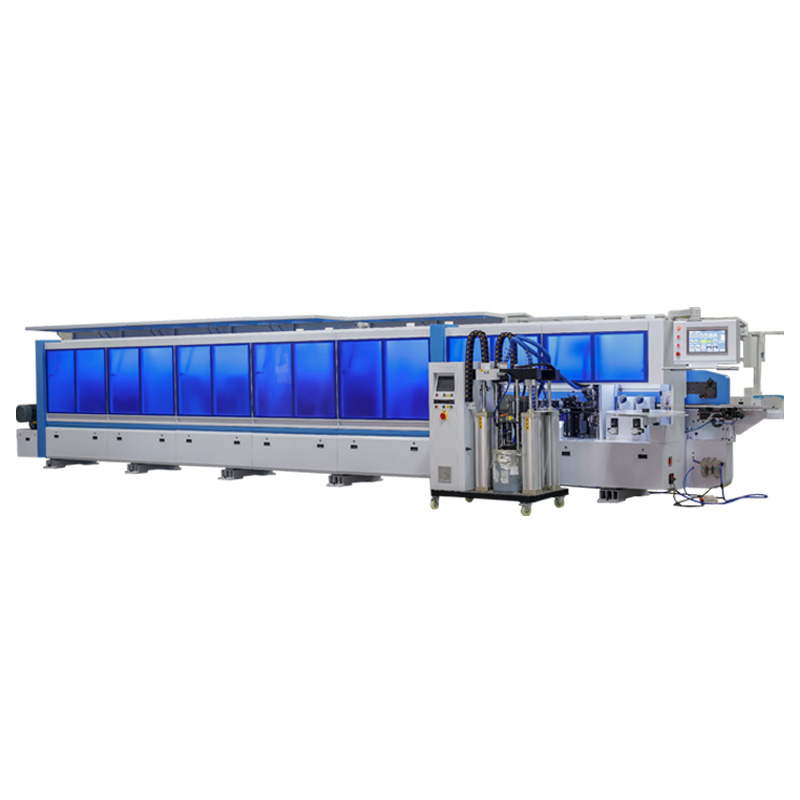
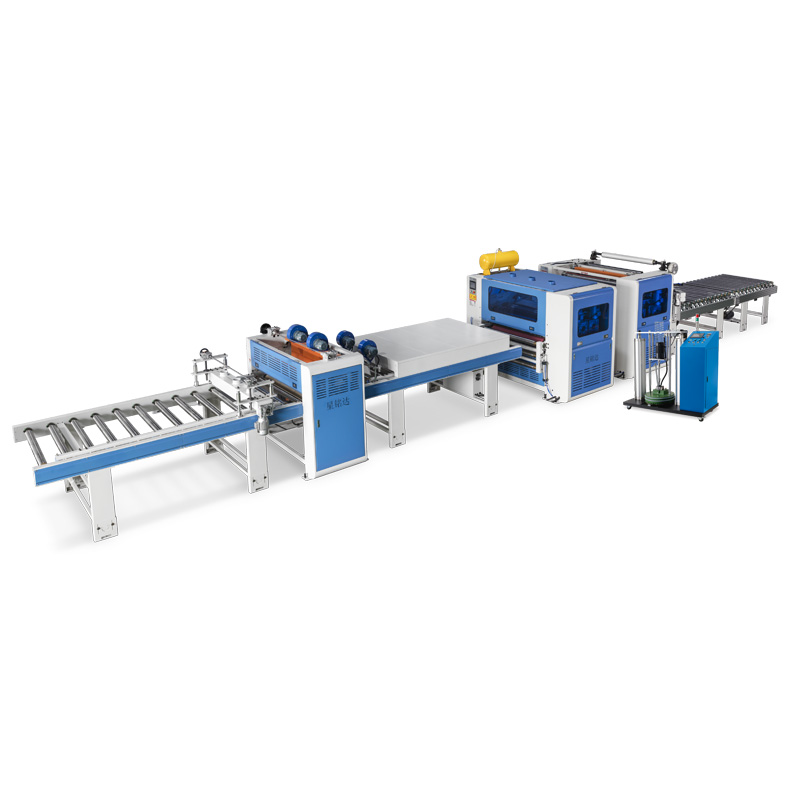
A PUR laminating machine is generally considered when a manufacturer needs to laminate suitable surface materials onto flat boards or panels using reactive polyurethane hot melt adhesive.
Depending on the configuration, applications may include:
Furniture and cabinet panels
Decorative wall panels
Wardrobe and interior components
Suitable MDF, particleboard, or other compatible substrates
Panel products requiring a consistent decorative finish
PUR adhesive can offer strong bonding and useful resistance to moisture, heat, or chemicals in appropriate applications. Actual performance depends on the adhesive formulation, substrate, surface preparation, curing conditions, and end-use requirements.
For procurement teams, the machine and adhesive should therefore be evaluated as one process system.
Profile Wrapping Machine: For Linear and Shaped Components
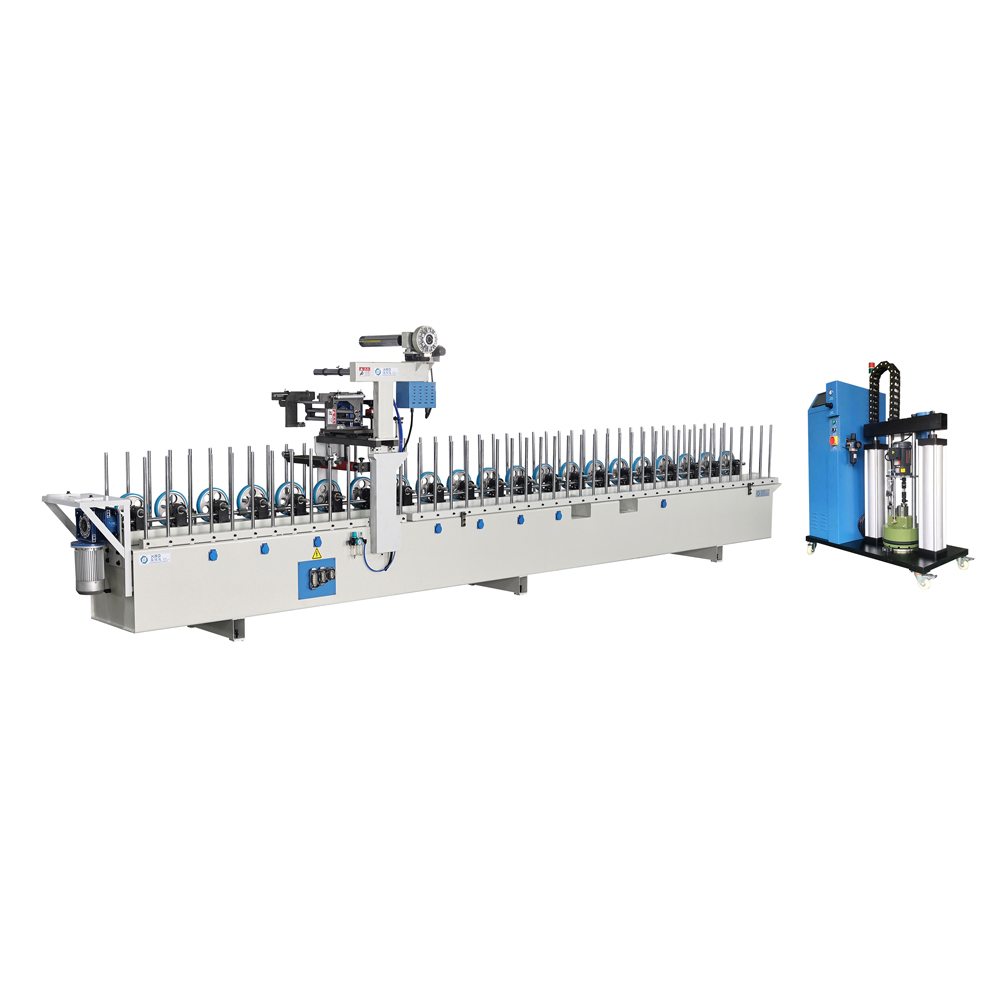
A profile wrapping machine is designed for wrapping compatible decorative materials around suitable profiles and elongated components.
Typical applications may include:
Decorative furniture profiles
Door and window trim
Cabinet frame components
Interior decorative strips
Other linear profiles with compatible shapes and dimensions
Buyers should confirm the profile's cross-section, dimensions, material, film type, wrapping direction, and required finish before selecting a machine.
For factories that produce both narrow profiles and wide panels, separate equipment may be more practical than expecting one machine to cover every application.
Hot Melt Coating Machine: For Controlled Adhesive Application
A hot melt coating machine focuses on applying hot melt adhesive to a substrate or surface material in a controlled manner.
Depending on the production line, it may be used as part of a laminating or wrapping process. Important factors include the adhesive type, coating width, required glue quantity, working speed, heating capacity, and compatibility with downstream equipment.
The correct configuration helps manufacturers control adhesive consumption while reducing the risk of uneven coating, excessive glue, or inconsistent bonding.
Quick Equipment Selection Guide
| Production requirement | Equipment to evaluate | Key purchasing question |
|---|---|---|
| Flat decorative panels | PUR laminating machine | Can it handle the panel width, thickness, film, and adhesive? |
| Long decorative profiles | Profile wrapping machine | Does the machine support the profile geometry and wrapping material? |
| Controlled hot melt application | Hot melt coating machine | Can glue quantity and temperature be controlled for the target process? |
| Mixed panel and profile production | A coordinated equipment configuration | Would separate machines improve product flexibility and changeover efficiency? |
For factories in Iraq, the best choice depends on the products being manufactured—not simply the machine category or purchase price.
3. Which Technical Parameters Should Iraqi Buyers Confirm Before Ordering?
A reliable purchasing decision requires a technical specification that can be checked before production and used during acceptance testing.
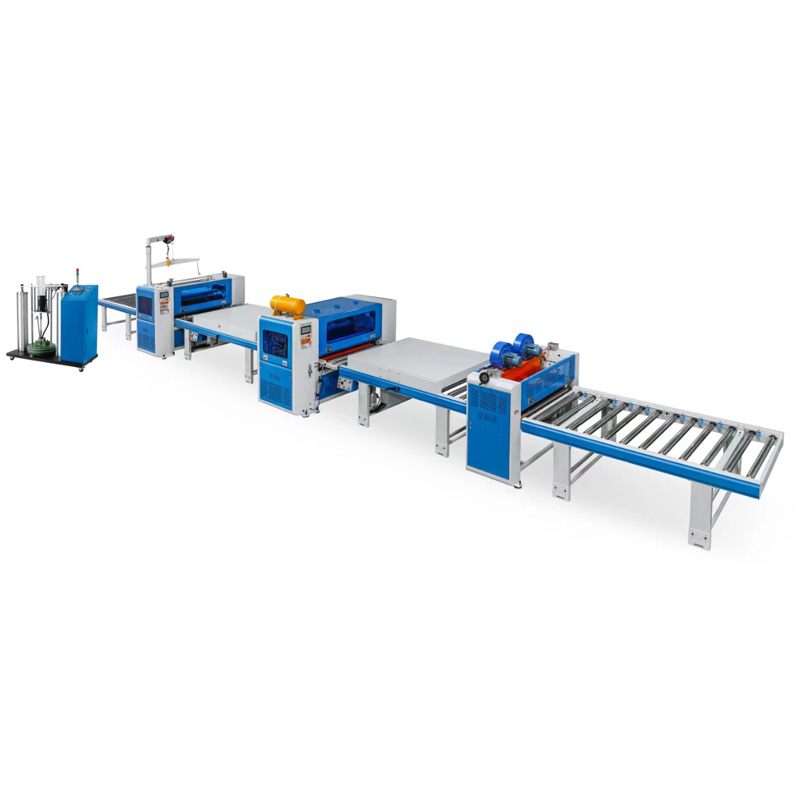
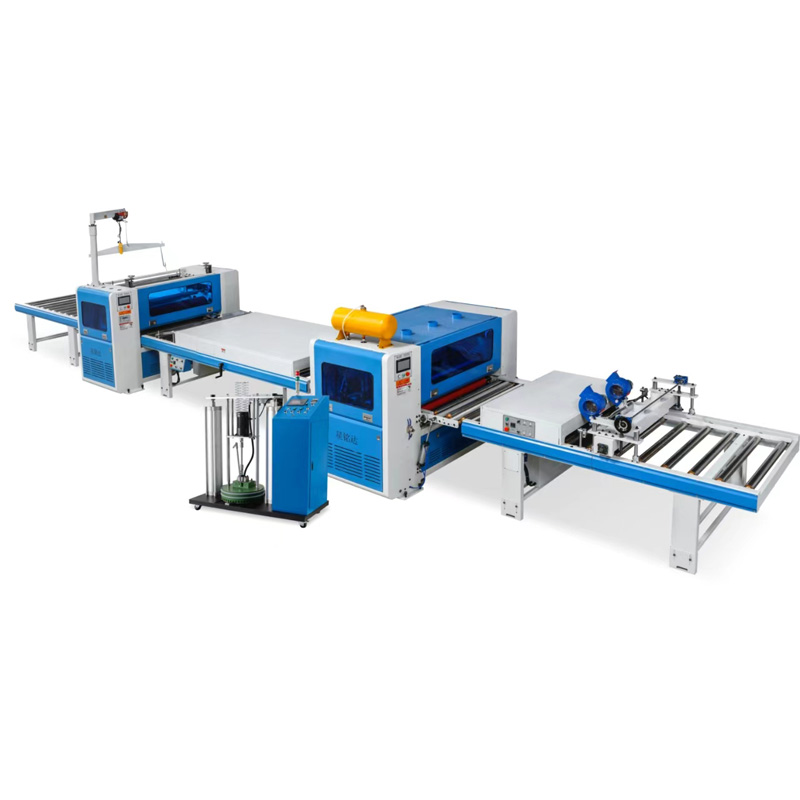
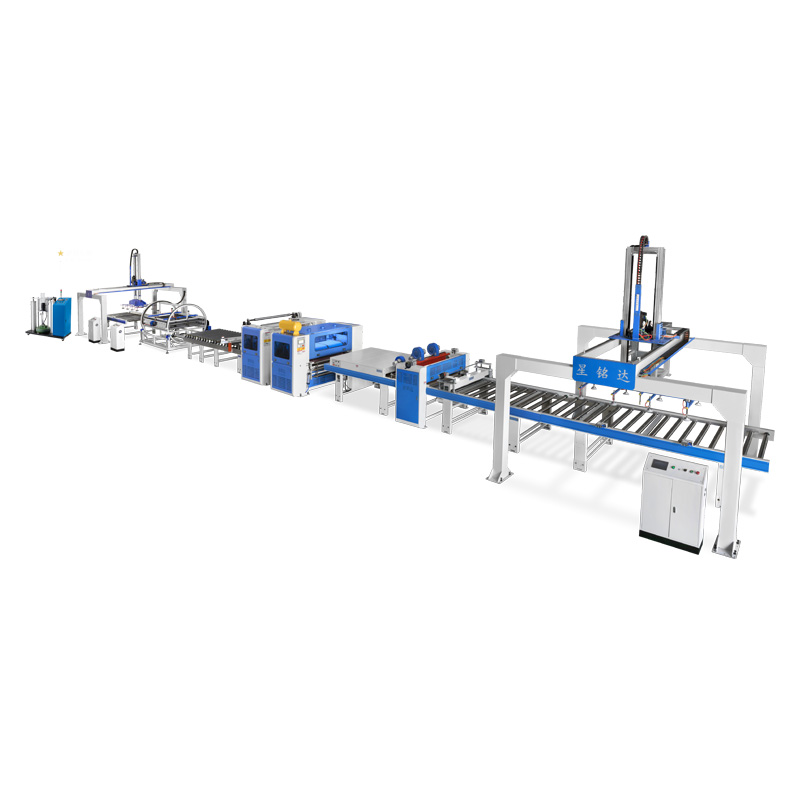
For example, the published specifications for Xingmingda's 1300 PUR Wrapping Machine list a maximum lamination width of 1300 mm, a working-speed range of 1–25 m/min, a maximum processing thickness of 50 mm, and a heating power of 25 kW. These are model-specific published specifications, not universal values for every machine. The final configuration should be confirmed with the supplier.
Technical Checklist for a PUR Laminating or Wrapping Machine
| Parameter | What the buyer should confirm | Why it matters |
|---|---|---|
| Working width | Maximum effective width required by the product | Prevents selecting equipment that is too narrow |
| Processing thickness | Minimum and maximum substrate thickness | Ensures compatibility with the product range |
| Working speed | Required stable production speed using actual materials | Helps estimate practical output |
| Adhesive type | PUR or another specified adhesive system | Determines heating, application, and cleaning requirements |
| Temperature control | Setpoint range, control method, and alarms | Supports process consistency |
| Glue application | Application method and adjustment range | Helps control coating uniformity |
| Substrate compatibility | MDF, particleboard, or other approved materials | Reduces the risk of poor adhesion or feeding issues |
| Surface material | PVC, PET, wood-grain film, or other compatible materials | Confirms process suitability |
| Feeding and pressing | Conveyor, roller, and pressure configuration | Influences surface quality and material handling |
| Electrical supply | Local voltage, frequency, and power requirements | Supports installation planning |
| Safety features | Emergency stop, guards, and relevant protections | Supports safe operation |
| Spare parts | Recommended wear parts and maintenance intervals | Helps plan future maintenance |
| Installation support | Remote guidance or on-site service options | Clarifies commissioning responsibilities |
Why Is Temperature Control Important in Hot Climates?
PUR hot melt adhesive must be processed within the temperature range specified by its manufacturer. Excessive heat, insufficient heat, unsuitable holding time, or incorrect application conditions may affect adhesive performance and production stability.
For buyers in Iraq, a practical pre-order discussion should cover:
The adhesive brand and grade intended for production.
The recommended melting and application temperatures.
The workshop's expected ambient temperature range.
The machine's temperature-control and alarm functions.
The maintenance procedures required for the adhesive delivery system.
The compatibility of the adhesive with the selected substrate and decorative film.
Do not assume that every PUR adhesive performs identically or that every machine can run every adhesive. Confirm the process using the actual materials and the adhesive supplier's recommendations.
4. How Can PUR Equipment Support Furniture Production in Iraq?
The value of woodworking machinery should be evaluated in terms of the finished products it enables a factory to manufacture.
Application 1: Cabinet and Wardrobe Manufacturing
Cabinet and wardrobe factories often need consistent decorative surfaces across repeated production batches.
A suitable PUR laminating machine may help apply compatible decorative materials to flat panels. Buyers should assess finished-surface appearance, bonding performance, processing speed, and material waste during sample testing.
Application 2: Decorative Wall Panels and Interior Components
Interior-decoration manufacturers may process wider panels or different decorative surface materials as their product range expands.
A machine with an appropriate working width and adjustable process settings can support this type of production, provided the substrate, adhesive, and surface material are compatible.
Application 3: Door Frames and Linear Decorative Profiles
A profile wrapping machine may be suitable for factories producing door frames, cabinet profiles, decorative strips, and other elongated components.
The equipment should be selected according to the profile dimensions and geometry, film characteristics, and required finish. Buyers should supply profile drawings or physical samples before finalizing the machine configuration.
Application 4: Expanding Product Range for Regional Customers
Manufacturers serving furniture retailers, contractors, distributors, and interior-decoration projects may need to process more than one substrate or decorative material.
Before investing in more versatile equipment, buyers should identify the expected product range and test the most challenging material combinations. This approach provides a more useful basis for equipment selection than relying on a general statement that a machine can handle multiple materials.
5. What Does the Two-Container Shipment to Iraq Demonstrate About Export Readiness?
A two-container shipment is an important logistics milestone, but the number of containers alone does not establish machine performance or customer satisfaction.
For overseas buyers, the more useful questions concern the preparation and delivery process behind the shipment.
Step 1: Confirm the Equipment Configuration
Before production is finalized, the supplier and buyer should align on machine models, processing dimensions, electrical requirements, accessories, and any agreed customization.
For machinery intended for Iraq, buyers should confirm the required local electrical supply and discuss the expected workshop environment before the final configuration is approved.
Step 2: Complete Production and Pre-Shipment Checks
Before packing, the supplier should check the agreed machine configuration and the relevant functions specified in the purchase contract.
Depending on the equipment, checks may cover:
Mechanical assembly and moving components
Heating and temperature-control functions
Glue delivery and application mechanisms
Conveyor and roller operation
Control system and safety functions
Accessories and supplied spare parts
Machine identification and documentation
Where practical, a factory acceptance test using agreed materials can help buyers assess whether the equipment is ready for dispatch.
Step 3: Protect Equipment During Overseas Transport
Machinery exported over long distances needs packaging suitable for its dimensions, weight, shipping method, and transport conditions.
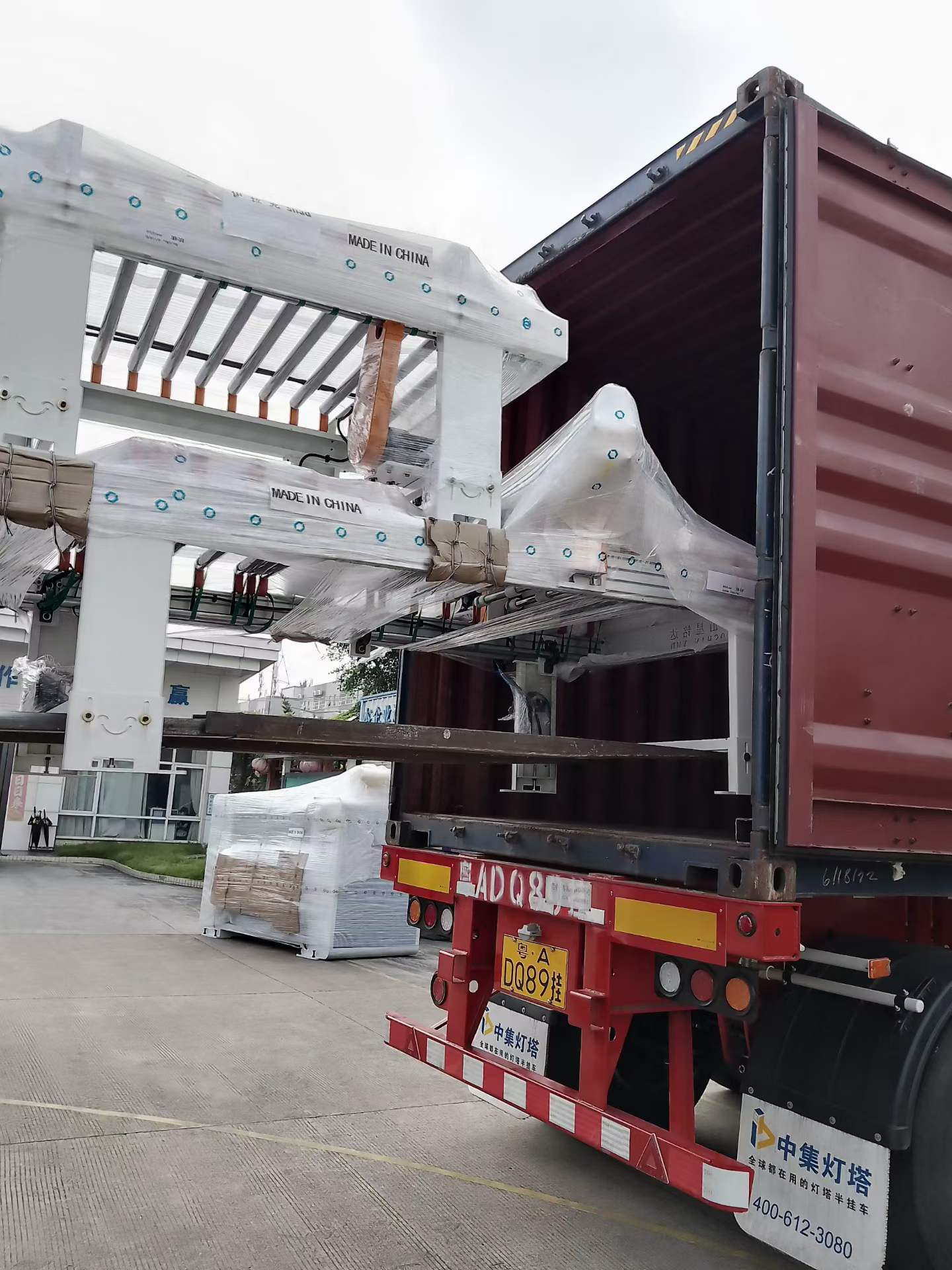
For a multi-container order, a packing plan should identify each machine, its accessories, and the corresponding packing list. Appropriate protection should be considered for exposed surfaces, electrical components, control cabinets, and other parts vulnerable to moisture, impact, or corrosion.
The actual packaging method should be documented with photographs before the containers are sealed. Buyers should also confirm who is responsible for loading, shipping arrangements, customs documentation, and destination handling.
Step 4: Coordinate Delivery and Installation
Shipping is only one stage of an overseas equipment project. The buyer should also plan unloading, workshop access, foundations or floor requirements where applicable, electrical connections, material supply, and operator preparation.
Before dispatch, confirm whether the agreed service includes remote installation guidance, video assistance, commissioning support, on-site technician service, or operator training. These arrangements should be written into the order rather than assumed.
For the Iraq shipment, photographs showing the equipment prepared for loading, the container-loading process, and the completed shipment can provide useful evidence of export preparation and delivery coordination.
6. How Should Buyers Evaluate Overseas After-Sales Support?
For an overseas machinery purchase, after-sales arrangements are part of the equipment decision—not an issue to address only after a problem occurs.
Before placing an order, Iraqi buyers should ask the supplier to clarify the following.
| Service item | Questions to confirm |
|---|---|
| Installation | Is remote guidance included? Is on-site service available? |
| Operator training | What operating and maintenance instructions are provided? |
| Technical response | Which communication channels are available, and during what hours? |
| Spare parts | Which parts are recommended for initial stocking? |
| Troubleshooting | What photos, videos, error codes, or test results should operators provide? |
| Warranty | What is the coverage period, and which components or situations are excluded? |
| Travel service | Who covers visas, travel, accommodation, and technician charges if on-site service is requested? |
For factories with limited experience operating PUR equipment, training in temperature settings, adhesive handling, shutdown procedures, and cleaning requirements can be particularly important.
A practical recommendation: request a written service scope with the quotation. This helps both parties understand what is included and reduces uncertainty after the machine arrives.
7. Why Consider Foshan xingmingda automatic Woodworking machinery Co.,Ltd?
For woodworking factories in Iraq, selecting an overseas supplier involves more than comparing machine prices. Buyers also need to evaluate the manufacturer's equipment range, customization process, production coordination, and support arrangements.
Foshan xingmingda automatic Woodworking machinery Co.,Ltd was established in 2004 and focuses on woodworking machinery, including PUR wrapping machines, hot melt coating machines, laminating machines, cold glue wrapping machines, and slotting machines.
The company's equipment range provides options for different production requirements, from profile wrapping to wider-panel processing. Its published product information includes model-specific technical specifications that buyers can use as a starting point for a detailed configuration discussion.
For an Iraq project, the supplier and buyer should work together to confirm:
The required machine models and production functions
Product drawings, dimensions, and material samples
Adhesive requirements and temperature-control needs
Production speed and expected output
Local power supply and workshop conditions
Export packing and shipping arrangements
Installation, training, and after-sales service scope
The two-container shipment provides a timely opportunity to show the factory's export preparation process. To make the case study more useful to prospective customers, the published article should include actual shipment photographs, the models shipped, and any verified information about the customer's intended production applications.
8. What Should You Send to Get a Suitable Machine Proposal?
A detailed inquiry helps the supplier recommend a configuration based on production needs rather than a generic machine description.
Before requesting a quotation, prepare the following information:
Product information
Product type: flat panel, decorative profile, or another component
Product dimensions and thickness
Material or substrate
Decorative film or surface material
Photos, drawings, or physical samples
Production requirements
Expected output per shift or per day
Required working width and stable production speed
Adhesive brand and grade, if already selected
Existing equipment and desired automation level
Workshop layout and available floor space
Export and service requirements
Destination: Iraq
Local voltage and frequency
Preferred shipping and delivery arrangements
Required installation and training support
Initial spare-parts requirements
With this information, Foshan xingmingda automatic Woodworking machinery Co.,Ltd can assess the production requirements and discuss a suitable PUR laminating machine, profile wrapping machine, or hot melt coating machine configuration.
Frequently Asked Questions
Q1: Can a PUR laminating machine operate in a hot workshop in Iraq?
Potentially, yes, if the machine, adhesive system, and electrical components are suitable for the actual operating environment. Buyers should confirm the equipment's specified ambient operating range and the adhesive manufacturer's processing recommendations. High workshop temperatures should not be treated as proof of suitability without verification.
Q2: What is the difference between a PUR laminating machine and a profile wrapping machine?
A PUR laminating machine is generally used to laminate compatible decorative materials onto flat panels, while a profile wrapping machine applies decorative material around suitable linear or shaped profiles. The correct choice depends on product geometry, material compatibility, and production requirements.
Q3: Which materials can a PUR wrapping machine process?
Depending on the model and configuration, equipment may process compatible PVC, PET, wood-grain films, aluminum films, or other surface materials. Substrates may include MDF, particleboard, and other approved boards. Final compatibility should be confirmed through actual material testing.
Q4: What should buyers check before importing woodworking machinery to Iraq?
Confirm the machine configuration, local electrical requirements, packing list, shipping responsibilities, installation arrangements, spare parts, and written after-sales service terms. Buyers should also clarify the import documentation and customs requirements applicable to their shipment.
Q5: Does a two-container shipment prove that a machine has been installed successfully?
No. Shipment evidence demonstrates that equipment was prepared for export and dispatched. Successful installation, commissioning, and production performance should be supported separately by verified site photographs, acceptance records, or customer feedback.
Conclusion: Is Your Factory Ready to Upgrade Its PUR Laminating and Wrapping Process?
For woodworking manufacturers in Iraq, a successful machinery investment starts with a clear understanding of product requirements, adhesive compatibility, workshop conditions, production targets, and after-sales support.
A suitable PUR laminating machine can support flat-panel finishing, while a properly configured profile wrapping machine can serve compatible decorative profile applications. A hot melt coating machine may be appropriate when controlled adhesive application is the main production requirement.
The two-container shipment to Iraq gives Foshan xingmingda automatic Woodworking machinery Co.,Ltd an opportunity to demonstrate its export preparation and international order coordination. For buyers considering new woodworking machinery to Iraq, the next step is to match the machine configuration to actual materials, dimensions, and production targets.
Planning a woodworking machinery project in Iraq?
Send us your product drawings, material samples, target output, and workshop power specifications. Our team can review your requirements and discuss an appropriate machine configuration.
Company: Foshan xingmingda automatic Woodworking machinery Co.,Ltd
Website: https://www.purmachinefactory.com/
Request a machine proposal based on your production requirements—not just a catalogue model.