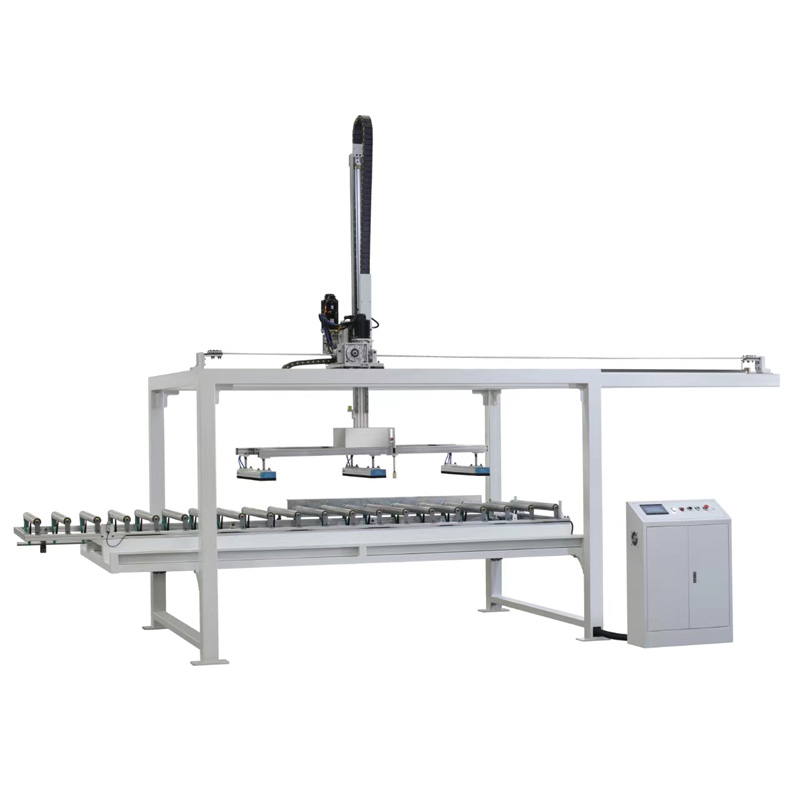
Customized Turnover Machine for Russian Customer | Xingmingda
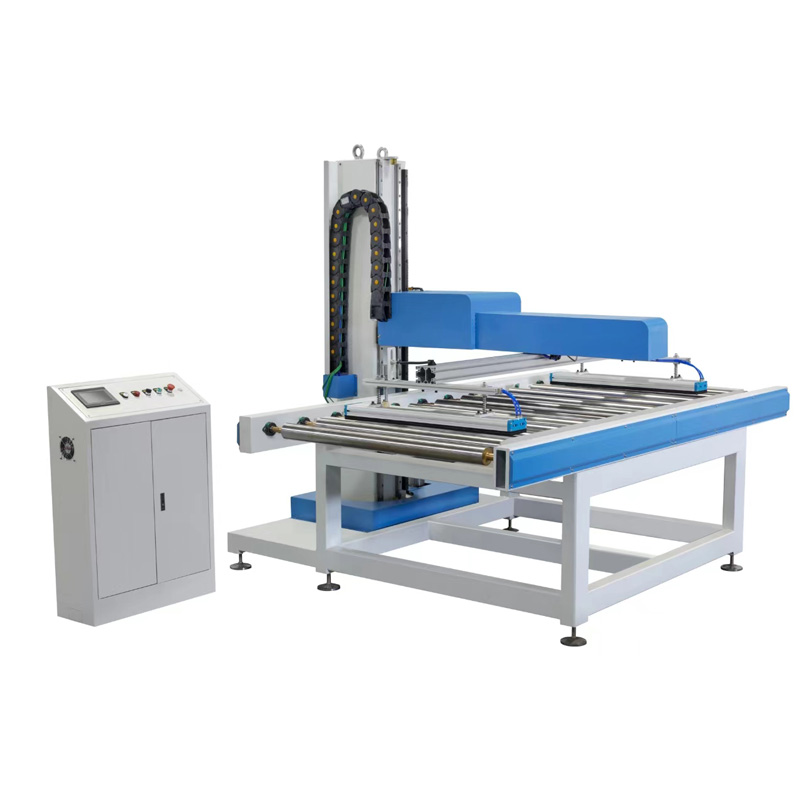
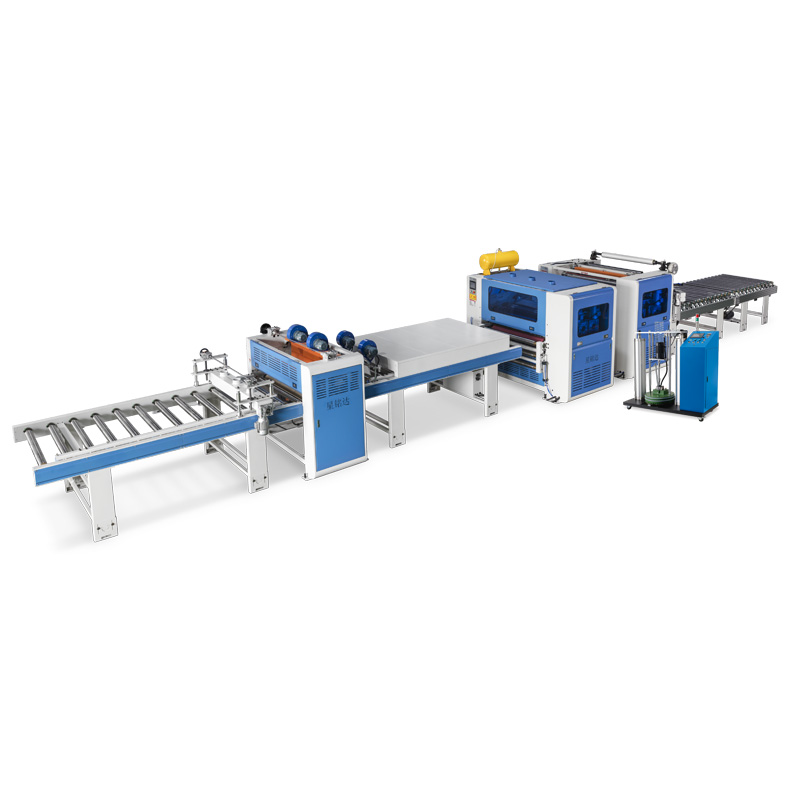
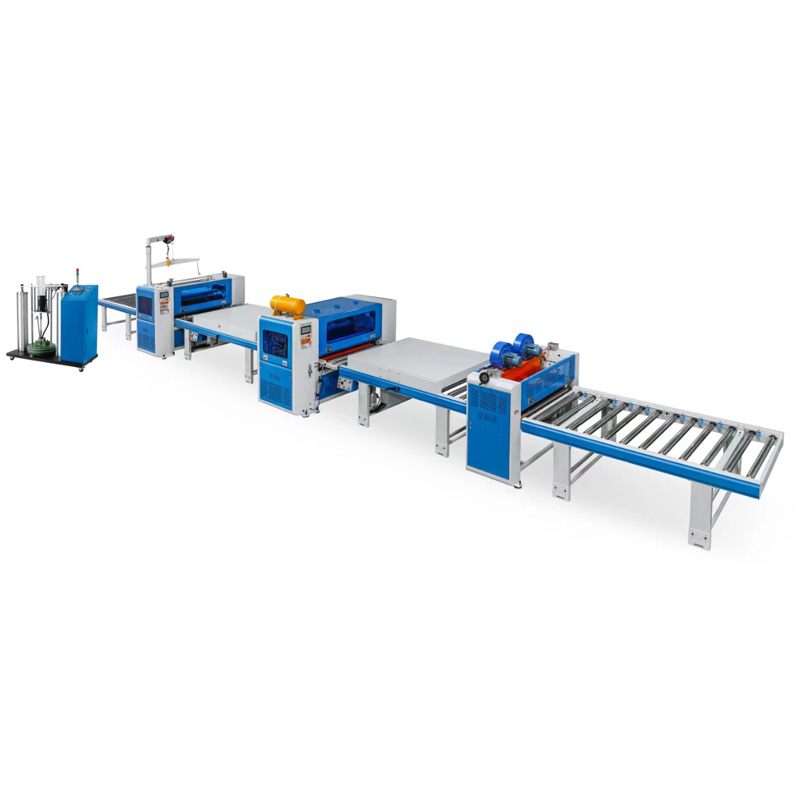
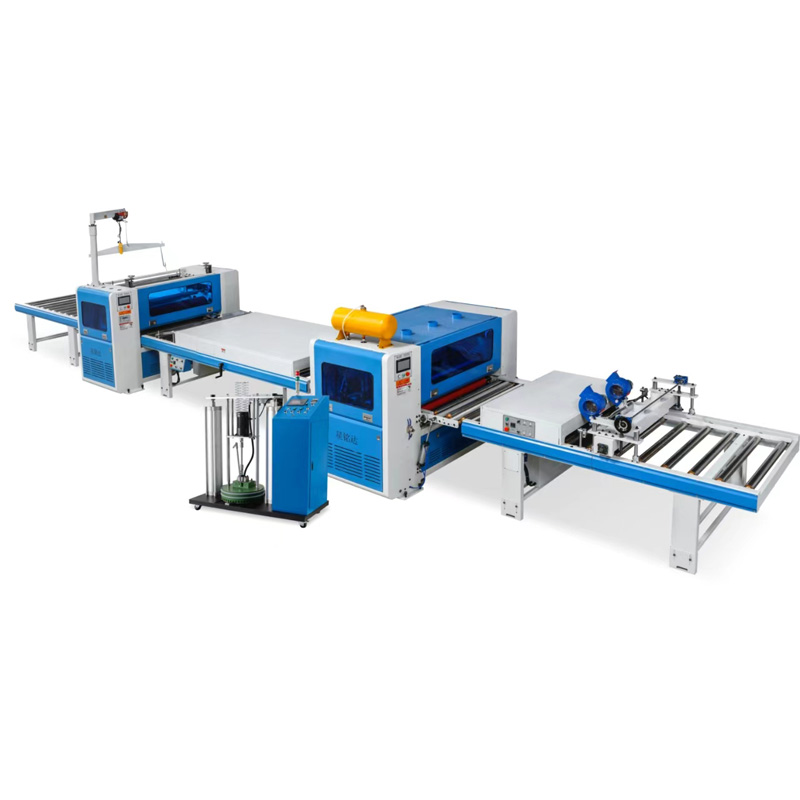
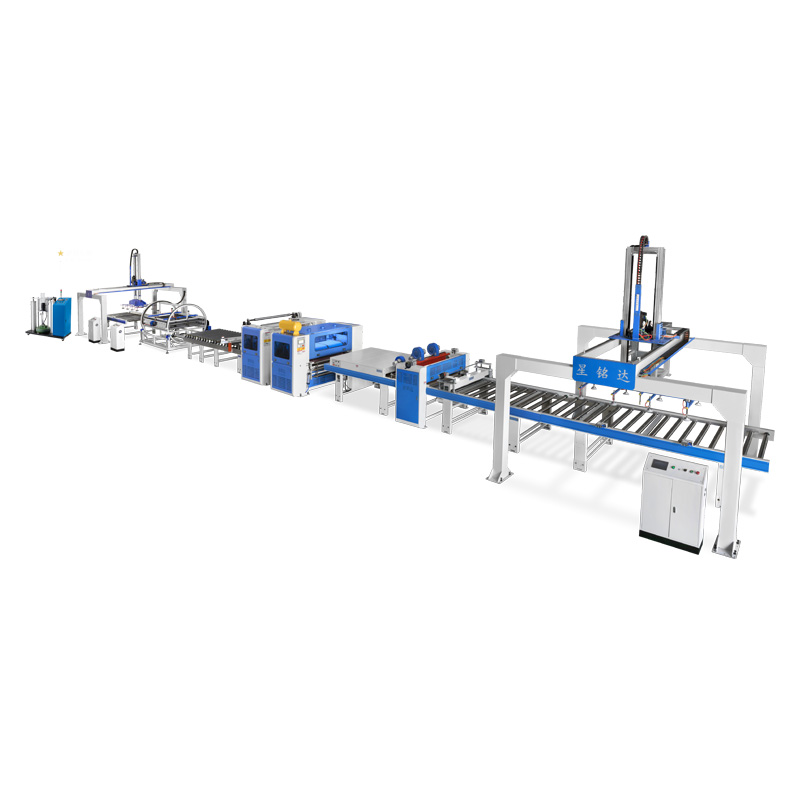
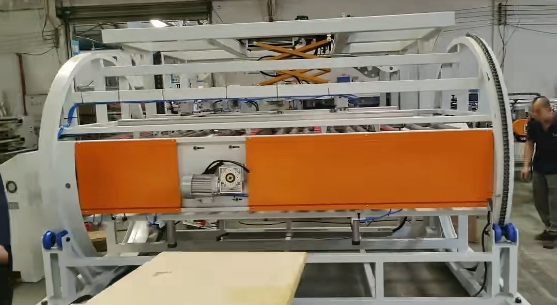
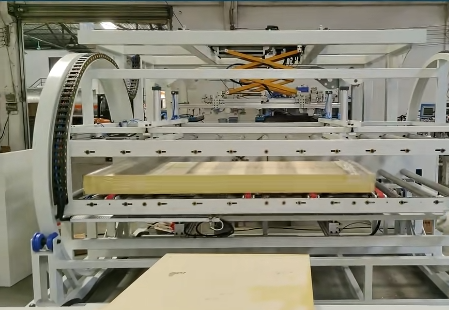
A customized side-discharge turnover machine designed for a Russian customer has successfully completed commissioning at Foshan Xingmingda Automatic Woodworking Machinery Co., Ltd. The machine was developed according to the customer's specific production and material-handling requirements.
After the equipment was delivered and put into operation, the customer expressed satisfaction with its working performance and practical application. More importantly, based on the positive experience with the customized solution, the customer placed an additional order.
For a woodworking machinery manufacturer, repeat orders are meaningful feedback. They show that the equipment is not only suitable on paper but also meets the customer's expectations during actual production.
This project also highlights an important purchasing consideration for overseas manufacturers: when standard material-handling equipment cannot match an existing production line, a customized panel turnover machine may offer a more practical solution.
So, what should buyers consider before ordering a customized turnover machine? How should they evaluate the equipment's technical parameters, side-discharge design, working capacity, and compatibility with their production line?
This article explains the key points from a practical purchasing perspective.
1. Why Do Woodworking Factories Need a Customized Turnover Machine?
In panel furniture and woodworking production, material handling is an important part of the overall manufacturing process.
Panels and workpieces may need to be transferred, repositioned, or turned between different processing stages. When these operations rely heavily on manual handling, factories may encounter several problems:
High labor requirements: Workers need to manually move and turn panels, increasing repetitive physical work.
Low handling efficiency: Manual operations may become a bottleneck when upstream and downstream machines operate continuously.
Unstable material transfer: Inconsistent positioning can affect the smooth connection between production processes.
Limited factory space: The direction of material discharge may not match the existing workshop layout.
Difficult production-line integration: Standard equipment may not fit the required working height, conveying direction, or discharge position.
These challenges are especially important when a factory has an existing production line and cannot easily change the positions of other machines.
A customized turnover machine can be designed around the actual handling route, including the turning function, conveyor direction, discharge side, and connection with adjacent equipment.
Why Is Side Discharge Important?
The discharge direction is not a minor configuration detail.
For factories with limited workshop space, side discharge can help match the material flow to the available production layout. Instead of requiring the workpiece to leave the machine from a conventional end position, the machine can be designed to transfer it toward a specified side.
However, whether side discharge is suitable depends on the factory's actual layout, workpiece dimensions, handling direction, and the position of the next machine.
That is why buyers should confirm the complete material flow before requesting a quotation.
2. How to Choose the Right Turnover Machine for Your Production Line?
Not every factory needs the same turnover machine. The appropriate solution depends on the workpiece, turning requirements, and production-line arrangement.
2.1 Confirm the Type of Workpiece
Start by identifying what the machine needs to handle.
Important information includes:
Panel or workpiece material
Maximum and minimum workpiece dimensions
Workpiece thickness
Individual workpiece weight
Surface characteristics
Whether the workpiece is fragile, coated, or easily scratched
Different materials and dimensions may require different support structures, contact surfaces, and handling methods.
For example, large decorative panels may require a different support arrangement from smaller or lighter workpieces.
2.2 Confirm the Required Turning Function
Buyers should clearly explain what the machine needs to do.
Questions to confirm include:
Does the workpiece need to be turned over completely?
Is a 180-degree turnover required?
Does the machine need to change the workpiece orientation?
Is the turnover process manual, semi-automatic, or automatic?
Does the machine need to operate continuously with upstream and downstream equipment?
The required turning motion determines the mechanical structure, control system, and safety design.
2.3 Choose the Correct Discharge Direction
For the Russian customer's project, the machine was customized with a side-discharge structure to match the customer's production requirements.
When selecting this configuration, buyers should confirm:
Left-side or right-side discharge
Conveyor feeding direction
Discharge height
Connection position with the next machine
Available installation space
Operator access and maintenance clearance
A clear layout drawing can help the manufacturer understand these requirements before production begins.
2.4 Consider Production-Line Integration
A turnover machine should not be evaluated as an isolated piece of equipment.
It needs to work with the surrounding production process.
Before choosing a solution, confirm whether the machine will connect with:
Roller conveyors
Panel processing equipment
Laminating or wrapping lines
Automatic loading and unloading systems
Other material-handling equipment
The goal is to make the transfer process compatible with the overall production flow.
3. What Technical Parameters Should Buyers Confirm Before Ordering?
For customized machinery, technical specifications should be confirmed according to the customer's actual workpieces and production requirements.
The following checklist can help buyers prepare for technical discussions.
| Technical Parameter | What Buyers Should Confirm | Why It Matters |
|---|---|---|
| Maximum workpiece length | Longest panel or workpiece to be handled | Determines machine support dimensions |
| Maximum workpiece width | Widest panel or workpiece | Affects the working structure and conveying area |
| Workpiece thickness | Minimum and maximum thickness | Helps determine support and handling configuration |
| Maximum load capacity | Maximum weight per workpiece or handling load | Determines structural and drive requirements |
| Turning angle | Required turning angle, such as 180° | Defines the turnover mechanism |
| Discharge direction | Left-side or right-side discharge | Ensures compatibility with the production layout |
| Feeding height | Height of the upstream conveyor or machine | Supports smooth material transfer |
| Discharge height | Required height for the next process | Prevents production-line connection problems |
| Working cycle | Required handling frequency or cycle time | Helps evaluate production capacity |
| Control system | Manual, semi-automatic, or automatic operation | Determines operating mode and integration requirements |
| Safety configuration | Guards, emergency stops, interlocks, and operating controls as applicable | Supports safe operation and maintenance |
Important: These are purchasing confirmation items, not published specifications for the Russian customer's machine. The final parameters should be confirmed in the approved technical drawing and machine specification.
Why Is Load Capacity Especially Important?
The machine must be designed around the actual workpiece weight and handling conditions.
Buyers should provide the maximum workpiece weight, not just the average weight. They should also explain whether the machine handles individual panels or multiple stacked workpieces.
This information helps the manufacturer evaluate the supporting structure, drive arrangement, and operating requirements.
Why Should Feeding and Discharge Heights Be Confirmed Together?
A turnover machine may have sufficient working capacity but still create problems if its feeding and discharge heights do not match the connected equipment.
For this reason, buyers should provide the heights of both upstream and downstream conveyors.
Confirming these dimensions during the design stage can reduce installation adjustments and improve production-line coordination.
4. Where Can a Customized Side-Discharge Turnover Machine Be Used?
A customized turnover machine may be considered in production environments where panels or workpieces need to be repositioned or turned between processing stages.
Typical potential applications include:
| Application | Material-Handling Requirement | Possible Equipment Role |
|---|---|---|
| Panel furniture production | Turning and transferring flat panels | Connects different panel processing stages |
| Decorative panel manufacturing | Repositioning panels during production | Supports continuous material handling |
| Woodworking production lines | Changing workpiece orientation | Reduces repeated manual handling |
| Laminating and surface finishing | Transferring panels between processes | Helps coordinate upstream and downstream equipment |
| Customized panel processing | Handling workpieces with specific dimensions | Provides a layout-based handling solution |
The final application depends on the machine's design, workpiece characteristics, and process requirements. Buyers should arrange a technical evaluation before confirming the equipment's suitability for a specific material or production line.
5. How Should You Evaluate a Customized Turnover Machine Supplier?
A customized machine requires more than a simple product quotation. Buyers need to evaluate whether the supplier can understand the production problem, translate it into a workable design, and deliver equipment that performs as expected.
Here are five important purchasing considerations.
5.1 Does the Supplier Understand Your Workshop Layout?
A reliable supplier should ask for more than the machine's required dimensions.
The supplier should understand:
Where the workpiece enters the machine
Where it needs to be discharged
Which direction it needs to turn
How it connects to adjacent equipment
How much installation space is available
Providing a workshop layout or a simple process diagram can make communication more accurate.
5.2 Can the Supplier Provide a Customized Design?
Standard equipment may not always fit an existing production line.
For a customized side-discharge turnover machine, buyers should confirm whether the manufacturer can adjust the machine structure, discharge direction, working height, and control arrangement according to the project.
A technical drawing should be reviewed and approved before manufacturing begins.
5.3 Can the Machine Be Tested Before Delivery?
Commissioning is an important step in customized equipment delivery.
Buyers should ask the manufacturer to check:
Turning movement and operating sequence
Feeding and discharge direction
Workpiece positioning
Operating stability
Control functions
Safety-related functions
Compatibility with the agreed technical requirements
Where possible, testing with representative workpieces can provide more useful feedback than an empty-machine demonstration.
5.4 Is the Equipment Suitable for Long-Term Production?
A machine that operates correctly during initial testing should also be evaluated for routine production.
Buyers should discuss structural design, drive components, maintenance access, wearing parts, and operating procedures.
These details can influence equipment availability and maintenance requirements over time.
5.5 Does the Manufacturer Support Repeat Projects?
For overseas customers, long-term cooperation often depends on whether the supplier can respond to new production requirements.
The ability to understand previous machine configurations, discuss modifications, and provide consistent technical communication is valuable when a customer plans to expand or upgrade an existing production line.
The Russian customer's additional order after using the customized machine is a practical example of how a successful equipment project can develop into repeat cooperation.
6. How Did Xingmingda Complete the Customized Solution for the Russian Customer?
At Foshan Xingmingda Automatic Woodworking Machinery Co., Ltd., we understand that different woodworking factories have different production layouts and material-handling requirements.
For this Russian customer, a standard machine configuration was not the only consideration. The project required a customized turnover machine with a side-discharge arrangement.
The project focused on matching the equipment structure and material-transfer direction to the customer's actual production needs.
From Customer Requirements to Machine Commissioning
The project can be understood through several key stages:
Step 1: Understand the customer's requirements
Discuss the workpiece characteristics, handling process, required turnover function, and discharge direction.
Step 2: Confirm the customized structure
Evaluate the side-discharge arrangement and the machine's connection with the existing production process.
Step 3: Confirm technical details
Review the working dimensions, load requirements, feeding and discharge positions, and operating functions.
Step 4: Manufacture and assemble the equipment
Complete the machine according to the confirmed technical configuration.
Step 5: Carry out commissioning
Check the machine's operating functions and verify that the customized arrangement meets the agreed requirements.
Step 6: Deliver the equipment and collect customer feedback
After delivery and use, the customer recognized the practical performance of the customized solution and placed an additional order.
Why Does This Repeat Order Matter?
In B2B machinery purchasing, the first order is only the beginning of a supplier relationship.
A customer may evaluate the equipment through its actual operation, handling efficiency, stability, and suitability for the existing production process.
When the equipment meets expectations, the customer is more likely to consider the same manufacturer for subsequent projects.
For Foshan Xingmingda Automatic Woodworking Machinery Co., Ltd., this Russian customer project represents more than a completed machine. It reflects the value of understanding customer requirements, providing customized equipment, and maintaining long-term cooperation.
7. What Should Overseas Buyers Prepare Before Requesting a Customized Turnover Machine?
To help manufacturers evaluate a project efficiently, buyers should prepare the following information before requesting a quotation.
| Information | Recommended Details |
|---|---|
| Workpiece photos | Front, side, and top views |
| Workpiece dimensions | Maximum and minimum length, width, and thickness |
| Workpiece weight | Maximum weight per panel or handling unit |
| Turning requirement | Required turning angle and operating sequence |
| Discharge direction | Left-side or right-side discharge |
| Production-line layout | Position of upstream and downstream equipment |
| Feeding height | Existing conveyor or machine height |
| Discharge height | Required connection height |
| Production target | Required handling cycle or output |
| Automation requirements | Manual, semi-automatic, or automatic operation |
A short video showing the current material-handling process can also help the manufacturer understand the problem.
With these details, the supplier can evaluate the project more accurately and discuss a suitable customized solution.
8. Frequently Asked Questions About Customized Turnover Machines
Q1: What is a side-discharge turnover machine?
A side-discharge turnover machine is a material-handling device designed to turn or reposition workpieces and discharge them toward a specified side. Its structure and working direction can be customized according to the production-line layout.
Q2: Can a turnover machine be customized for an existing production line?
Yes, a customized solution can be evaluated according to the existing equipment arrangement, workpiece dimensions, feeding height, discharge height, and material-transfer direction. Buyers should provide a layout drawing and relevant technical information.
Q3: What information is required to design a customized turnover machine?
The main information includes workpiece dimensions, maximum weight, material characteristics, required turning angle, feeding and discharge directions, conveyor heights, production cycle, and automation requirements.
Q4: How do I choose the correct load capacity?
The maximum workpiece weight should be confirmed before machine design. Buyers should also explain whether the machine handles individual workpieces or multiple items at once. The manufacturer can then evaluate the required structure and drive configuration.
Q5: Can the discharge direction be changed?
The discharge direction depends on the machine design. For a customized project, buyers should confirm whether they need left-side or right-side discharge before manufacturing begins.
Q6: Why is commissioning important for customized machinery?
Commissioning helps verify the operating sequence, movement, positioning, discharge direction, control functions, and other agreed requirements. It is an important step before equipment delivery and production use.
Q7: Can Xingmingda provide other woodworking machinery?
Foshan Xingmingda Automatic Woodworking Machinery Co., Ltd. designs and manufactures woodworking equipment including hot melt coating machines, wrapping machines, hot glue wrapping machines, cold glue wrapping machines, grooving machines, and PUR hot melt laminating machines.
Buyers can discuss their production requirements with our team to identify suitable equipment and customized configurations.
9. Looking for a Customized Woodworking Machinery Solution?
The successful commissioning of the customized side-discharge turnover machine for our Russian customer demonstrates the importance of matching equipment design with real production requirements.
More importantly, the customer's positive experience and additional order provide valuable recognition of the customized solution.
At Foshan Xingmingda Automatic Woodworking Machinery Co., Ltd., we focus on understanding each customer's manufacturing process and providing woodworking machinery solutions based on practical application requirements.
Whether you need a customized turnover machine, a PUR wrapping machine, a hot melt coating machine, a grooving machine, or a PUR hot melt laminating machine, our team welcomes your project inquiries.
Contact us to discuss your customized woodworking machinery requirements.
To help us evaluate your project, please send:
Product or workpiece photos
Workpiece dimensions and maximum weight
Required turning and discharge direction
Existing production-line layout
Expected production capacity
Our team will review your requirements and discuss a suitable equipment configuration.
Foshan Xingmingda Automatic Woodworking Machinery Co., Ltd.
Website: www.purmachinefactory.com
Email: pattypeng@purmachinefactory.com
Xingmingda — Customized woodworking machinery solutions for your production needs.