
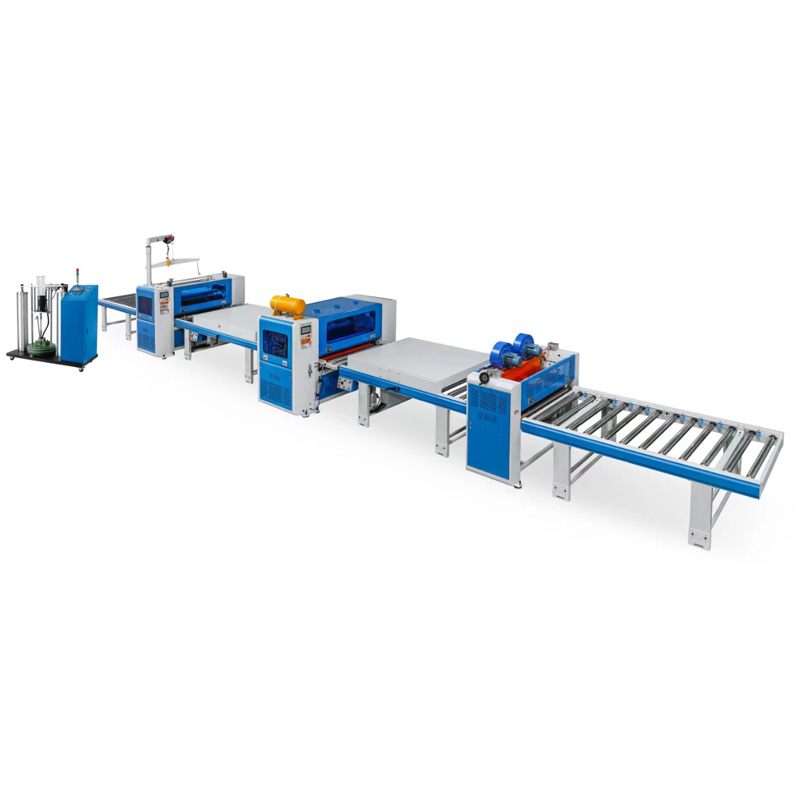
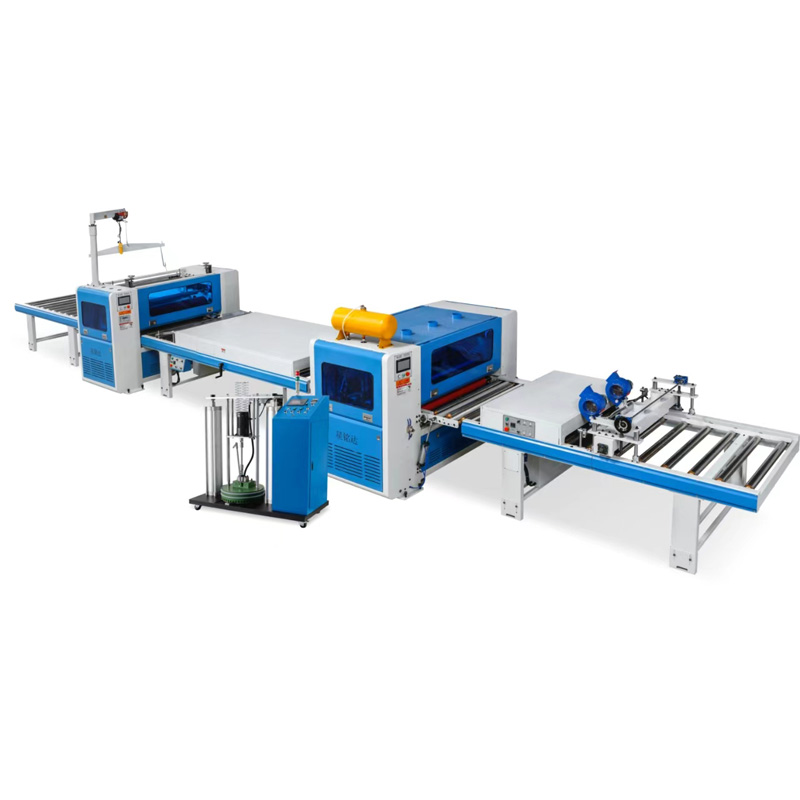
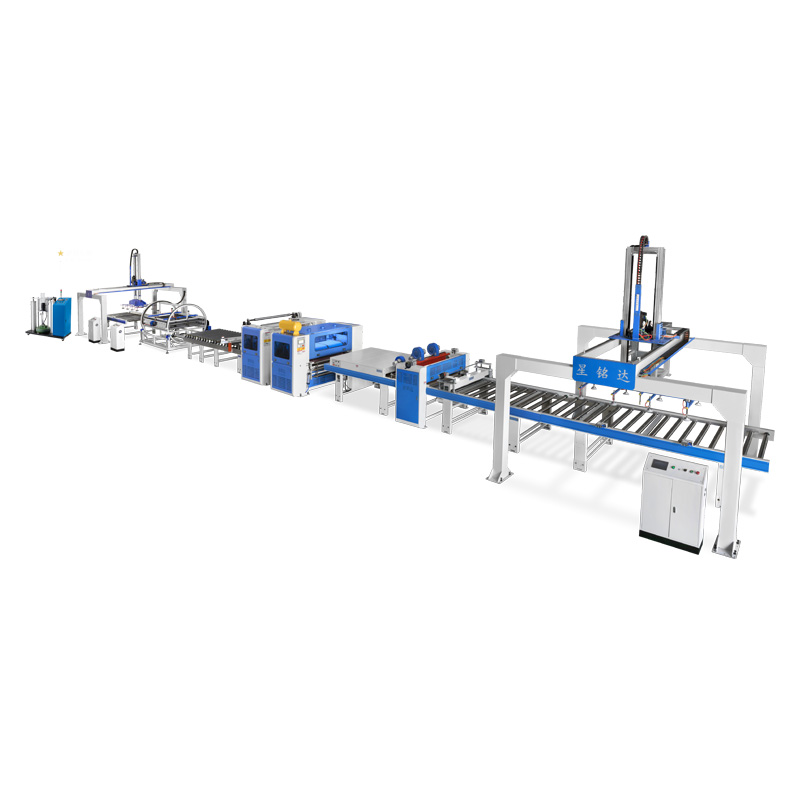
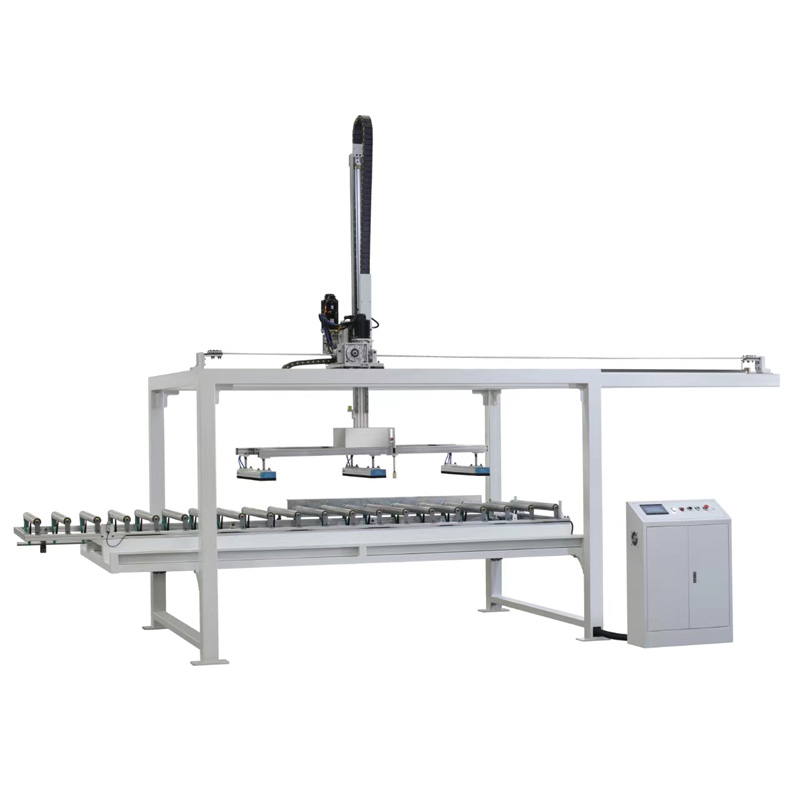
For furniture manufacturers, door producers, interior contractors, and profile-processing companies in Saudi Arabia, investing in a wrapping machine is rarely just a question of machine price. The more important question is whether the equipment can match the company’s profile sizes, wrapping materials, adhesive system, production volume, and future product plans.
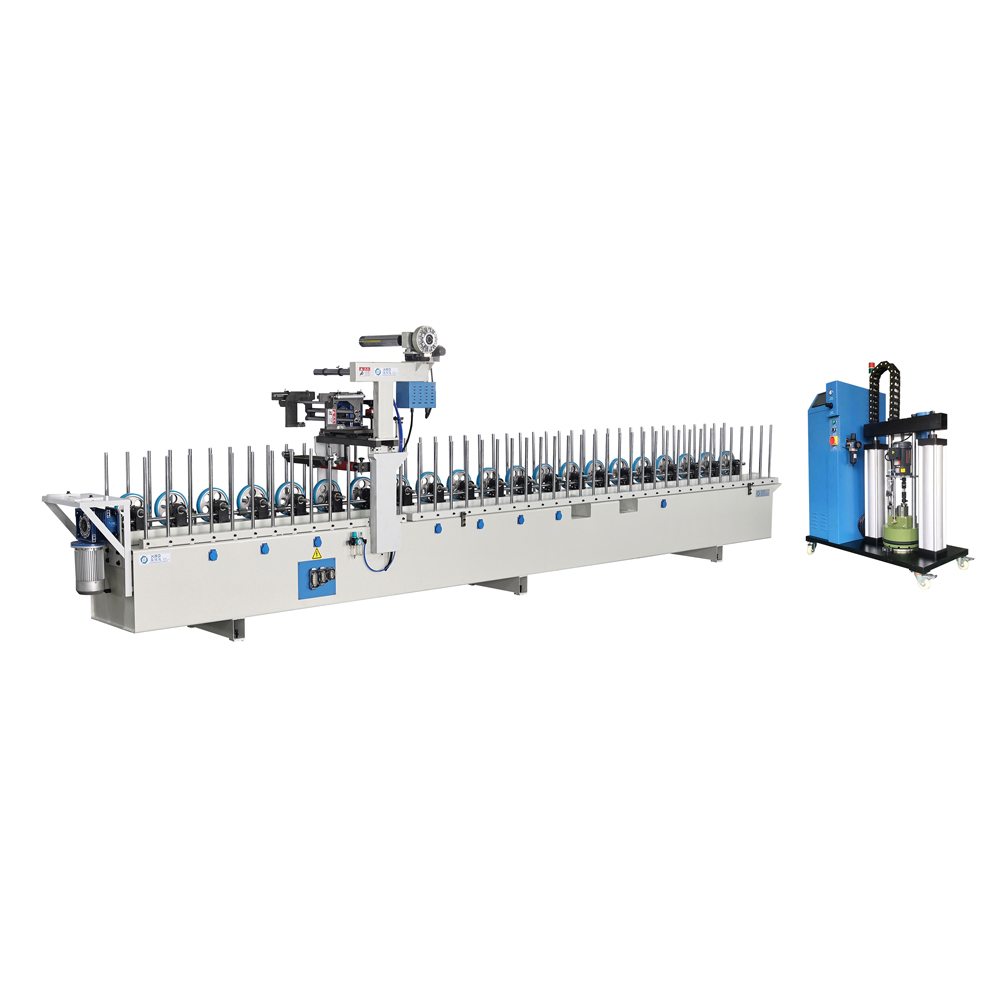
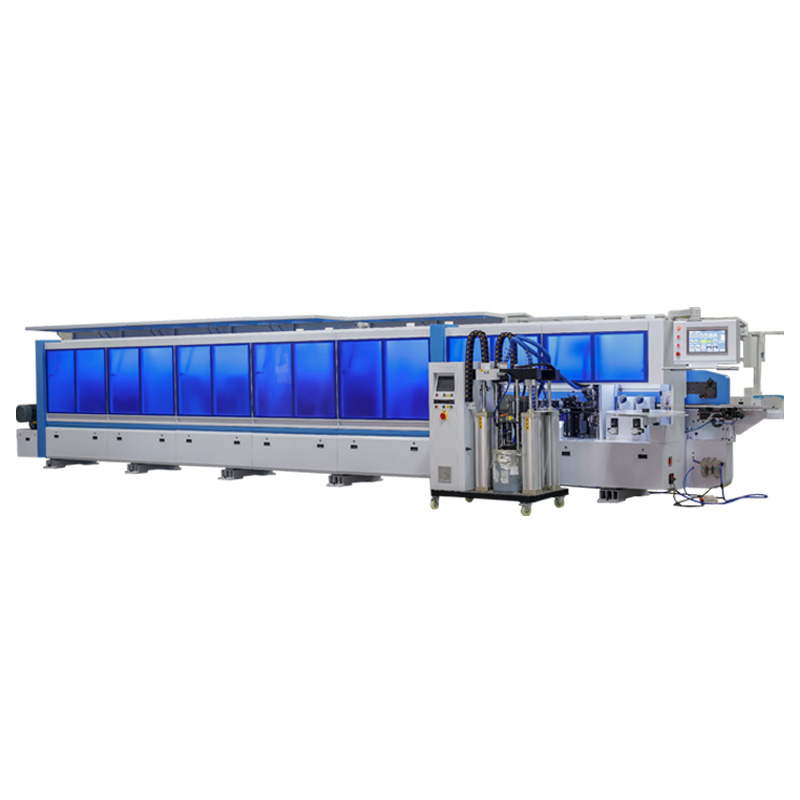
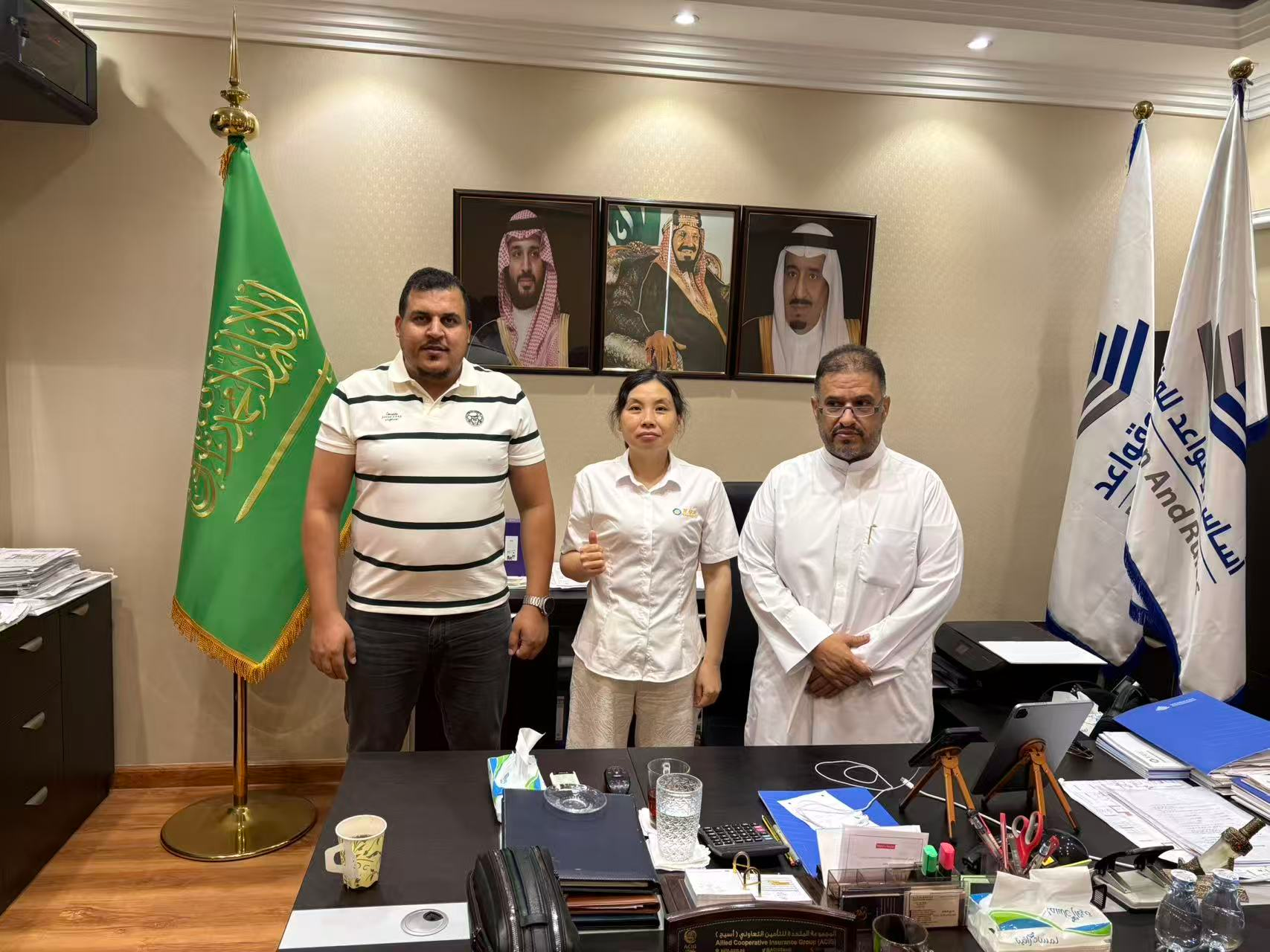
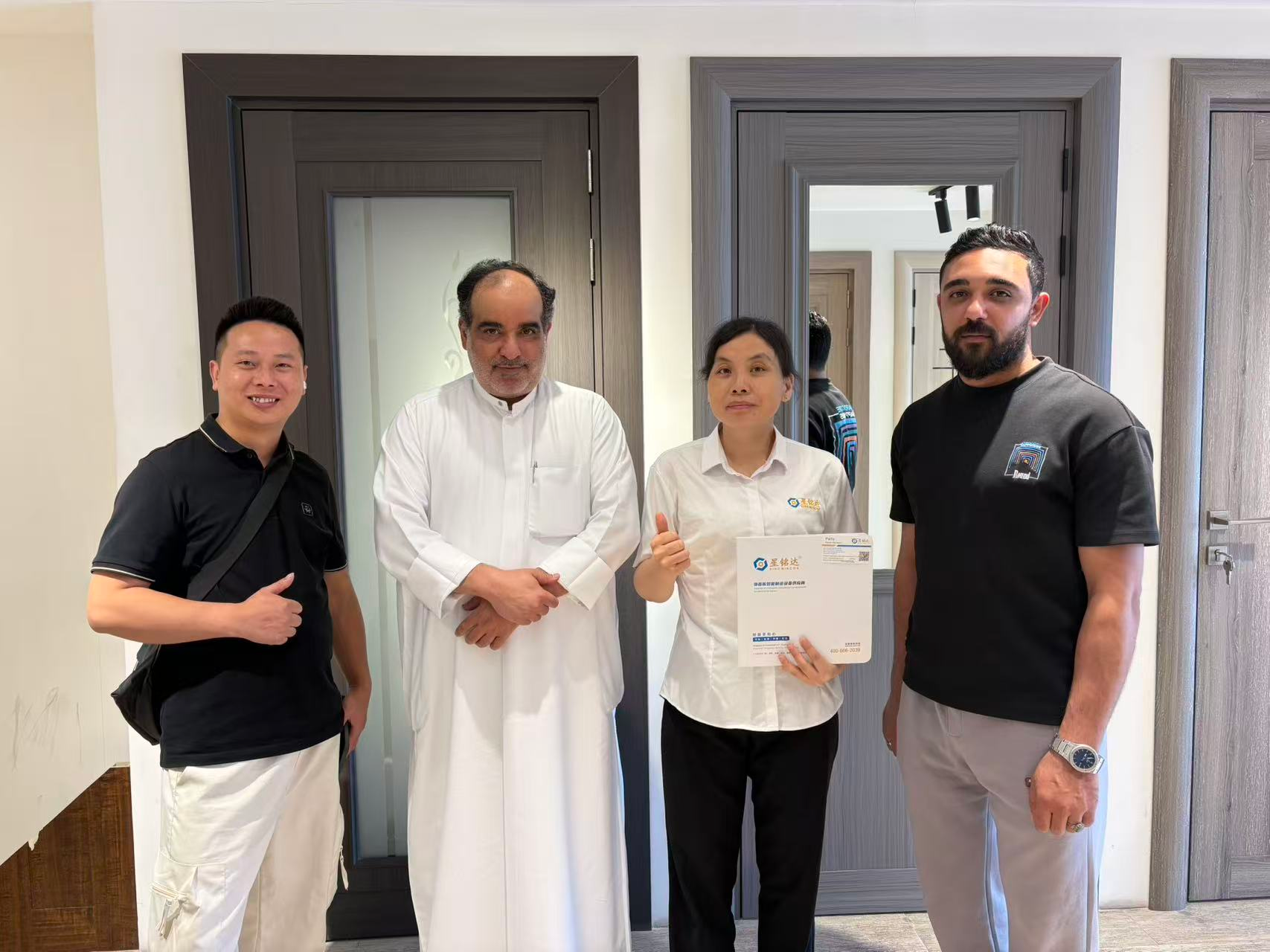
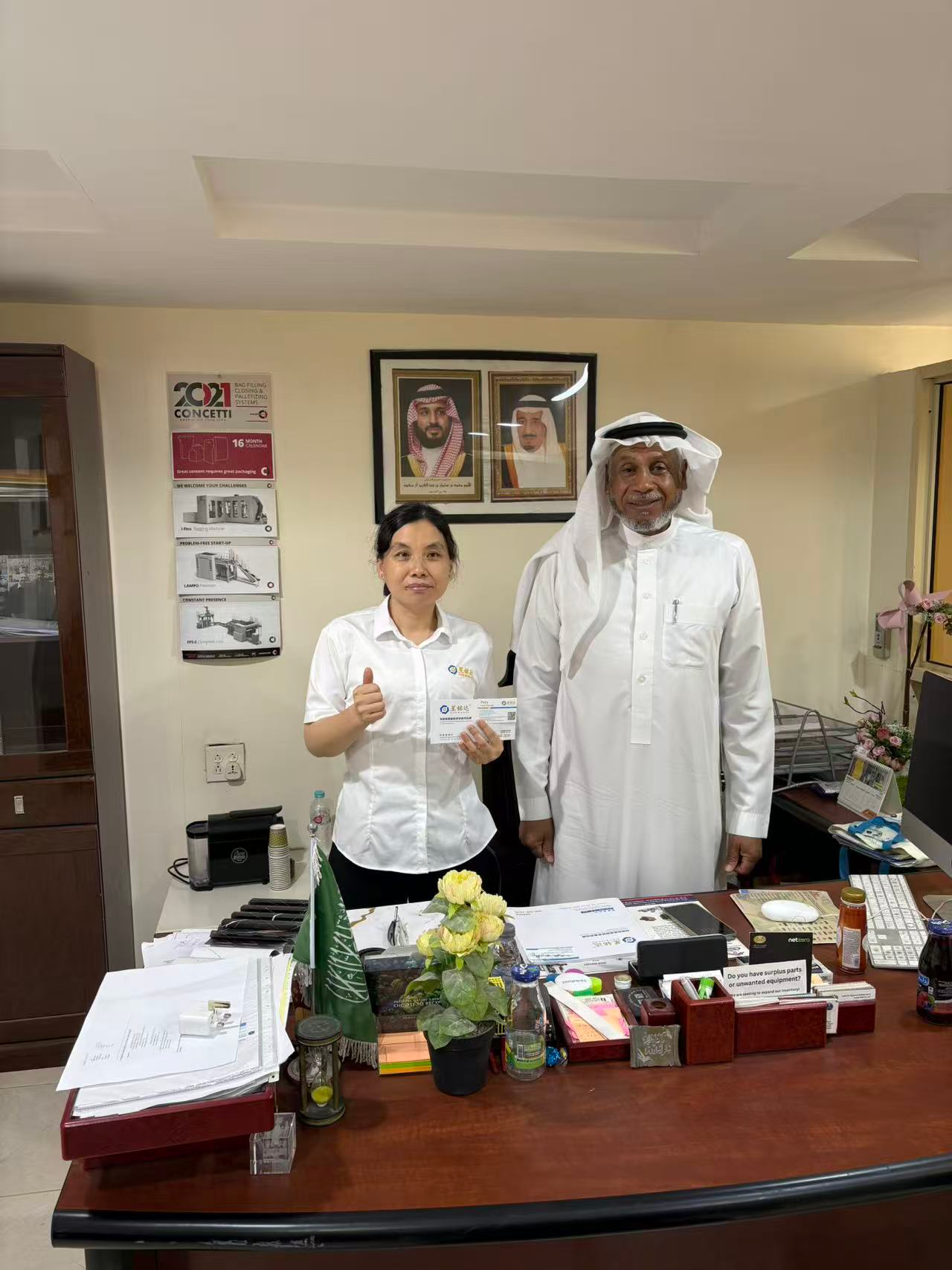
This became a practical question when a Saudi customer selected both a 1300 Hot Glue Wrapping Machine and a 300 Wrapping Machine from Xingmingda automatic Woodworking machinery Co.,Ltd during an exhibition.
Why choose two different wrapping machine configurations instead of relying on one machine?
The answer lies in production flexibility.
A wider wrapping machine can provide greater working-width capability for larger boards and profiles, while a compact 300-class wrapping machine can be more suitable for narrower components and specific profile production. For manufacturers handling multiple product dimensions, this combination can create a more flexible production setup.
1. Are Saudi Furniture Manufacturers Facing More Diverse Wrapping Requirements?
Furniture production is no longer limited to one standard profile or one type of decorative surface.
A single factory may process furniture profiles, cabinet components, door elements, decorative strips, wall-panel components, and other shaped materials. These products can differ significantly in width, thickness, geometry, surface material, and adhesive requirements.
This creates several practical production problems:
Can one wrapping machine handle different profile widths efficiently?
Will a wide machine remain economical when processing smaller profiles?
Is the machine suitable for the selected wrapping material?
Does the adhesive application remain stable at different production speeds?
Can the equipment be adapted when the factory introduces new products?
How much manual adjustment is required during product changeover?
These questions are particularly important when purchasing industrial equipment for a growing furniture factory.
Instead of asking only, “How much does the machine cost?”, buyers should ask:
“What production range can this machine reliably cover?”
That is the starting point for choosing between different wrapping machine configurations.
2. Why Choose a 1300 Hot Glue Wrapping Machine?
A 1300 Hot Glue Wrapping Machine is designed around a much wider working range than a compact profile wrapping machine.
For manufacturers handling wider boards, panels, decorative components, or larger profiles, the wider configuration can provide more production flexibility.
The actual configuration should always be matched to the customer’s material and product dimensions. However, during procurement, buyers should pay particular attention to the following factors:
Working Width
The first question is whether the machine’s effective working width covers the maximum profile or board width required by the factory.
For a customer with multiple product sizes, choosing a machine only according to today’s largest order can create limitations later.
Adhesive Application
For hot glue wrapping, the adhesive application system directly affects bonding consistency.
Buyers should confirm:
Adhesive type
Adhesive melting temperature
Glue application method
Glue quantity adjustment
Glue roller configuration
Temperature control
Heating stability
Cleaning requirements
Wrapping Stability
A good wrapping machine should maintain stable material feeding and pressure during continuous production.
If the profile moves, the wrapping material wrinkles, or adhesive distribution changes during production, the final appearance can suffer even when the raw materials are high quality.
Production Flexibility
The value of a 1300-class machine is not simply its maximum width.
It should be evaluated according to the actual product range, changeover requirements, material compatibility, adhesive system, and expected production volume.
3. Why Add a 300 Wrapping Machine?
If the 1300 machine provides a wider production range, why would a Saudi manufacturer also need a 300 Wrapping Machine?
This is where production segmentation becomes important.
A furniture factory may have both wider components and relatively narrow profiles. Using a large machine for every product is not necessarily the most efficient production strategy.
A 300-class wrapping machine can be considered when the factory has a significant volume of narrower products.
For example:
Narrow decorative profiles
Furniture strips
Small door components
Decorative mouldings
Narrow MDF or HDF profiles
PVC or aluminum profiles
Other small-section components
Instead of forcing every product through the same production configuration, the factory can allocate suitable products to different machines.
This can help simplify production planning and make the equipment investment more closely aligned with the actual product mix.
4. What Technical Parameters Should Buyers Compare?
Before ordering either a 1300 Hot Glue Wrapping Machine or a 300 Wrapping Machine, buyers should prepare a clear technical specification sheet.
| Parameter | What the Buyer Should Confirm |
|---|---|
| Machine type | Hot glue, PUR, cold glue or hybrid configuration |
| Working width | Maximum and minimum product width |
| Profile dimensions | Width, thickness, height and cross-section |
| Wrapping material | PVC, PET, decorative film, paper, veneer or other materials |
| Adhesive | Adhesive type and recommended operating temperature |
| Glue application | Roller, nozzle or other application configuration |
| Heating system | Heating method and temperature-control requirements |
| Feeding system | Feeding stability and profile conveying method |
| Wrapping system | Pressure, positioning and material-guiding method |
| Production speed | Required working speed under actual production conditions |
| Changeover | Adjustment time between different product sizes |
| Control system | PLC, HMI and operator-control functions |
| Safety | Emergency stop, guards and relevant safety configuration |
| Power supply | Local voltage, frequency and electrical standards |
| Spare parts | Recommended spare-parts package and availability |
| After-sales service | Installation, commissioning, training and technical support |
One important point is often overlooked:
Do not compare machines only by maximum speed.
A machine that theoretically runs faster may not deliver better production economics if the factory frequently stops for adjustment, material changes, glue cleaning, or profile repositioning.
For procurement teams, the more meaningful indicator is often stable production output under the factory’s actual product conditions.
5. Where Can This Two-Machine Combination Be Used?
A 1300 + 300 configuration can be particularly useful for furniture manufacturers with a relatively diverse product portfolio.
Furniture Manufacturing
Furniture factories may process multiple profile dimensions for cabinets, wardrobes, tables, shelving systems, and decorative components.
A wider machine can handle larger products, while a smaller wrapping machine can be allocated to narrower profiles.
Door Manufacturing
Door factories often have different profile dimensions and decorative components.
A flexible wrapping setup can make it easier to organize production according to profile size and material.
Interior Decoration
Interior projects can involve decorative strips, wall-panel components, mouldings, and customized profiles.
Project-based production can create frequent changes in dimensions and materials, making machine flexibility important.
Decorative Profile Production
Profile manufacturers need equipment that can continuously process different profile geometries and wrapping materials.
In this application, the machine should be selected according to the actual profile cross-section rather than simply purchasing the machine with the largest nominal width.
Building Material Components
MDF, HDF, PVC foam board, aluminum profiles, and other substrates may require different wrapping configurations.
The adhesive, film, profile geometry, heating conditions, and pressure system should therefore be evaluated as one complete process.
6. Is Two Machines Better Than One Larger Machine?
Not necessarily.
The correct answer depends on the factory's product structure.
A manufacturer producing mainly large-width profiles may benefit from investing in a wider wrapping machine.
However, a manufacturer producing both wide and narrow products may find a two-machine configuration more practical.
The purchasing decision should therefore be based on four questions:
Question 1: What products are currently produced?
List the top 10–20 products by production volume.
Question 2: What are the actual dimensions?
Record:
Maximum width
Minimum width
Thickness
Profile length
Cross-section
Product weight
Question 3: What wrapping materials are used?
Different films, papers, veneers, and decorative materials may require different process settings.
Question 4: What will the factory produce in the next 3–5 years?
Machine procurement should not only solve today's production problem.
If the factory plans to expand into larger panels, new decorative profiles, or additional furniture components, the equipment should leave sufficient room for future production requirements.
7. Why Did the Saudi Customer Choose This Combination?
The Saudi customer's decision to order a 1300 Hot Glue Wrapping Machine and a 300 Wrapping Machine demonstrates an important procurement principle:
Machine selection should follow the production portfolio—not the other way around.
For a factory with different profile dimensions, a combination of machine configurations can provide a more targeted production arrangement.
Instead of asking:
“Which is the biggest wrapping machine we can buy?”
A better question is:
“Which machine configuration gives us the most stable production across our actual product range?”
This is the type of question that experienced machinery suppliers should help customers answer before an order is placed.
8. How Can Xingmingda Automatic Woodworking Machinery Build a Factory-Specific Solution?
Xingmingda automatic Woodworking machinery Co.,Ltd focuses on woodworking machinery solutions including hot-melt coating machines, wrapping machines, slotting machines, hot glue wrapping machines, cold glue wrapping machines, and PUR hot-melt laminating equipment.
For an overseas customer, equipment selection should begin with the production process rather than a standard machine catalogue.
Before recommending a configuration, the supplier should understand:
What substrate is being processed?
What is the maximum and minimum profile size?
What wrapping material will be used?
What adhesive is specified?
What is the required production capacity?
How many product sizes will be processed?
What is the local power supply?
What level of automation is required?
What are the customer's installation conditions?
What after-sales and spare-parts support will be required?
Based on these factors, the machine configuration can be adjusted around the customer's actual production requirements.
This approach is particularly important for international buyers because shipping a machine across borders is only one part of the project.
Installation, commissioning, operator training, process adjustment, spare parts, and technical communication also influence the long-term value of the equipment.
9. What Should Saudi Buyers Prepare Before Requesting a Quotation?
To avoid receiving a generic quotation, buyers should provide as much production information as possible.
A useful RFQ should include:
Product material: MDF / HDF / PVC / aluminum / other
Profile width: minimum and maximum
Profile thickness: minimum and maximum
Profile drawing: CAD drawing or clear product photos
Wrapping material: PVC / PET / paper / veneer / other
Adhesive: hot melt / PUR / cold glue / other
Required production capacity: pieces/hour or meters/hour
Number of product sizes: approximate number
Power supply: local voltage and frequency
Target delivery market: Saudi Arabia or other destination
With these details, Xingmingda automatic Woodworking machinery Co.,Ltd can evaluate whether a 1300 machine, 300 machine, or another configuration is more appropriate.
10. From Exhibition Discussion to Production Solution
An exhibition is often where a machinery project begins, but the real value comes from what happens after the conversation.
For the Saudi customer, the decision to order both a 1300 Hot Glue Wrapping Machine and a 300 Wrapping Machine reflects a production-oriented approach: different products may require different equipment configurations.
For other Saudi furniture manufacturers considering similar equipment, the recommended process is straightforward:
Step 1 — Send your product information
Provide profile dimensions, material, drawings, wrapping film and adhesive information.
Step 2 — Confirm machine configuration
The supplier evaluates working width, feeding system, glue application, heating, wrapping structure and control requirements.
Step 3 — Review technical specifications
Confirm machine layout, electrical requirements, production range, optional functions and spare parts.
Step 4 — Discuss production testing
Where appropriate, provide sample profiles and wrapping materials for process evaluation.
Step 5 — Confirm commercial terms
Review quotation, delivery schedule, packaging, installation, commissioning and after-sales support.
Step 6 — Installation and production
After delivery, the equipment is installed and commissioned before entering normal production.
11. Could the 1300 + 300 Combination Be Right for Your Factory?
There is no universal answer.
If your factory mainly produces wide profiles, a 1300-class machine may provide the working range you need.
If your production includes a large number of narrow profiles, a 300-class machine may provide a more targeted solution.
If your factory produces both types, combining different machine configurations can be worth evaluating.
The most important point is to calculate the machine requirement from your actual product dimensions, material range, adhesive system, production volume and future expansion plans.
That is why Xingmingda automatic Woodworking machinery Co.,Ltd does not treat every wrapping machine project as the same.
The machine should fit the production process.
FAQ: Hot Glue Wrapping Machines for Saudi Furniture Manufacturers
What is a 1300 Hot Glue Wrapping Machine used for?
A 1300-class hot glue wrapping machine is generally considered for production requiring a wider working range. The exact suitable product dimensions should be confirmed according to the machine configuration and the customer's actual profile specifications.
What is a 300 Wrapping Machine suitable for?
A 300-class wrapping machine can be considered for narrower profiles and components. The final suitability depends on profile dimensions, wrapping material, adhesive and machine configuration.
Can one factory use both 1300 and 300 wrapping machines?
Yes. For factories producing a wide range of product sizes, using different machine configurations can be evaluated as a way to allocate products according to their dimensions and production requirements.
Which wrapping adhesive should I choose?
The choice depends on the substrate, wrapping material, production process and required bonding performance. Buyers should confirm adhesive compatibility with the machine supplier before purchasing equipment.
Can the wrapping machine be customized?
Machine configuration can be discussed according to product dimensions, wrapping materials, adhesive system, production requirements, electrical standards and other project conditions.
What information should I send before asking for a quotation?
Send your product drawings or photos, profile dimensions, substrate, wrapping material, adhesive type, target production capacity and local power-supply information. This allows the supplier to recommend a more appropriate machine configuration.
A Practical Procurement Conclusion
The Saudi customer's purchase of a 1300 Hot Glue Wrapping Machine and 300 Wrapping Machine highlights a practical point for furniture manufacturers:
The best wrapping machine is not necessarily the largest machine—it is the machine configuration that matches the factory's product range and production process.
For manufacturers processing different profile widths, materials and decorative components, evaluating multiple machine configurations can be more useful than choosing equipment based on a single specification such as maximum speed or machine price.
If you are planning a new wrapping production line, expanding an existing furniture factory, or replacing older wrapping equipment, Xingmingda automatic Woodworking machinery Co.,Ltd can evaluate your product information and help determine a suitable wrapping-machine configuration.
For a technical quotation, please provide your profile dimensions, material, wrapping film, adhesive type and target production capacity.
Email: pattypeng@purmachinefactory.com