
Attention, panel manufacturers: Is your current wrapping process limiting your product range or production efficiency?
As the furniture, interior decoration, and building-material markets become increasingly competitive, manufacturers need more than attractive surface materials. They need a wrapping process that can deliver stable adhesion, consistent surface quality, flexible material compatibility, and repeatable production results.
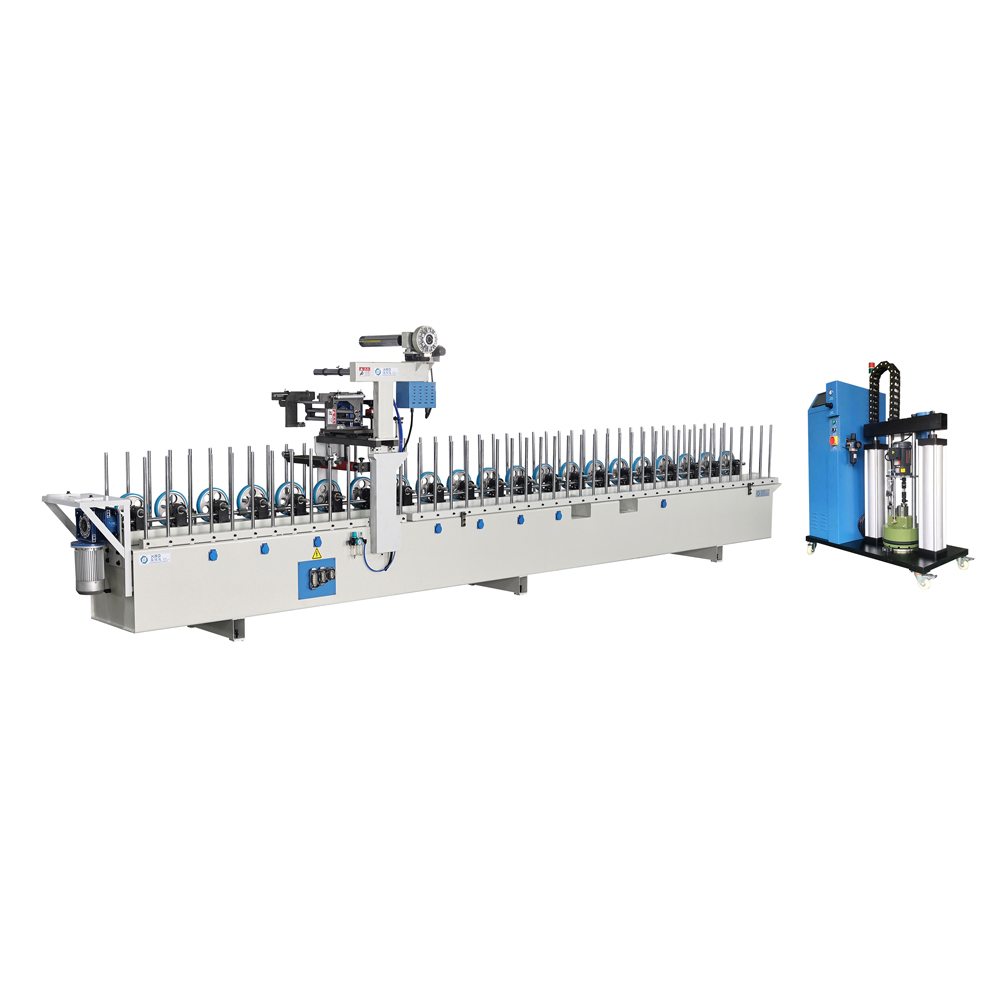
This is where the XMD 1300 PUR Hot Melt Wrapping Machine comes into consideration.
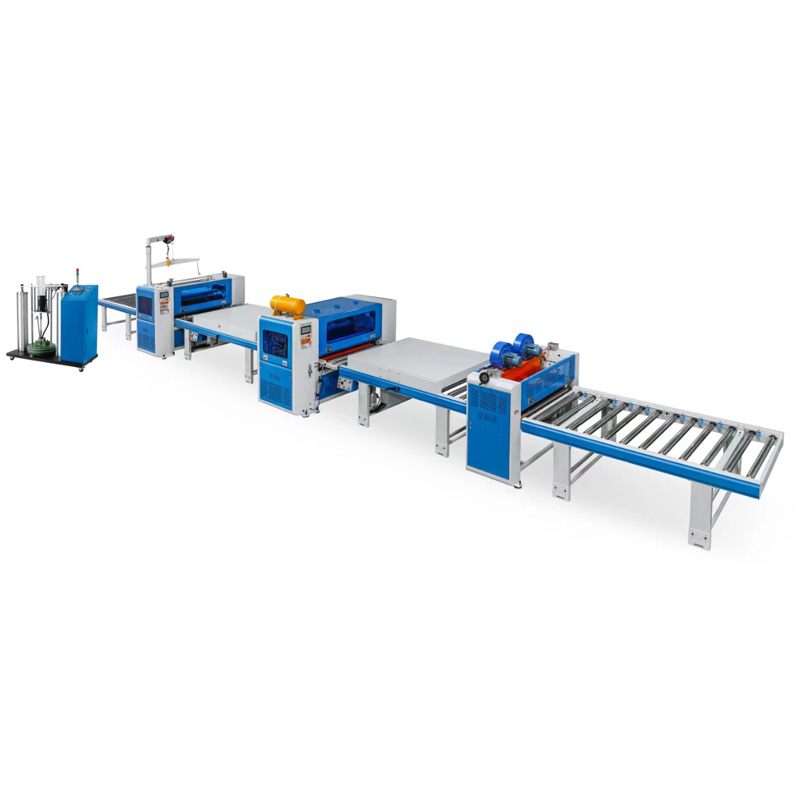
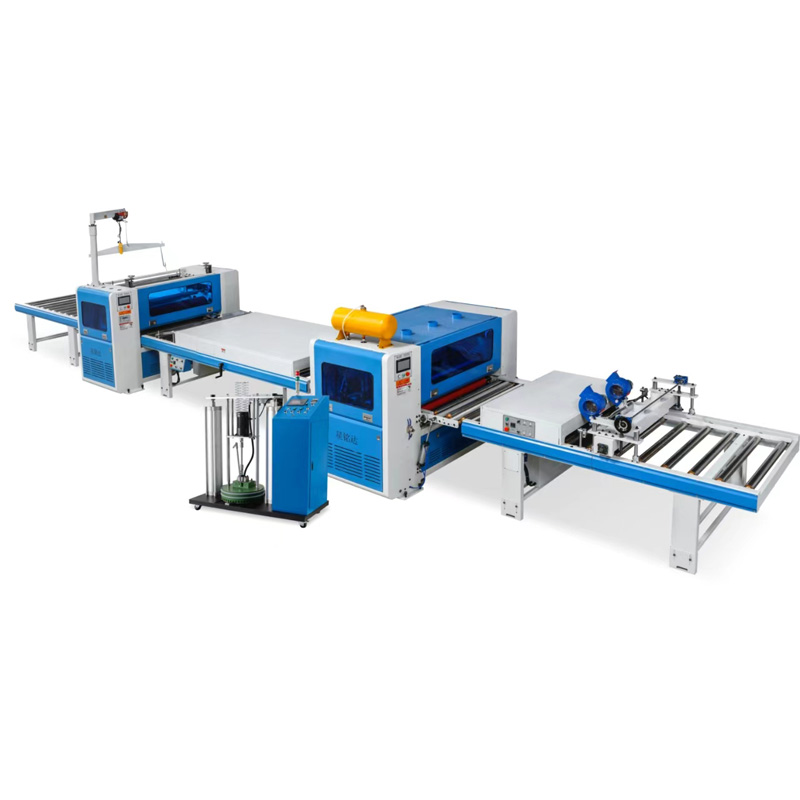
Designed for surface wrapping and lamination of decorative panels and profiles, this machine uses PUR hot melt adhesive technology to bond PVC film, wood-grain film, and other decorative films onto suitable board substrates.
For manufacturers producing wood-veneer decorative wall panels, calcium silicate boards, interior decoration profiles, and other architectural or furniture components, the real purchasing question is not simply:
“How much does a 1300 wrapping machine cost?”
A better question is:
“Can this machine match my materials, product dimensions, adhesive system, production volume, and future product expansion?”
That is the question this procurement guide addresses.
1. Are Your Existing Wrapping Processes Ready for More Diverse Panel Products?
A panel manufacturer may start with one decorative film and one board material, but production requirements often become more complicated as the business grows.
Today, you may process PVC film on MDF.
Tomorrow, customers may ask for:
Wood-grain decorative finishes
PET or other decorative films
Wood-veneer effects
Calcium silicate boards
Decorative wall panels
Interior profiles
Customized architectural components
Each material combination can create different requirements for adhesive application, heating, pressure, feeding, and surface preparation.
If the wrapping equipment is not flexible enough, manufacturers may experience:
Uneven adhesive application
Film wrinkles
Poor edge adhesion
Surface bubbles
Material shifting
Inconsistent decorative appearance
Excessive manual adjustment
Longer product changeover time
Higher material waste
Therefore, equipment selection should begin with the production process, not simply the machine name.
A suitable wrapping machine should provide a controlled process from substrate feeding to adhesive application, film positioning, pressing, and final surface formation.
2. Why Choose a 1300 PUR Hot Melt Wrapping Machine?
The XMD 1300 PUR Hot Melt Wrapping Machine is designed for manufacturers that need a relatively wide working range while maintaining control over the wrapping process.
Its core function is straightforward:
Apply PUR hot melt adhesive → position the decorative material → press the material onto the substrate → create a stable laminated surface.
The advantage is that the machine integrates these operations into a more controlled production process rather than relying heavily on manual application.
Why PUR Hot Melt Adhesive?
PUR hot melt adhesive is widely considered when manufacturers require strong bonding performance and resistance to demanding service conditions.
Compared with simply selecting equipment based on mechanical speed, buyers should evaluate whether the complete adhesive system matches:
Substrate material
Decorative film
Surface energy
Operating temperature
Product geometry
Required bonding performance
Final application environment
This is particularly important for decorative panels used in furniture and interior applications.
The adhesive should not be treated as an independent purchasing decision. The machine + adhesive + substrate + decorative material should be evaluated as one production system.
3. What Materials Can the 1300 Wrapping Machine Process?
One of the most important purchasing questions is material compatibility.
The XMD 1300 PUR Hot Melt Wrapping Machine can be considered for decorative surface applications involving materials such as:
| Material Category | Typical Examples | Purchasing Consideration |
|---|---|---|
| Board substrates | MDF, HDF and other suitable panels | Check thickness and surface condition |
| Decorative films | PVC film, wood-grain film and other suitable films | Confirm film compatibility with PUR |
| Decorative surfaces | Wood-veneer effects and architectural finishes | Control glue quantity and pressing |
| Mineral-based panels | Calcium silicate boards | Confirm board flatness and surface preparation |
| Profile materials | Interior decorative profiles | Check geometry and wrapping direction |
| Furniture components | Decorative panels and shaped components | Evaluate dimensions and production volume |
The final material range should always be confirmed through actual samples.
For example, two films may look similar but have very different surface properties. A film that performs well with one adhesive system may require different process conditions with another.
That is why experienced machinery suppliers should evaluate the actual production material before final machine configuration.
4. Which Technical Parameters Should Buyers Check?
When purchasing a 1300 wrapping machine, buyers should avoid comparing suppliers only according to machine price.
The more useful approach is to build a technical checklist.
| Parameter | What Buyers Should Confirm |
|---|---|
| Machine type | PUR hot melt wrapping machine |
| Working width | Whether the effective working range covers your largest product |
| Product thickness | Minimum and maximum substrate thickness |
| Substrate | MDF, HDF, calcium silicate board or other materials |
| Wrapping material | PVC, wood-grain film or other decorative materials |
| Adhesive | PUR hot melt adhesive compatibility |
| Glue application | Application method and glue quantity control |
| Heating | Adhesive melting and temperature-control requirements |
| Feeding | Stable conveying for different panel/profile dimensions |
| Pressing | Pressure stability and adjustment range |
| Film positioning | Guiding and alignment requirements |
| Production speed | Required output under actual production conditions |
| Changeover | Adjustment requirements between different products |
| Control system | PLC/HMI and operator-control functions |
| Electrical system | Local voltage and frequency |
| Safety | Emergency stop and machine protection |
| Maintenance | Cleaning, wear parts and service accessibility |
| Customization | Non-standard width, layout or production-line integration |
A Critical Procurement Point
Do not ask only:
“What is the maximum machine speed?”
Ask instead:
“What stable production speed can I achieve with my actual board, film, adhesive and product dimensions?”
This difference matters.
A machine running at a theoretical maximum speed is not necessarily more productive if the operator frequently needs to stop for adjustment or if the finished surface requires rework.
For production managers, stable output and first-pass quality are often more meaningful than a single maximum-speed number.
5. Where Can the XMD 1300 Wrapping Machine Be Used?
The application range of a 1300-class wrapping solution extends beyond one specific furniture product.
Wood-Veneer Decorative Wall Panels
Decorative wall panels need consistent surface appearance across large production batches.
The wrapping process needs to maintain stable material positioning and pressing while minimizing visible defects such as wrinkles and bubbles.
Calcium Silicate Boards
Calcium silicate boards are widely used in building and interior applications.
When decorative films or other surface materials are applied, manufacturers need to consider board flatness, surface preparation, adhesive compatibility, and pressing conditions.
The machine should therefore be evaluated as part of the complete surface-finishing process.
Interior Decoration Profiles
Interior profiles can have different widths, shapes, and surface geometries.
The equipment configuration should be selected according to the actual profile rather than simply choosing a machine based on nominal working width.
Furniture Panels
Furniture manufacturers may use decorative films and wood-grain surfaces for:
Cabinet components
Wardrobe panels
Decorative panels
Furniture surfaces
Wall-panel components
Interior trim
For these applications, appearance consistency becomes a critical quality indicator.
Architectural Decoration
For architectural and interior-decoration manufacturers, different projects may require different decorative finishes.
A flexible wrapping system can help manufacturers respond to changing material and product requirements without completely redesigning the production process.
6. Is a 1300 Wrapping Machine Always the Best Choice?
Not necessarily.
This is an important point for buyers.
The correct machine width should be determined by the factory's actual production requirements.
Before purchasing a 1300 wrapping machine, ask:
What is my largest product width?
If most products are significantly narrower than the machine's effective working range, a smaller machine may be more economical.
What is my smallest product size?
The machine should also work effectively with the smaller products that make up a meaningful percentage of production.
How many different products do I manufacture?
If the factory has many product specifications, adjustment and changeover should be evaluated carefully.
What materials will I use next year?
Do not design the machine only around today's product.
If your company plans to add new decorative films, wall panels, profiles, or board materials, discuss these plans with the machinery manufacturer before ordering.
What output do I actually need?
Calculate production based on actual working conditions rather than catalogue speed.
7. What Should Buyers Consider When Comparing Suppliers?
A wrapping machine is a production asset, not simply a piece of equipment.
Therefore, supplier evaluation should include more than the quotation.
1. Machine Engineering
Can the supplier modify the machine according to your material and product dimensions?
2. Adhesive Experience
Does the supplier understand the relationship between PUR adhesive, substrate, decorative film, heating, coating and pressing?
3. Manufacturing Capability
Is the machine manufactured and assembled by the supplier or sourced from multiple subcontractors?
4. Process Testing
Can the supplier evaluate your actual sample material before finalizing the configuration?
5. Spare Parts
Are critical wearing parts and electrical components available?
6. Installation Support
Who will assist with machine installation, commissioning and operator training?
7. After-Sales Service
How quickly can technical problems be diagnosed when the machine is already operating overseas?
These questions can help buyers distinguish between a low-price machine quotation and a complete production solution.
8. How Does Xingmingda Provide a Factory-Specific Solution?
Foshan xingmingda automatic Woodworking machinery Co.,Ltd is a woodworking machinery manufacturer based in Lunjiao, Shunde, Foshan, specializing in wrapping machines, hot-melt coating machines, slotting machines, PUR laminating machines and related surface-processing equipment. The company states that its equipment can be customized according to customer requirements and that it serves customers in international markets.
For a 1300 wrapping machine project, the engineering process should start with the customer's product rather than a standard machine catalogue.
Step 1 — Analyze the Substrate
Confirm:
Board type
Board thickness
Surface condition
Board dimensions
Flatness
Production quantity
Step 2 — Analyze the Decorative Material
Confirm:
Film type
Film thickness
Film width
Surface characteristics
Roll or sheet format
Required appearance
Step 3 — Confirm the Adhesive
Determine whether PUR hot melt adhesive is suitable for the selected substrate and decorative material.
Step 4 — Design the Machine Configuration
The machine configuration can then be evaluated around:
Working width
Feeding
Glue application
Heating
Film guiding
Pressing
Control
Safety
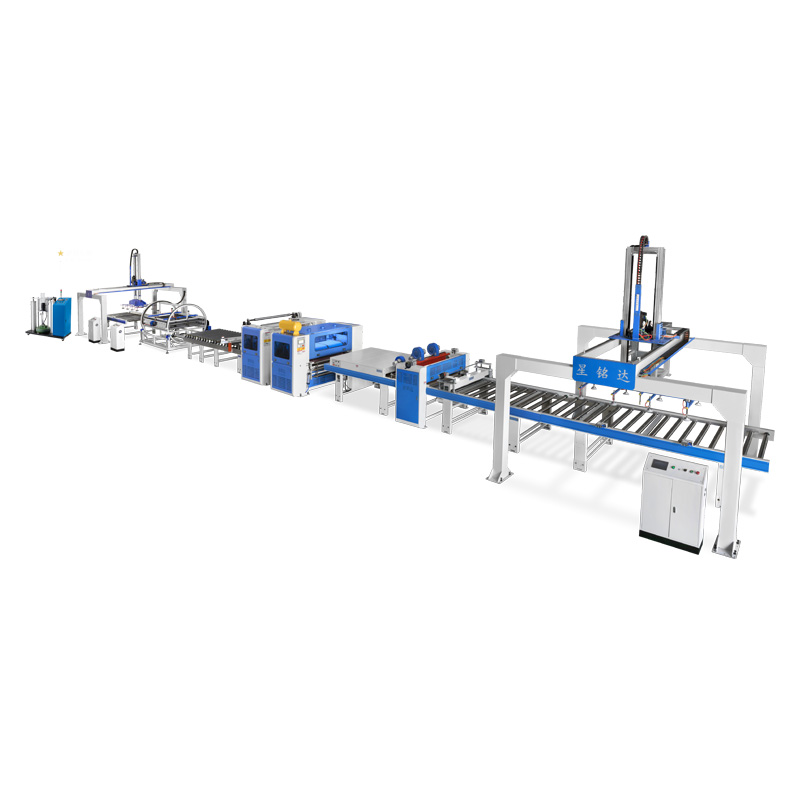
Production-line integration
Step 5 — Plan for Future Expansion
If the factory plans to increase output or introduce new panel products, these requirements should be considered before the machine is manufactured.
This approach helps turn a standard equipment purchase into a factory-specific surface-finishing solution.
9. What Should You Send Before Requesting a 1300 Wrapping Machine Quotation?
If you are comparing suppliers, sending only the message “Please quote a 1300 wrapping machine” is usually not enough.
A better RFQ should include:
1. Product photos
Show the actual panel or profile that will be wrapped.
2. Product drawings
CAD drawings are preferred for complex profiles.
3. Product dimensions
Provide length, width and thickness.
4. Substrate
Specify MDF, HDF, calcium silicate board, PVC board, or another material.
5. Decorative material
Specify PVC film, wood-grain film, wood veneer, PET or another material.
6. Adhesive
State whether you already use PUR hot melt adhesive or need technical recommendations.
7. Production target
Provide the required pieces per hour or meters per minute.
8. Factory power supply
Confirm local voltage and frequency.
9. Automation requirements
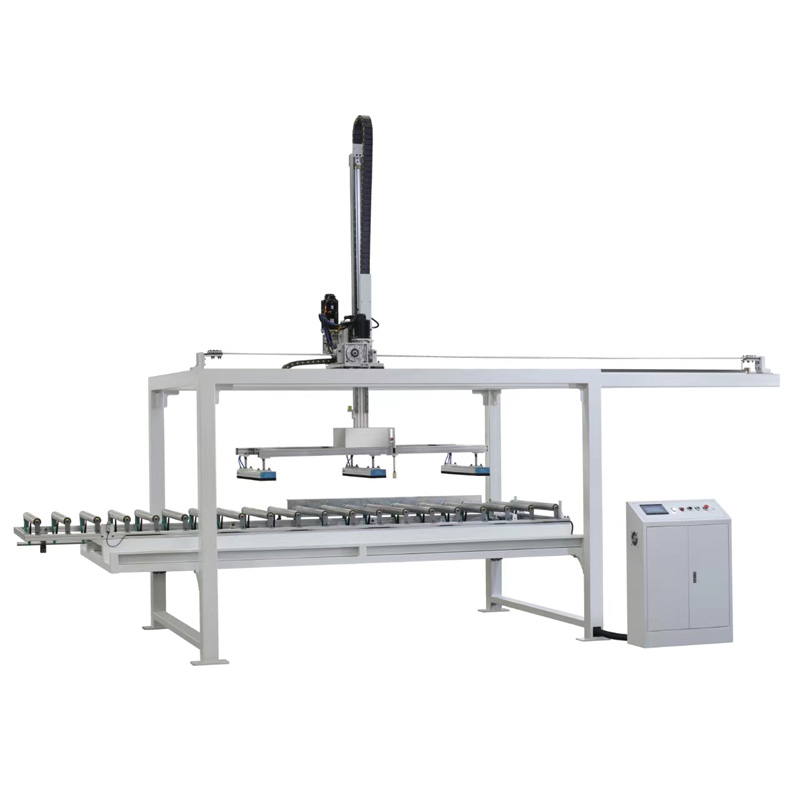
Indicate whether you need manual feeding, automatic feeding, online conveying or integration with an existing line.
The more complete the RFQ, the more useful the supplier's technical proposal will be.
10. Why Is the Complete Process More Important Than the Machine Alone?
A wrapping machine does not determine final product quality by itself.
The actual result comes from the interaction between:
Substrate + Surface Preparation + PUR Adhesive + Coating + Heating + Decorative Film + Pressing + Machine Settings
If one part is poorly matched, the final result can still be unsatisfactory.
For example:
Correct machine + unsuitable adhesive = bonding problems
Correct adhesive + contaminated substrate = poor adhesion
Correct film + unstable feeding = wrinkles
Correct coating + incorrect glue quantity = appearance problems
Correct machine + insufficient process testing = production adjustment issues
Therefore, when purchasing a 1300 Wrapping Machine, buyers should evaluate the entire process rather than the equipment name alone.
11. Factory Solution: From Product Sample to Production Line
For international panel manufacturers, the most practical purchasing workflow is:
Product Requirement
Send your panel/profile information and decorative-material details.
↓
Technical Evaluation
Evaluate dimensions, material compatibility, adhesive requirements and production capacity.
↓
Machine Configuration
Determine working width, feeding, PUR glue application, heating, pressing and control configuration.
↓
Sample Testing
Where required, use actual substrate and decorative material for process verification.
↓
Commercial Proposal
Confirm machine specifications, optional functions, delivery, packaging and installation requirements.
↓
Manufacturing
The equipment is manufactured and assembled according to the approved configuration.
↓
Installation & Commissioning
After delivery, complete installation, commissioning and operator training.
↓
Production
The customer moves from sample production to stable batch manufacturing.
This process gives buyers a much clearer understanding of what they are actually purchasing.
12. Is the XMD 1300 PUR Hot Melt Wrapping Machine Right for Your Production?
The answer depends on your products.
If you manufacture decorative wall panels, furniture panels, calcium silicate boards, interior profiles, or other suitable board and profile products, the XMD 1300 PUR Hot Melt Wrapping Machine may be worth evaluating.
The key questions are:
Do you need a wider working range?
Are you using PVC or other decorative films?
Are you considering PUR hot melt adhesive?
Do you need stable surface quality for commercial production?
Are you expanding your decorative-panel product range?
Do you need a machine customized around your actual materials?
If the answer is yes, the next step should not be to compare machine prices immediately.
First, compare process compatibility, machine configuration, production capacity, customization capability and after-sales support.
FAQ About 1300 PUR Wrapping Machines
What is a 1300 wrapping machine?
A 1300 wrapping machine refers to a wrapping configuration designed around a nominal working width in the 1300 mm class. The actual usable range should be confirmed according to the specific machine configuration and product requirements.
What is the XMD 1300 PUR Hot Melt Wrapping Machine used for?
It is designed for surface wrapping and lamination applications involving suitable decorative films and board or profile substrates, including applications such as decorative wall panels, furniture components, calcium silicate boards and interior decoration profiles.
What decorative materials can be used?
Depending on the machine configuration and adhesive compatibility, applications may include PVC film, wood-grain film and other decorative films. Actual materials should be tested or technically confirmed before production.
Why use PUR hot melt adhesive?
PUR hot melt adhesive can be considered when manufacturers require strong bonding performance and durable surface adhesion. The correct adhesive must be matched with the substrate, decorative material and production process.
Can the 1300 wrapping machine be customized?
Machine configuration can be discussed according to product dimensions, substrate, decorative material, adhesive system, production capacity, factory layout and automation requirements.
What information should I provide when requesting a quotation?
Provide product drawings or photos, product dimensions, substrate, decorative film, adhesive type, target output, local power supply and desired automation level.
Can Xingmingda provide a complete production solution?
Yes. Foshan xingmingda automatic Woodworking machinery Co.,Ltd focuses on woodworking and panel surface-processing equipment and can discuss customized equipment configurations according to different production requirements.
Conclusion: Choose the Wrapping Machine Around Your Production, Not the Other Way Around
For panel manufacturers, upgrading to a 1300 Wrapping Machine should not be viewed simply as purchasing a larger machine.
The real objective is to create a more controlled and repeatable surface-wrapping process.
The right equipment should match:
Your substrate.
Your decorative film.
Your adhesive.
Your product dimensions.
Your production capacity.
Your future expansion plans.
The XMD 1300 PUR Hot Melt Wrapping Machine provides a practical equipment option for manufacturers looking to improve decorative-panel and profile wrapping processes.
If you are evaluating a new wrapping machine or planning a complete panel-surface production line, Foshan xingmingda automatic Woodworking machinery Co.,Ltd can evaluate your product requirements and discuss a suitable machine configuration.
Technical inquiry: pattypeng@purmachinefactory.com
Official website: www.purmachinefactory.com