
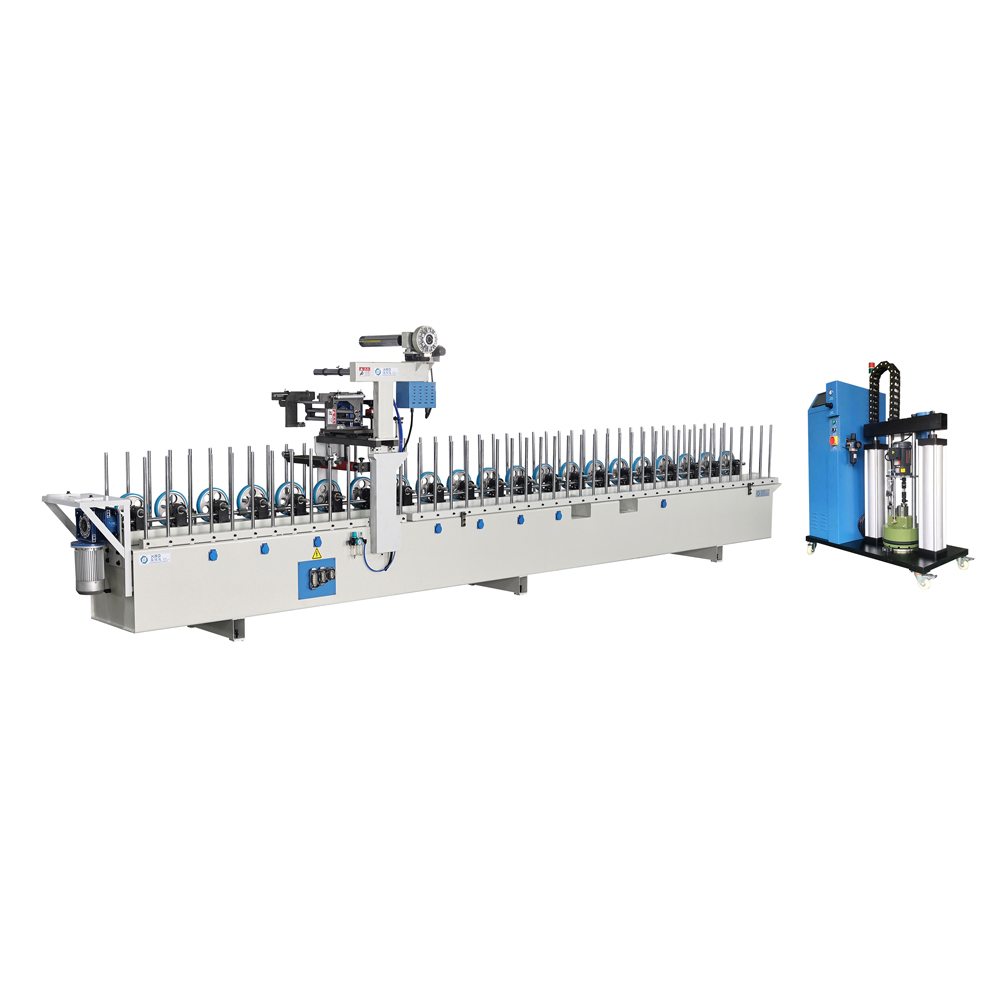
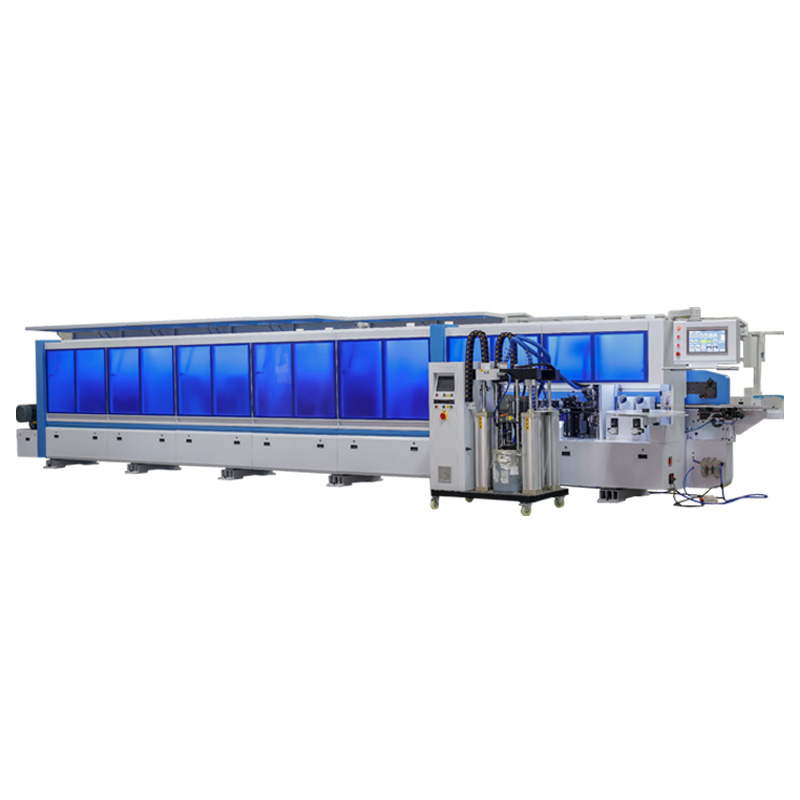
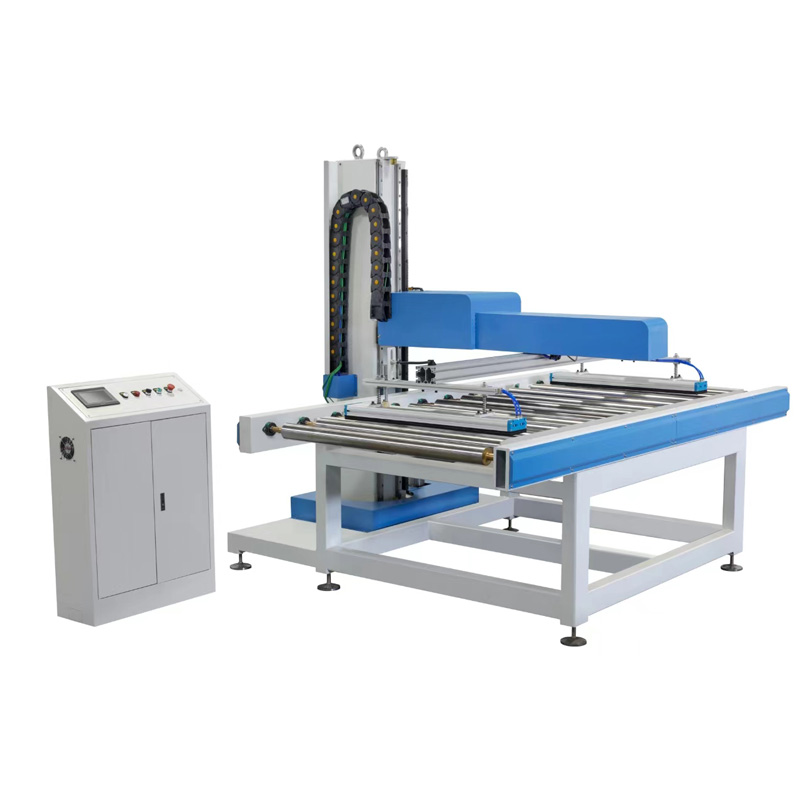
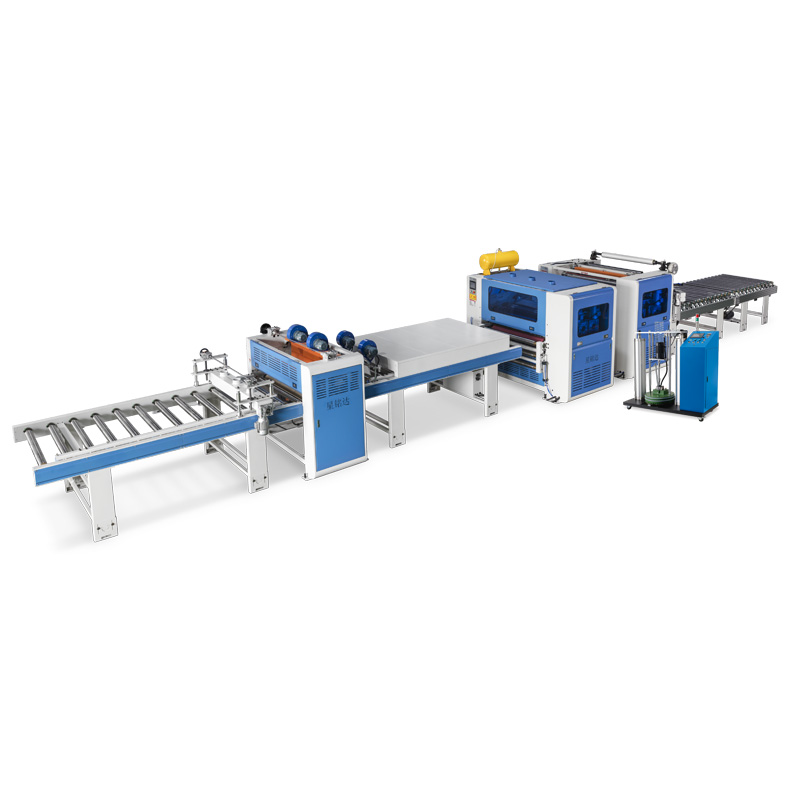
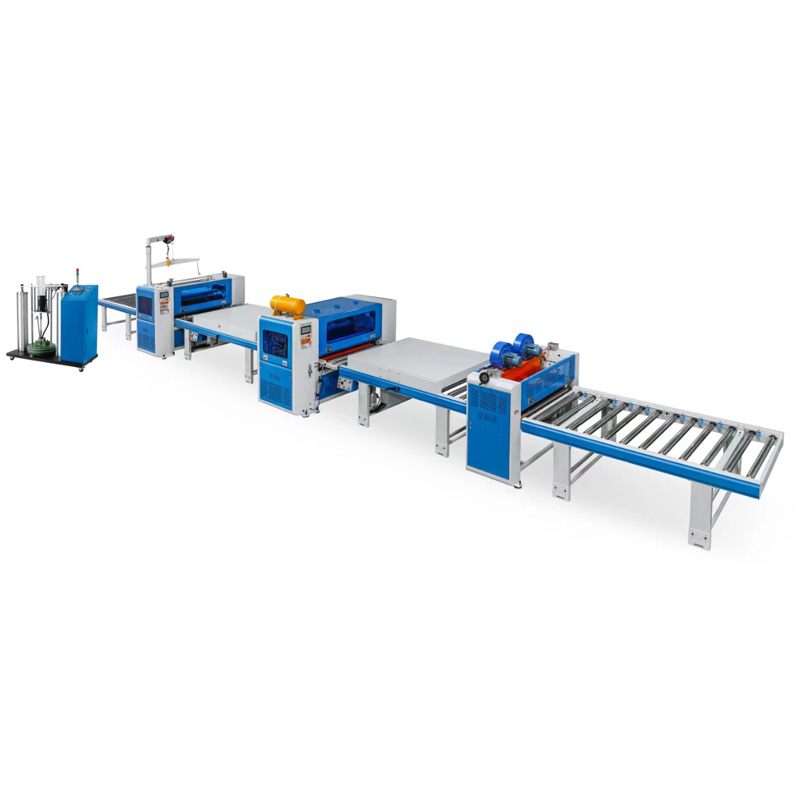
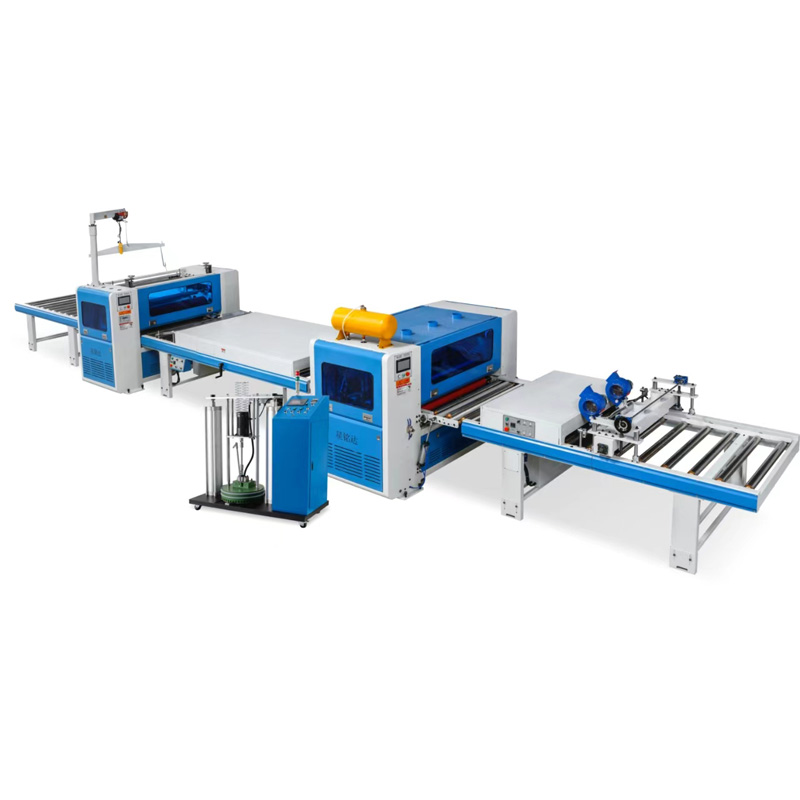
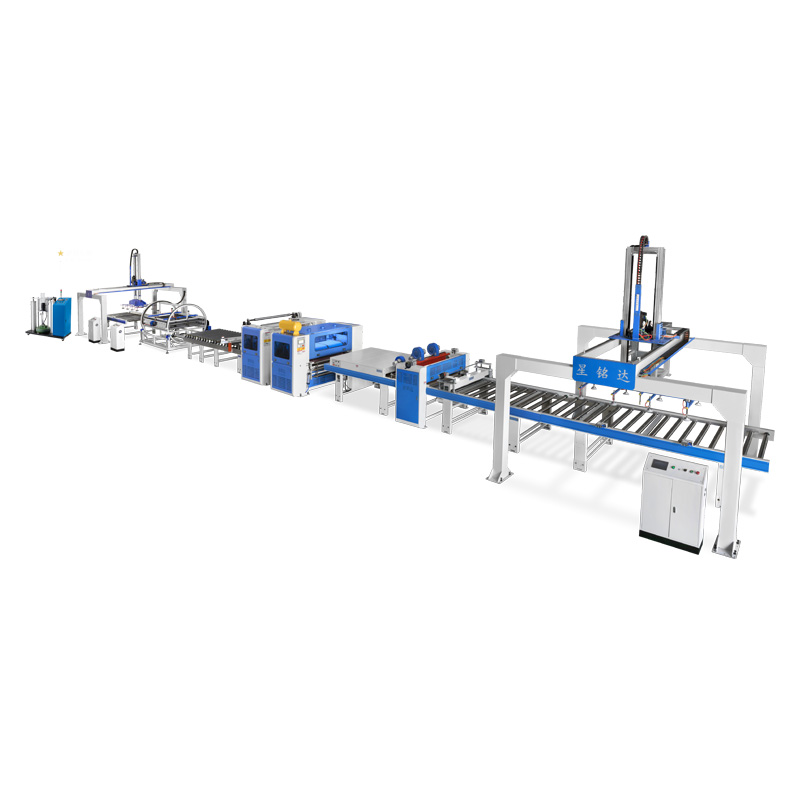
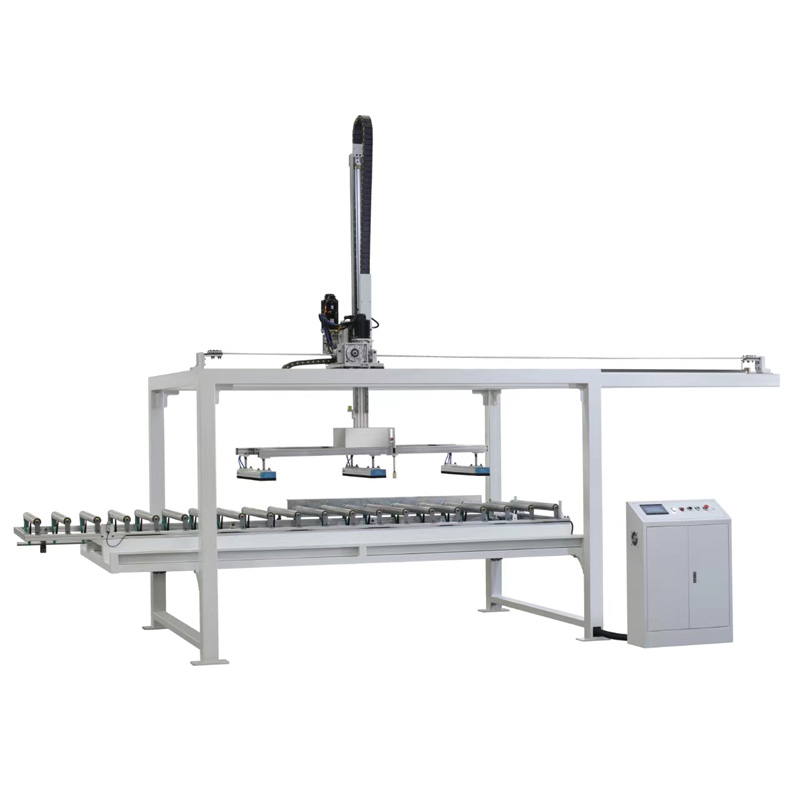
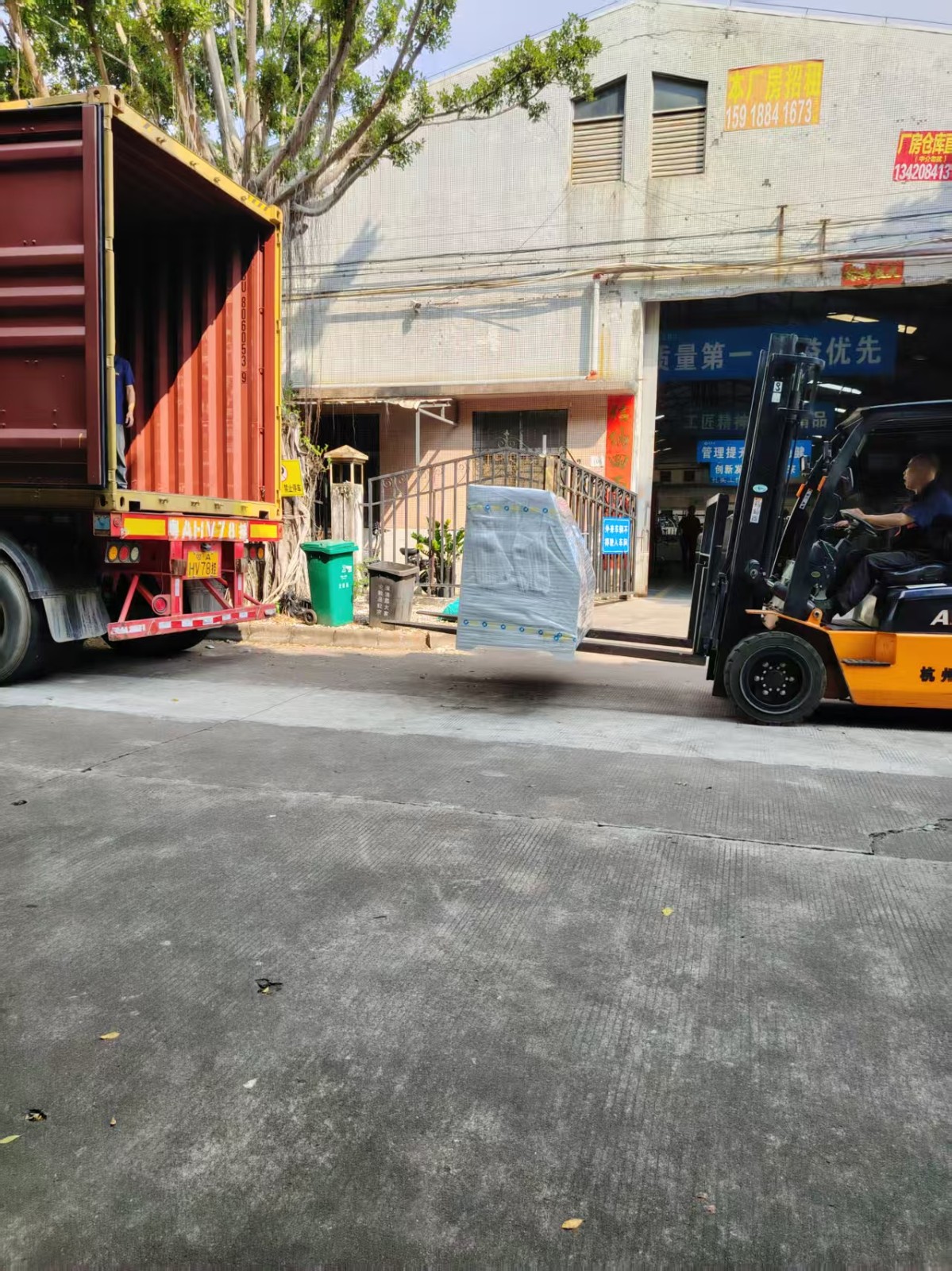
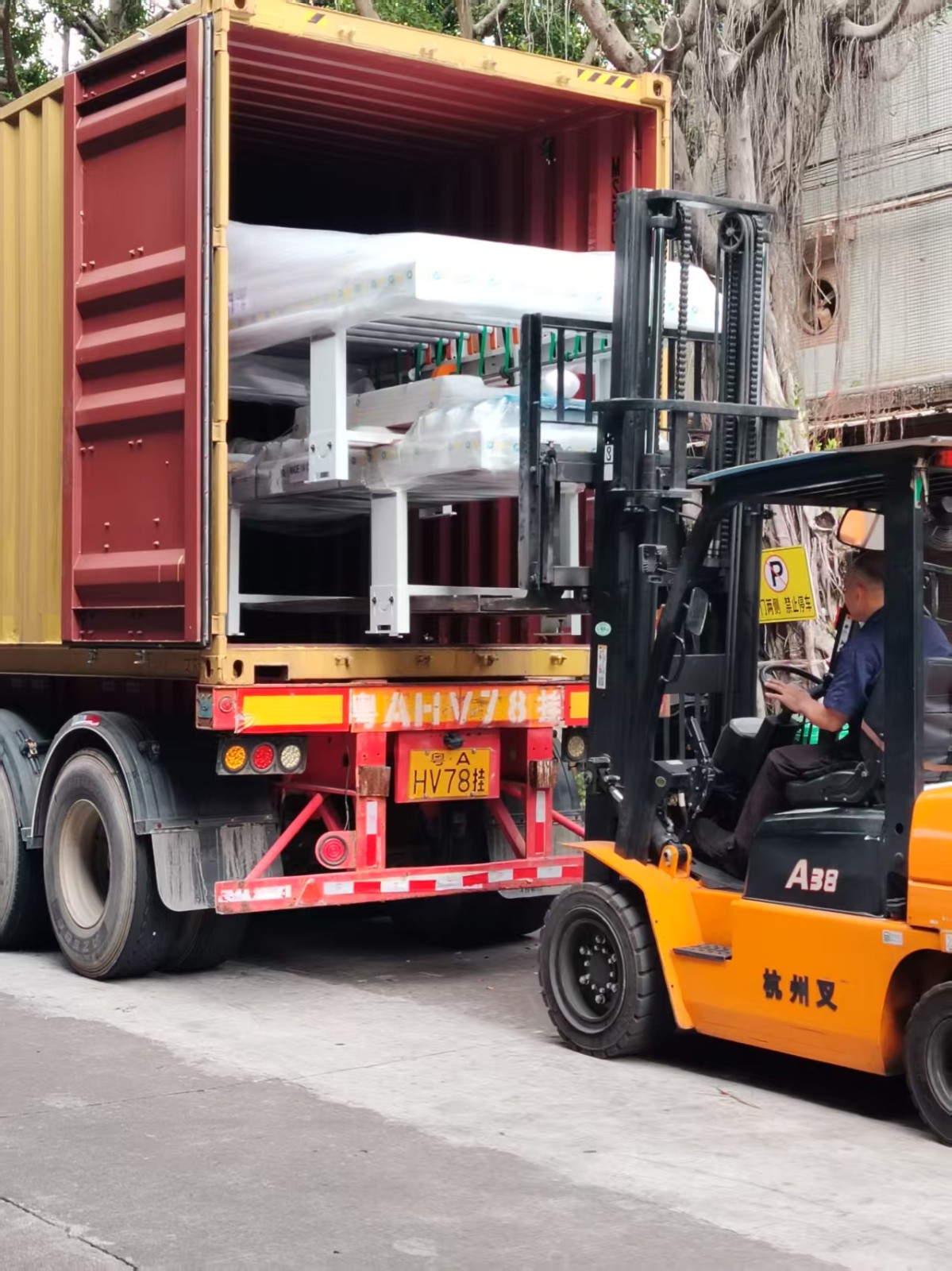
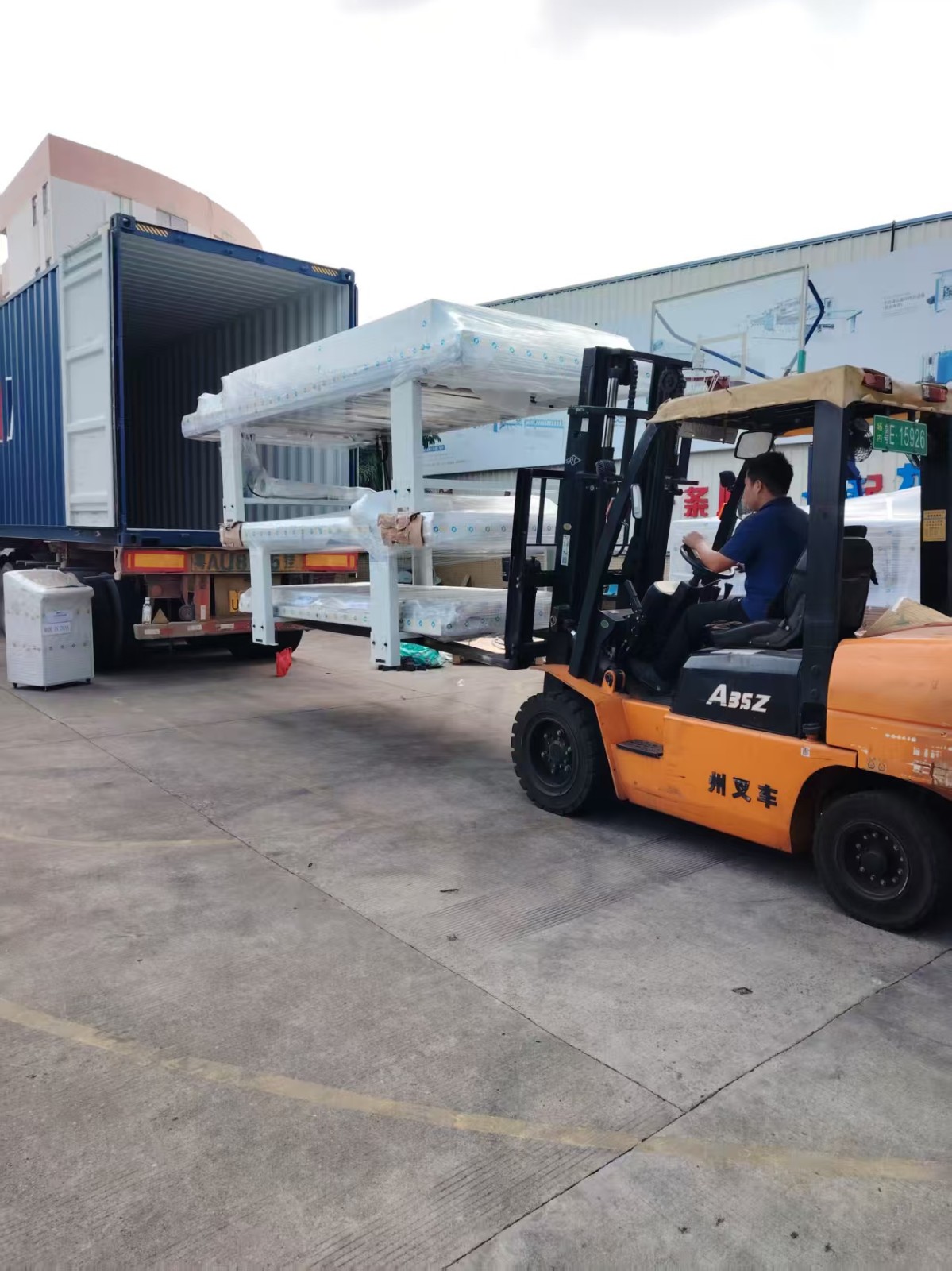
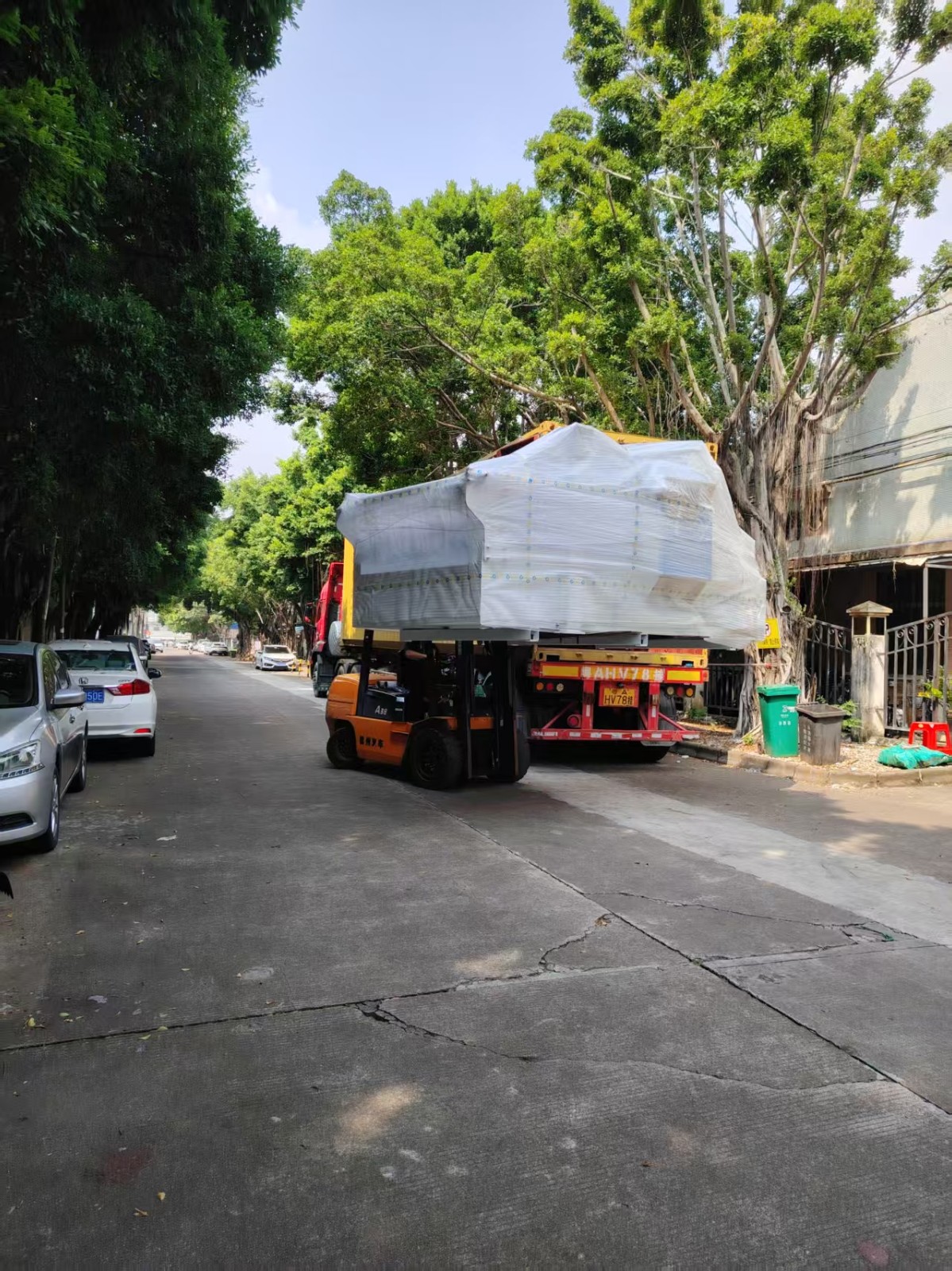
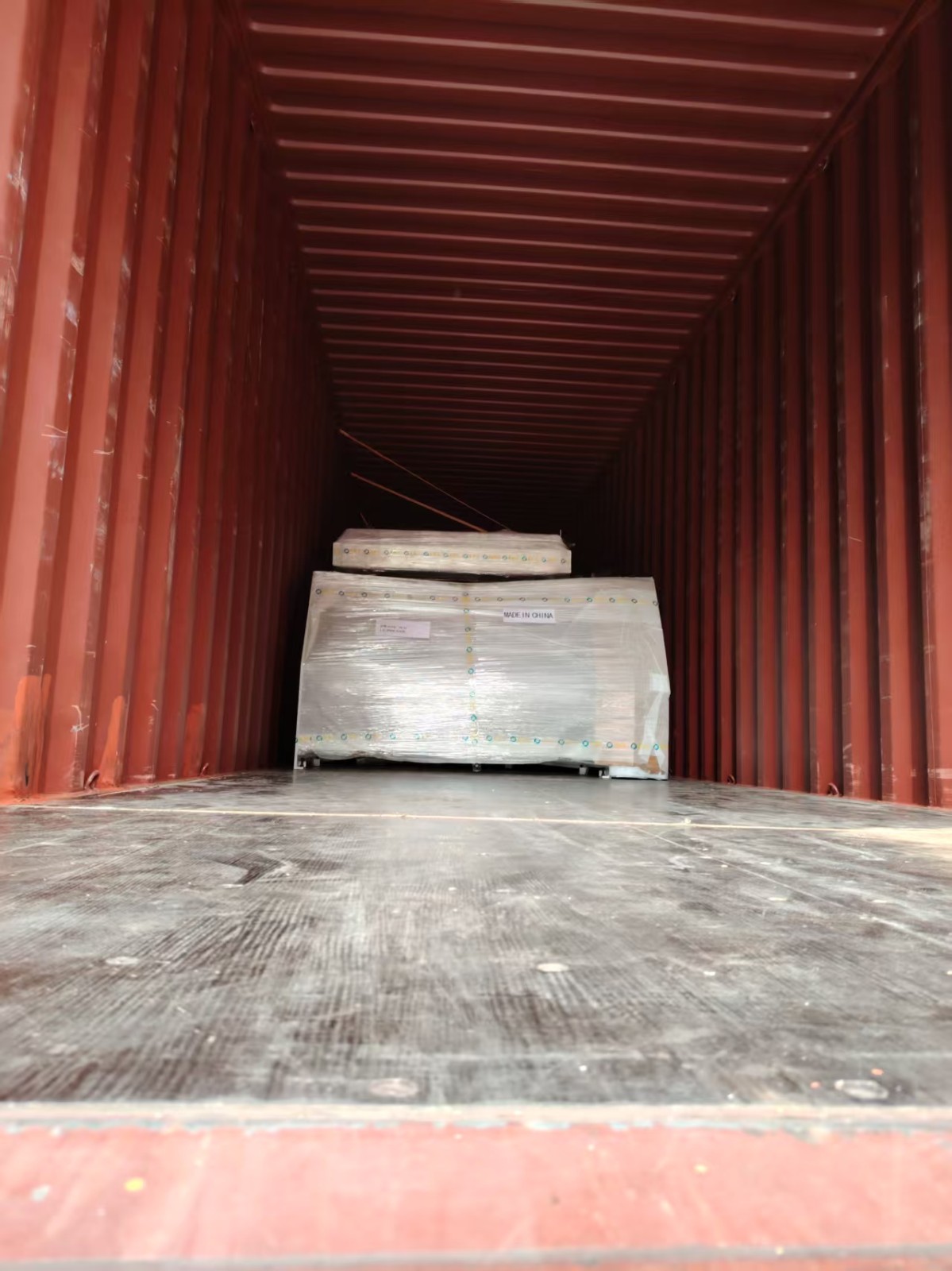
Foshan xingmingda automatic Woodworking machinery Co.,Ltd continues to support international furniture and decorative panel manufacturers with practical woodworking machinery solutions. In this shipment update, a range of woodworking machines is being shipped to Saudi Arabia, while a flat lamination machine is being delivered to Vietnam.
The Saudi shipment includes a 1300 mm large-board PUR wrapping machine, a 300 mm PUR wrapping machine, a slitting machine, an edge banding machine, a sliding table saw, a lock-hole machine, and an air compressor. The Vietnam shipment includes a flat lamination machine.
For overseas buyers, these shipments highlight an important purchasing consideration: selecting woodworking machinery should begin with the products to be manufactured, the materials to be processed, and the required production workflow—not simply the machine price.
1. What Problems Should Buyers Solve Before Purchasing Woodworking Machinery?
Furniture manufacturers and decorative panel factories often face several challenges when upgrading their production equipment.
Inconsistent Surface Finishing
When decorative films, veneers, or other surface materials are applied to boards and profiles, unstable adhesive application, unsuitable pressure, or incorrect operating settings can affect bonding quality and surface appearance.
A suitable PUR wrapping or flat lamination machine should be evaluated according to the substrate, decorative material, adhesive system, product dimensions, and required finish.
Different Product Sizes Require Different Machines
Large decorative panels and narrow profiles do not necessarily require the same wrapping equipment.
A wide-panel wrapping machine is intended for larger surface areas, while a 300 mm wrapping machine is better suited to compatible narrow profiles or smaller components within its specified working range. Buyers should confirm the actual usable processing dimensions with the manufacturer before ordering.
Too Many Separate Production Bottlenecks
Cutting, edge finishing, surface wrapping, slot processing, and material handling all affect the final production output. If one process cannot keep up with the others, the entire workshop may experience delays.
A more effective purchasing strategy is to map the complete production workflow and select equipment that matches each processing stage.
2. How to Choose the Right Machines for Different Production Needs
The Saudi and Vietnam shipments represent different equipment requirements. Understanding each machine's role can help buyers plan their own production lines more effectively.
2.1 1300 mm Large-Board PUR Wrapping Machine
A 1300 mm large-board PUR wrapping machine is designed for suitable wide panels and decorative board applications within its specified working range.
Potential applications include:
Decorative wall panels
Cabinet and wardrobe components
Furniture boards
Interior decoration panels
Other compatible flat or shaped substrates, depending on machine configuration
When evaluating a large-board PUR wrapping machine, buyers should check the maximum working width, minimum and maximum substrate dimensions, adhesive application system, feeding method, pressure arrangement, and compatible surface materials.
The key objective is to achieve consistent wrapping quality across the intended production range.
2.2 300 mm PUR Wrapping Machine
A 300 mm PUR wrapping machine serves a different production requirement. It is intended for compatible narrow profiles or smaller components within the model's working range.
Before purchasing, confirm:
The actual maximum and minimum profile dimensions
Profile shape and substrate material
Compatible decorative films or surface materials
PUR adhesive specifications and application requirements
Feeding stability and pressure adjustment
Changeover requirements for different product profiles
Using equipment matched to the product dimensions can help manufacturers avoid unnecessary machine capacity and improve production planning.
2.3 Slitting Machine
A slitting machine is used to divide compatible roll materials into narrower rolls or specified widths.
For factories processing decorative films and other roll materials, buyers should consider the material type, roll width, roll diameter, thickness range, cutting accuracy, tension control, and finished-roll handling method.
These parameters influence material utilization, downstream feeding stability, and the consistency of the final roll dimensions.
2.4 Edge Banding Machine
An edge banding machine is used to apply edge materials to compatible board edges, supporting the production of furniture panels, cabinet components, and other finished board products.
Key purchasing factors include:
Board thickness and edge dimensions
Compatible edge banding materials
Required processing speed
Glue application and bonding method
Trimming and finishing functions
Compatibility with the factory's existing workflow
Buyers should specify whether they need a basic edge-banding process or a more complete configuration with trimming and other finishing functions.
2.5 Sliding Table Saw
A sliding table saw supports accurate panel sizing before subsequent processing.
When comparing models, check the maximum cutting dimensions, cutting height, blade configuration, fence and positioning system, safety features, and the types of board materials being processed.
Cutting accuracy matters because dimensional variation at the beginning of production can affect later edge banding, wrapping, assembly, and installation.
2.6 Lock-Hole Machine
A lock-hole machine is relevant to manufacturers producing doors, furniture components, and other products that require lock-related openings or slots.
The correct configuration depends on the required hole or slot dimensions, workpiece size, positioning method, processing accuracy, and the hardware specifications used in the finished product.
Providing drawings or representative samples before ordering helps the supplier assess whether the proposed machine configuration meets the application requirements.
2.7 Air Compressor
An air compressor can supply compressed air to pneumatic components when required by the selected machines.
Buyers should calculate the total air consumption of the equipment operating simultaneously and confirm the required working pressure, air delivery capacity, air quality, and duty cycle.
Selecting a compressor based only on motor power may result in insufficient air supply or unnecessary energy consumption. The final specification should be based on the actual pneumatic requirements of the complete production setup.
2.8 Flat Lamination Machine for Vietnam
The flat lamination machine shipped to Vietnam serves a different processing purpose from the Saudi wrapping equipment.
Flat lamination machines are used to apply suitable surface materials to compatible flat substrates. Depending on the machine configuration, applications may include furniture panels, cabinet boards, wall panels, and other decorative board products.
Before purchasing a flat lamination machine, confirm the following:
Maximum and minimum board width and length
Substrate material and thickness range
Decorative film or surface material
Adhesive type and application method
Required production speed
Feeding, pressing, and cutting configuration, where applicable
Available workshop space and downstream equipment
The correct setup depends on the materials, product specifications, and production process. Buyers should request a configuration matched to their actual application rather than relying on the machine name alone.
3. What Technical Parameters Should Buyers Confirm?
A machine's model name or maximum width is not enough to determine whether it will work for a particular factory. Technical confirmation should cover the entire production requirement.
| Equipment | Key parameters to confirm | Why they matter |
|---|---|---|
| 1300 mm PUR wrapping machine | Working width, substrate dimensions, adhesive system, feeding and pressure configuration | Determines suitability for large panels and required wrapping quality |
| 300 mm PUR wrapping machine | Usable profile dimensions, profile shape, adhesive compatibility, feeding method | Helps match the machine to narrow-profile production |
| Slitting machine | Material width and thickness, roll dimensions, cutting accuracy, tension control | Affects finished-roll consistency and material utilization |
| Edge banding machine | Board thickness, edge material, speed, glue system, finishing functions | Determines compatibility with the required edge-finishing process |
| Sliding table saw | Cutting dimensions, cutting height, blade configuration, positioning and safety features | Affects panel sizing accuracy and operator safety |
| Lock-hole machine | Hole dimensions, workpiece size, positioning method, required operations | Helps ensure compatibility with product drawings and hardware |
| Air compressor | Working pressure, air delivery, total consumption, duty cycle | Helps maintain a stable air supply for pneumatic equipment |
| Flat lamination machine | Board dimensions, substrate, surface material, adhesive, speed and feeding method | Determines suitability for flat-panel lamination |
Important: The final technical specifications should be confirmed against the selected model and the buyer's actual production requirements. The table above is a purchasing checklist, not a statement that every shipped machine includes all listed features.
4. Application Scenarios: How Should Equipment Match the Production Workflow?
A useful way to evaluate woodworking machinery is to work backward from the finished product.
Scenario A: Large Decorative Board Production
A factory manufacturing large decorative panels may need a process involving panel cutting, surface wrapping or lamination, edge finishing, and further assembly.
In this scenario, the 1300 mm PUR wrapping machine may be relevant when the required panel dimensions and materials fall within its specifications. A sliding table saw and edge banding machine can support other processing stages, depending on the factory's workflow.
Scenario B: Narrow Profile and Trim Production
A factory producing compatible decorative profiles or narrow components may consider a 300 mm PUR wrapping machine.
The decision should be based on the profile dimensions, shape, surface material, adhesive requirements, and expected product mix.
Scenario C: Film Roll Preparation
Where decorative materials are supplied in rolls, a slitting machine can help prepare material to the required widths before downstream processing.
The roll specifications and cutting tolerances should be confirmed before the machine is configured.
Scenario D: Furniture Door and Hardware Processing
For doors and furniture components requiring lock-related openings, a lock-hole machine can support the relevant machining operation. Accurate panel sizing and appropriate edge finishing may also be needed to complete the production workflow.
Scenario E: Flat Panel Lamination in Vietnam
For the Vietnam customer, the flat lamination machine should be selected according to the substrate, surface material, adhesive, panel dimensions, and expected production volume.
The most important consideration is whether the equipment can consistently process the actual products—not simply whether it can handle a nominal board width.
5. How Can Buyers Make a Better Woodworking Machinery Purchasing Decision?
Before placing an order, overseas buyers should evaluate five areas.
5.1 Define the Finished Product
Provide product drawings, dimensions, photographs, and representative samples where possible. Specify the materials and the required finished appearance.
This helps the supplier determine whether a wrapping machine, flat lamination machine, slitting machine, or another type of equipment is appropriate.
5.2 Match the Machine to Actual Production Capacity
Estimate the required daily or monthly output, operating hours, product mix, and expected future demand.
Maximum machine speed alone does not guarantee actual output. Feeding, loading, unloading, product changeovers, material preparation, and downstream processing can all affect production capacity.
5.3 Verify Adhesive and Surface Material Compatibility
For PUR wrapping or lamination applications, confirm the adhesive manufacturer's processing recommendations and the machine's compatible adhesive system.
Also check the substrate condition, surface material, operating temperature requirements, bonding process, and any necessary curing or handling conditions.
A material trial using the buyer's actual substrate and decorative film is preferable when the application requires a specific surface finish or bonding performance.
5.4 Review Installation and Operating Requirements
Before shipment, clarify the machine footprint, electrical requirements, compressed-air requirements, operator training, installation method, and maintenance access.
For international orders, confirm the applicable voltage and frequency, required site utilities, spare parts, and the scope of remote or on-site technical support.
5.5 Compare Total Cost, Not Just Purchase Price
A suitable comparison should include the machine price, shipping and insurance, import duties and taxes where applicable, installation, operator training, consumables, maintenance, spare parts, and expected production efficiency.
The best option is the one that meets the production requirement with a realistic total cost of ownership.
6. How Does Foshan Xingmingda Support Overseas Machinery Buyers?
Foshan xingmingda automatic Woodworking machinery Co.,Ltd was established in 2004 and focuses on the design and production of woodworking machinery, including wrapping machines, edge banding machines, slotting machines, and PUR lamination machines. The company's official website presents these products for furniture and decorative panel manufacturing applications. <Cite refs={["turn958298search1","turn958298search2"]}/>
For international buyers, the purchasing process should include more than choosing a model. A practical equipment proposal should clarify:
The required machine configuration
The dimensions and materials of the products to be processed
The intended production workflow
The applicable technical specifications
Factory utility and installation requirements
Packaging and export arrangements
Spare parts, maintenance, and technical support
For multi-machine orders, buyers should also confirm how the machines will fit into the overall workshop layout and whether their production capacities are appropriately balanced.
For individual machines, such as the flat lamination machine shipped to Vietnam, the same principle applies: the configuration should be based on the customer's specific product and production requirements.
By clarifying these details before manufacturing and shipment, buyers can reduce the risk of ordering equipment that does not match their actual application.
7. From Equipment Selection to Delivery: A Practical Inquiry Process
If you are planning to purchase woodworking machinery for Saudi Arabia, Vietnam, or another international market, prepare the following information before requesting a quotation.
Product details: Share product drawings, dimensions, materials, and representative photos.
Production target: State the required output, operating hours, and product range.
Process requirements: Identify whether you need wrapping, flat lamination, slitting, edge banding, cutting, or lock-hole processing.
Technical conditions: Confirm the available power supply, compressed-air capacity, and workshop space.
Project destination: Provide the destination country and city so shipping and delivery arrangements can be discussed.
Service requirements: Explain whether you need installation guidance, operator training, spare parts, or other technical support.
These details help the supplier assess the application and recommend a more appropriate equipment configuration.
Frequently Asked Questions
Q1: What is the difference between a 1300 mm PUR wrapping machine and a 300 mm PUR wrapping machine?
The main difference is the intended working range and application. A 1300 mm model is intended for compatible wider panels, while a 300 mm model is intended for compatible narrower profiles or components. Buyers should confirm the actual usable dimensions and profile requirements for the selected model.
Q2: What should I check before purchasing a PUR wrapping machine?
Check the substrate, product dimensions, profile shape, decorative film, adhesive compatibility, working speed, feeding system, pressure configuration, and required surface finish. A trial with representative materials can help verify suitability.
Q3: Can a woodworking machinery order include several different machines?
Yes. A buyer may request multiple machines for different production stages. The equipment list should be based on the intended workflow, processing requirements, workshop layout, and required production capacity.
Q4: What information is needed to select a flat lamination machine?
The key information includes board dimensions, substrate material, thickness range, surface material, adhesive type, target output, and the required feeding and cutting configuration.
Q5: Can Foshan Xingmingda provide a customized equipment proposal?
Buyers can contact Foshan xingmingda automatic Woodworking machinery Co.,Ltd with product drawings, samples, technical requirements, and production targets to discuss a suitable machine configuration.
Conclusion: Choose Woodworking Machinery Around Your Production Needs
The Saudi shipment of a 1300 mm large-board PUR wrapping machine, a 300 mm PUR wrapping machine, a slitting machine, an edge banding machine, a sliding table saw, a lock-hole machine, and an air compressor—and the Vietnam shipment of a flat lamination machine—illustrate different equipment requirements across furniture and decorative panel manufacturing.
For buyers, the most effective purchasing approach is to define the finished product, verify the technical parameters, confirm material compatibility, evaluate the complete production workflow, and plan installation and after-sales support before placing an order.
Foshan xingmingda automatic Woodworking machinery Co.,Ltd welcomes inquiries from furniture factories, panel manufacturers, profile processors, and international machinery distributors seeking equipment for their production projects.
Contact us to discuss your product dimensions, materials, output targets, and machinery requirements.
Email: pattypeng@purmachinefactory.com
Website: https://www.purmachinefactory.com/
Share your production requirements with our team to discuss a suitable woodworking machinery solution for your factory.